Santa Maria Novella-Florence

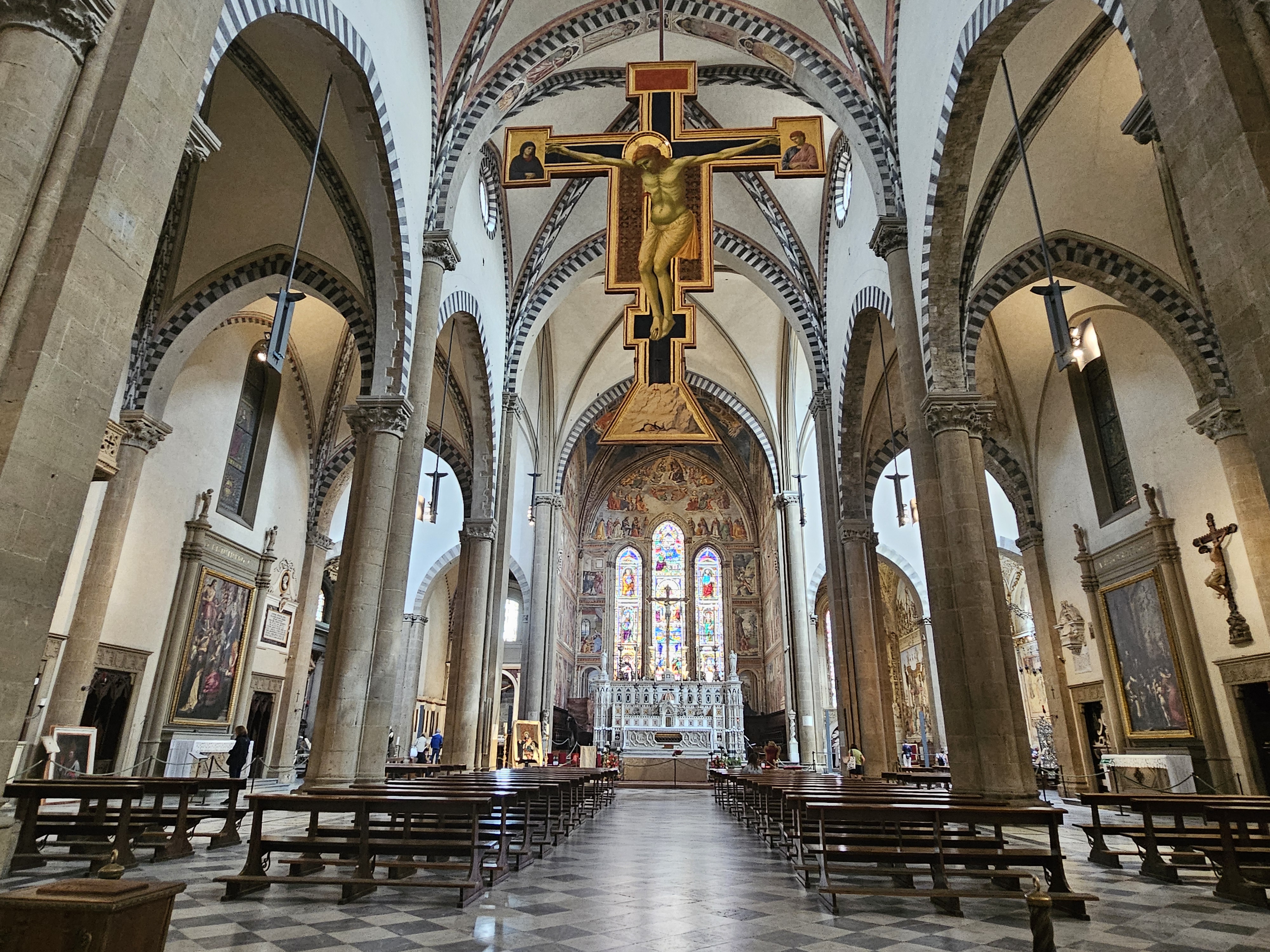
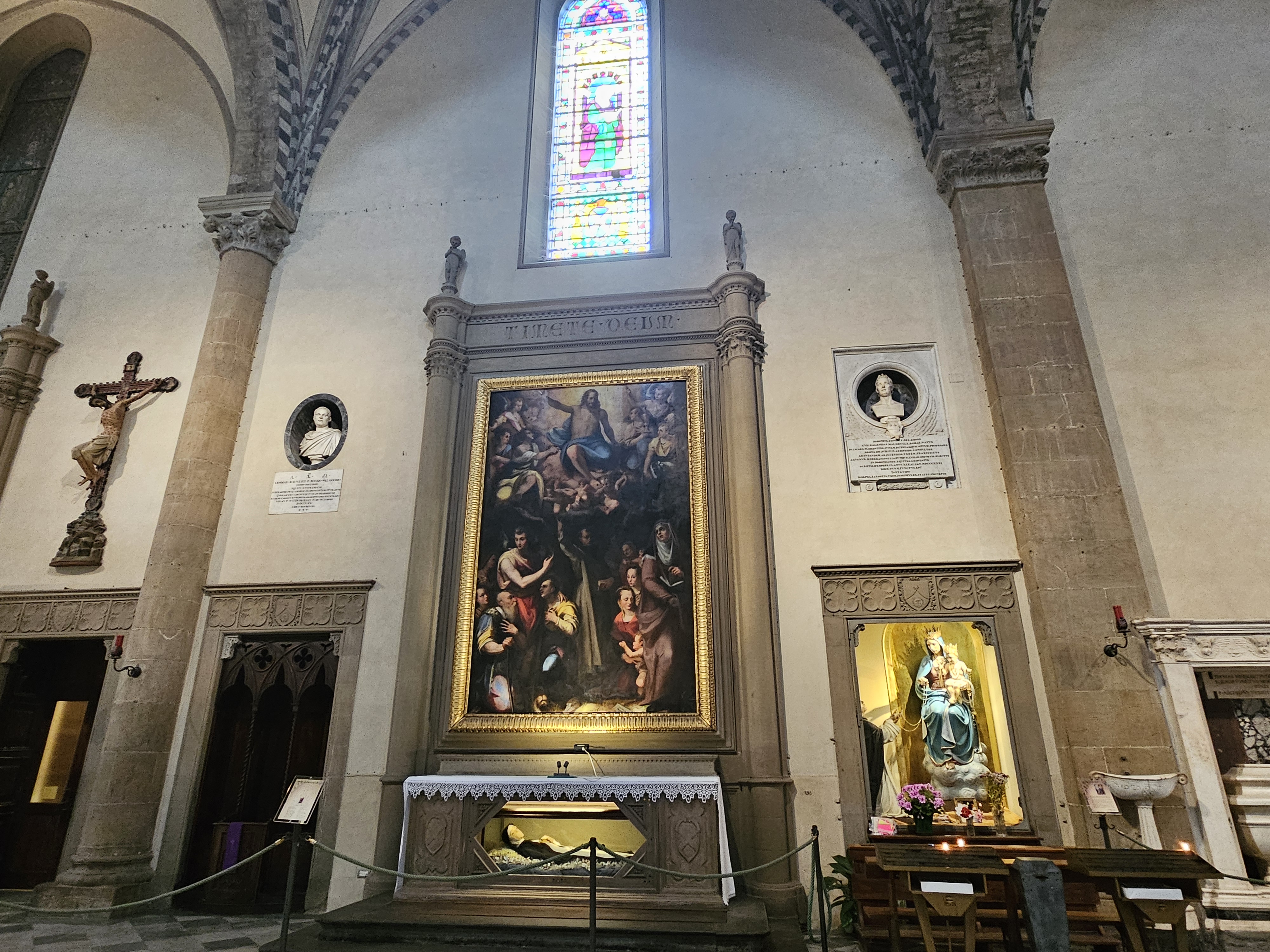
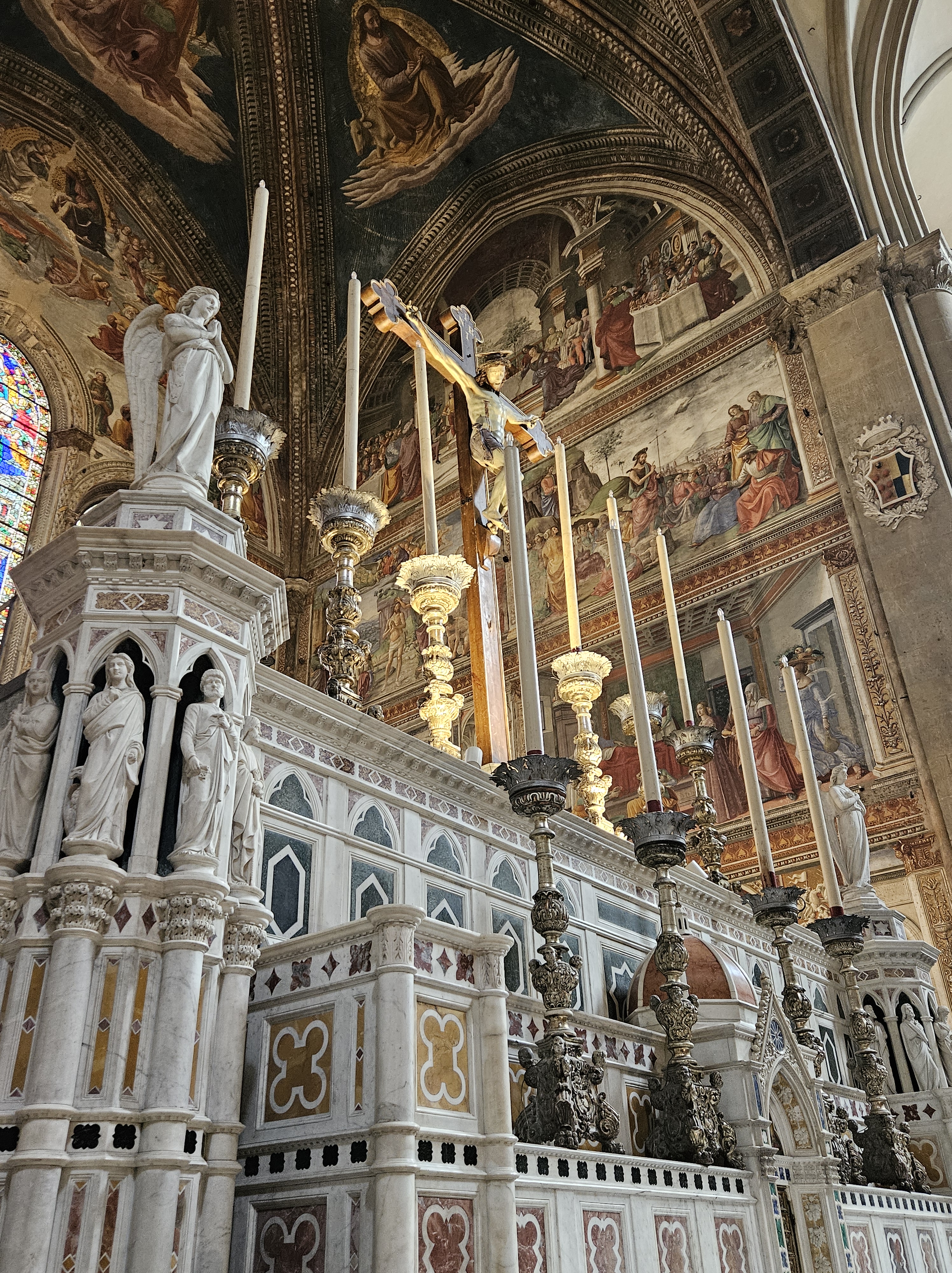
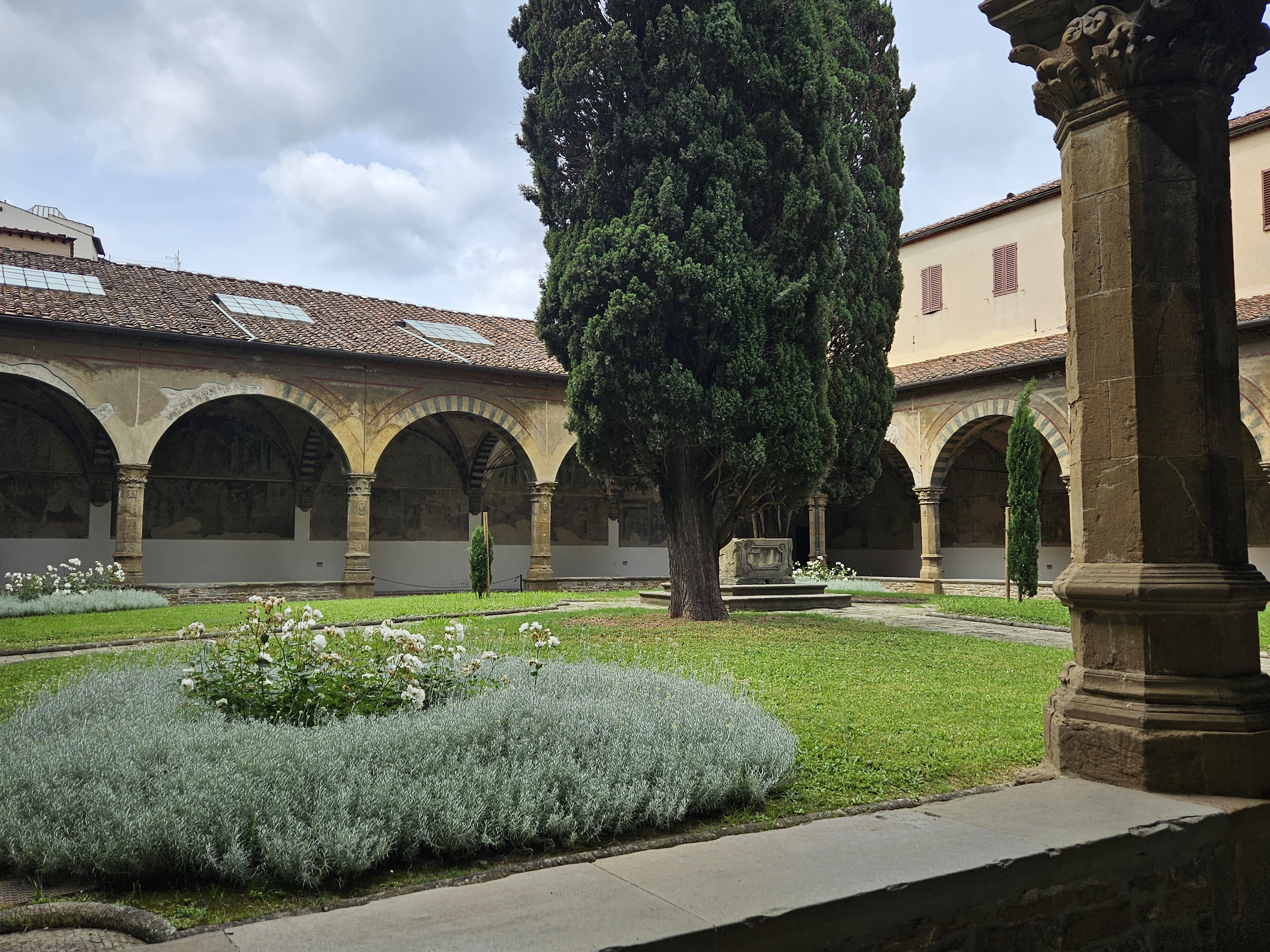
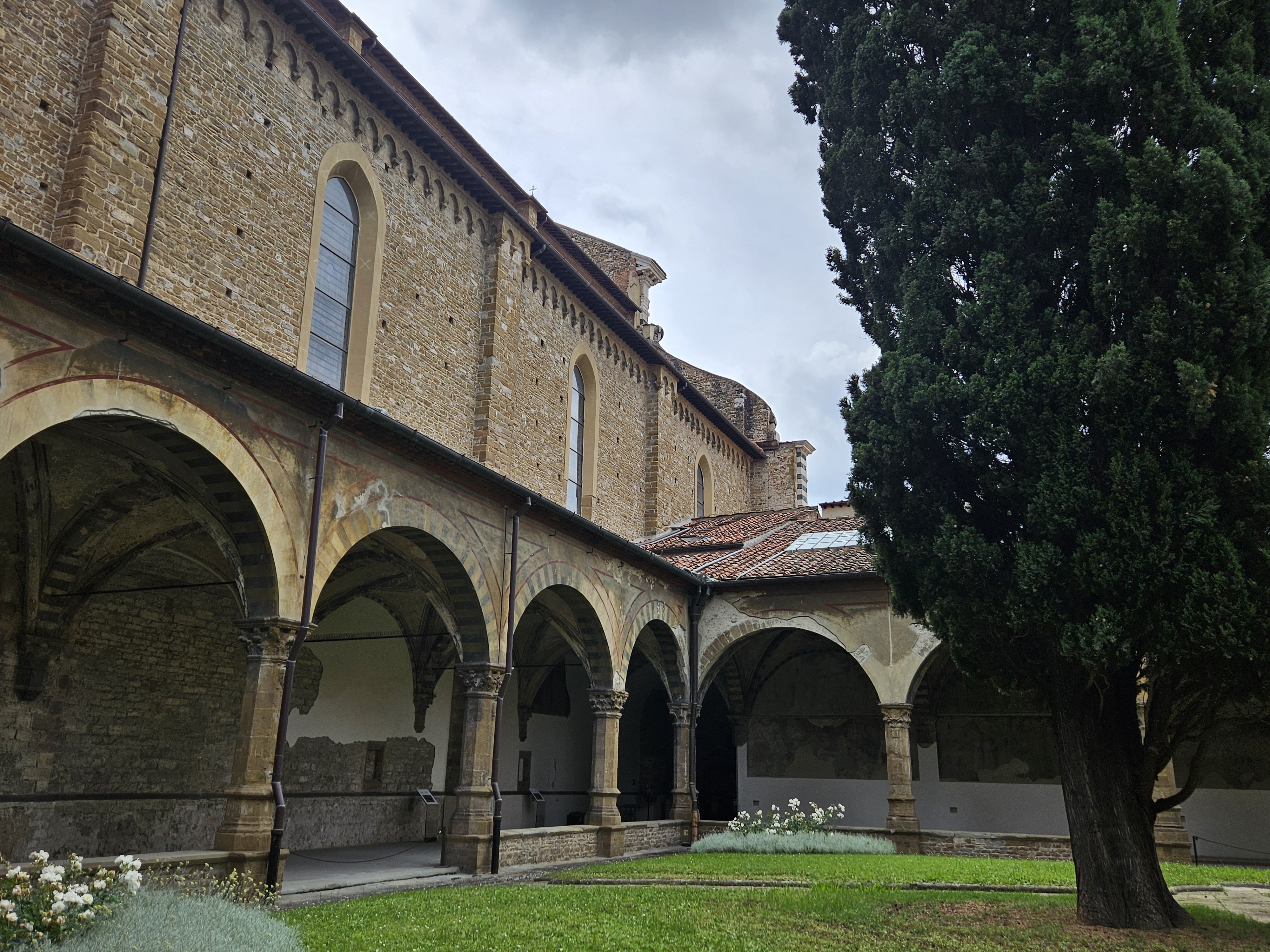
While it might not make your agenda if you only have a few days in Florence, if you are lucky enough to have a week or two, then Santa Maria Novella is worth your time to check out. You can visit the church in its entirety, including the frescoed chapels, the sacristy and Avelli cemetery. Highlights include the Cloister of the Dead, the Green Cloister, the Spanish Chapel, the Ubriachi Chapel and the Refectory. Admire the Masaccio Trinity, Giotto’s crucifix, Brunelleschi’s crucifix, Cappella Tornabuoni (painted by Ghirlandaio), and frescoes by Filippino Lippi, Nardo di Cione, Piero da Miniato and Botticelli. There is gorgeous art everywhere you look!
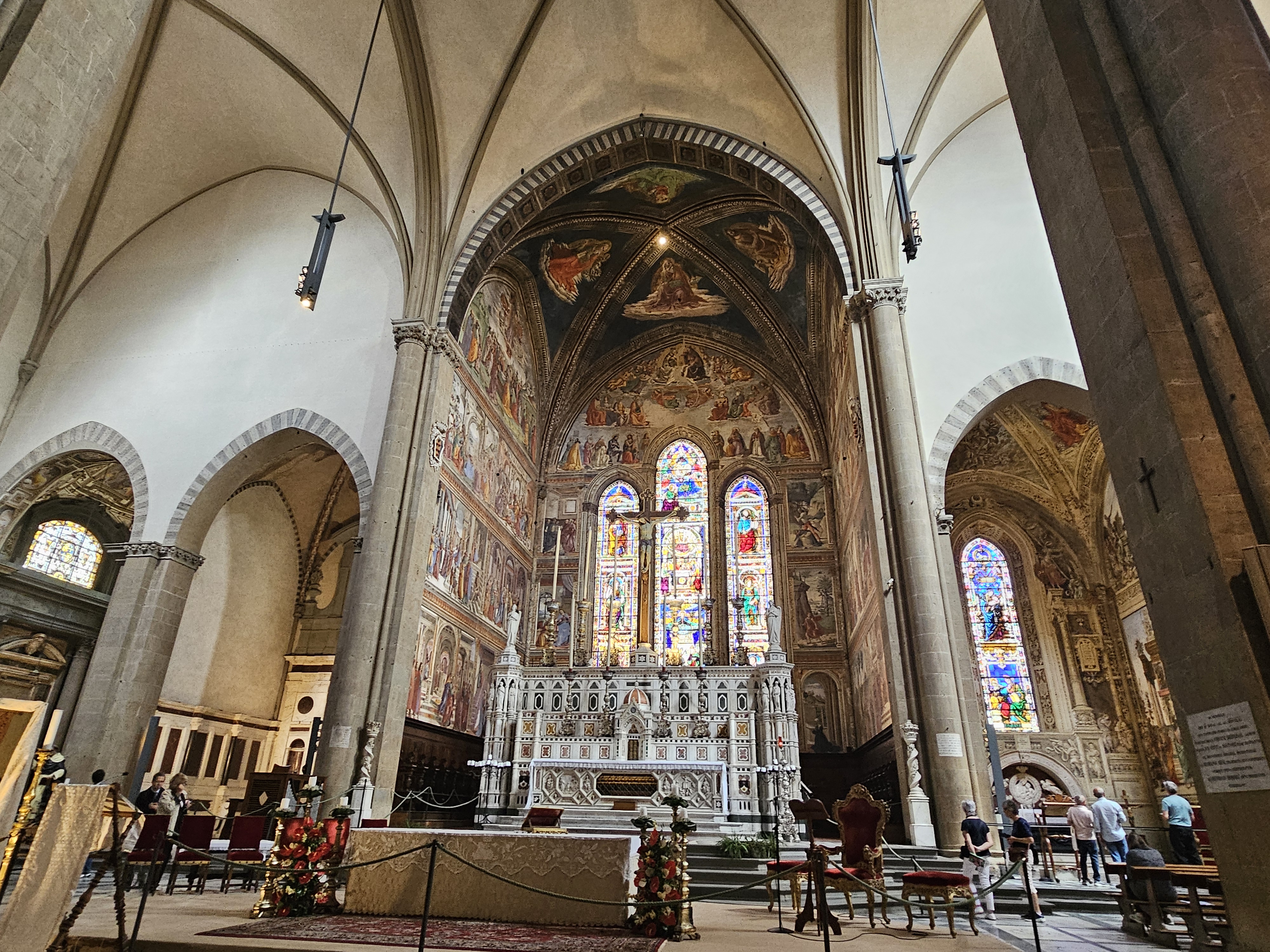
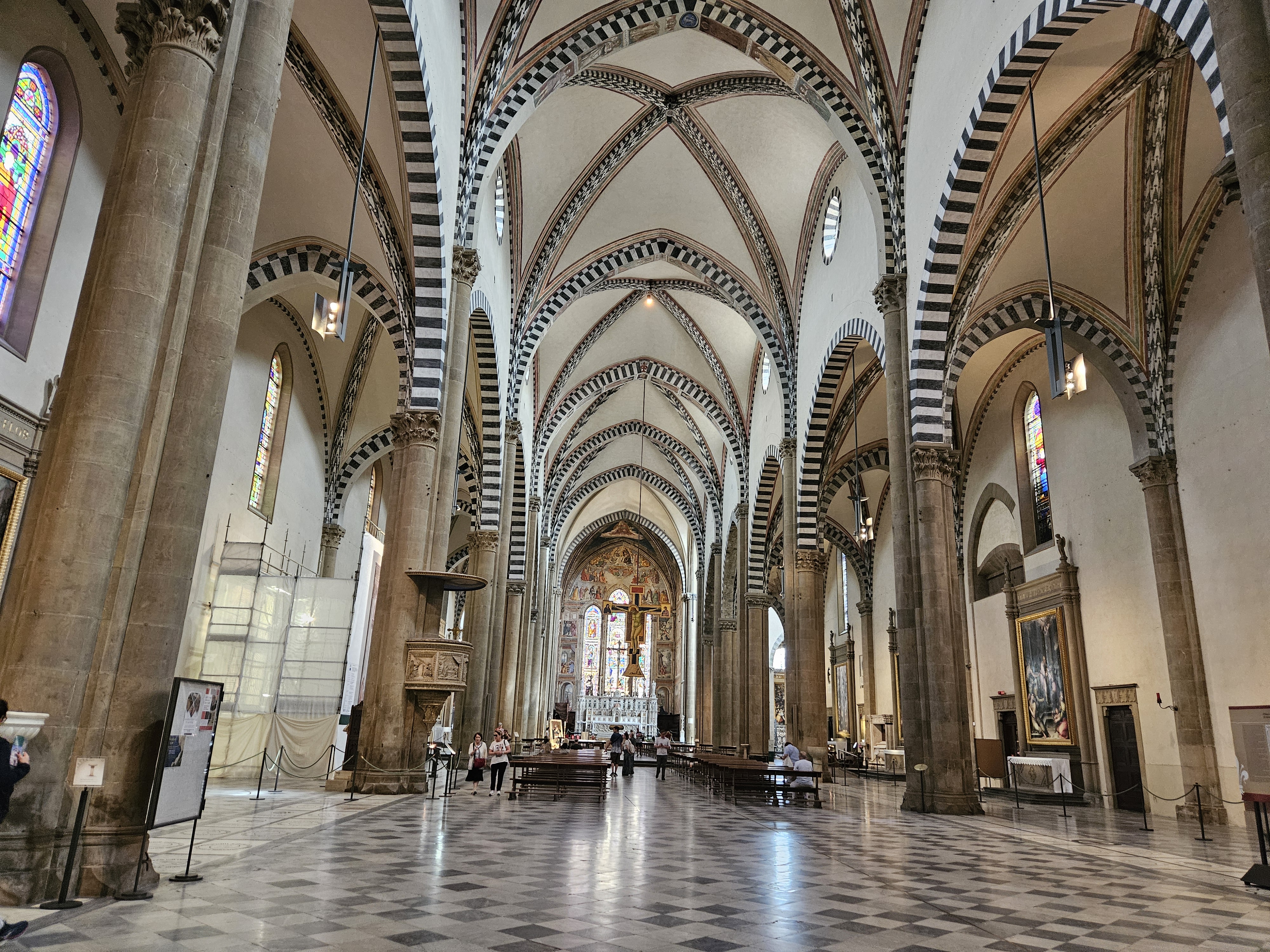
Completed around 1420, like many other Florence historic institutions, Santa Maria Novella suffered extreme damage in the 1966 floods. While most of the interior was restored, there are outdoor frescoes in the burial cloisters that still show the damage. While no one seriously famous is buried here, there are burial monuments everywhere for wealthy and important Florentines of the past. 
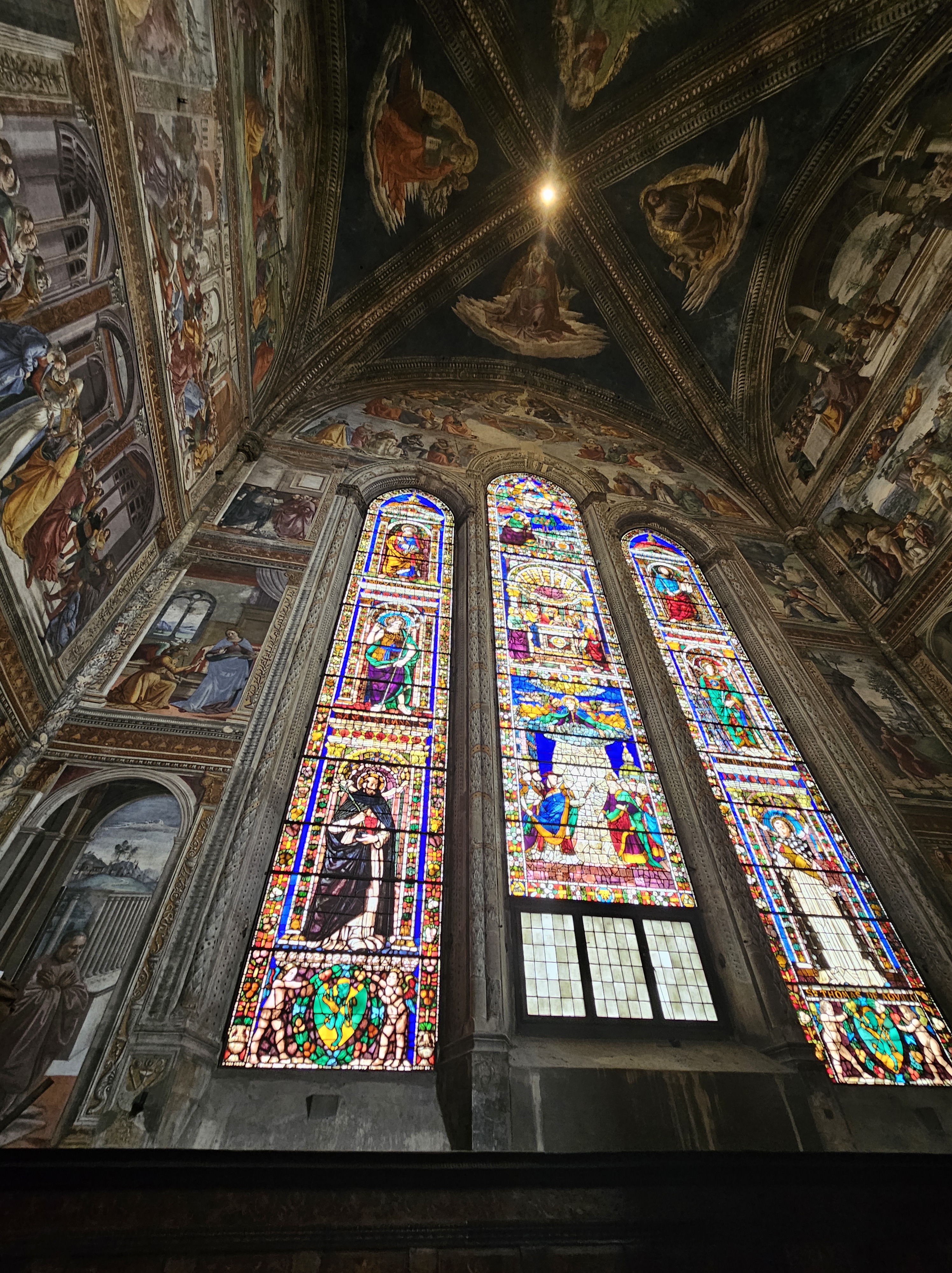
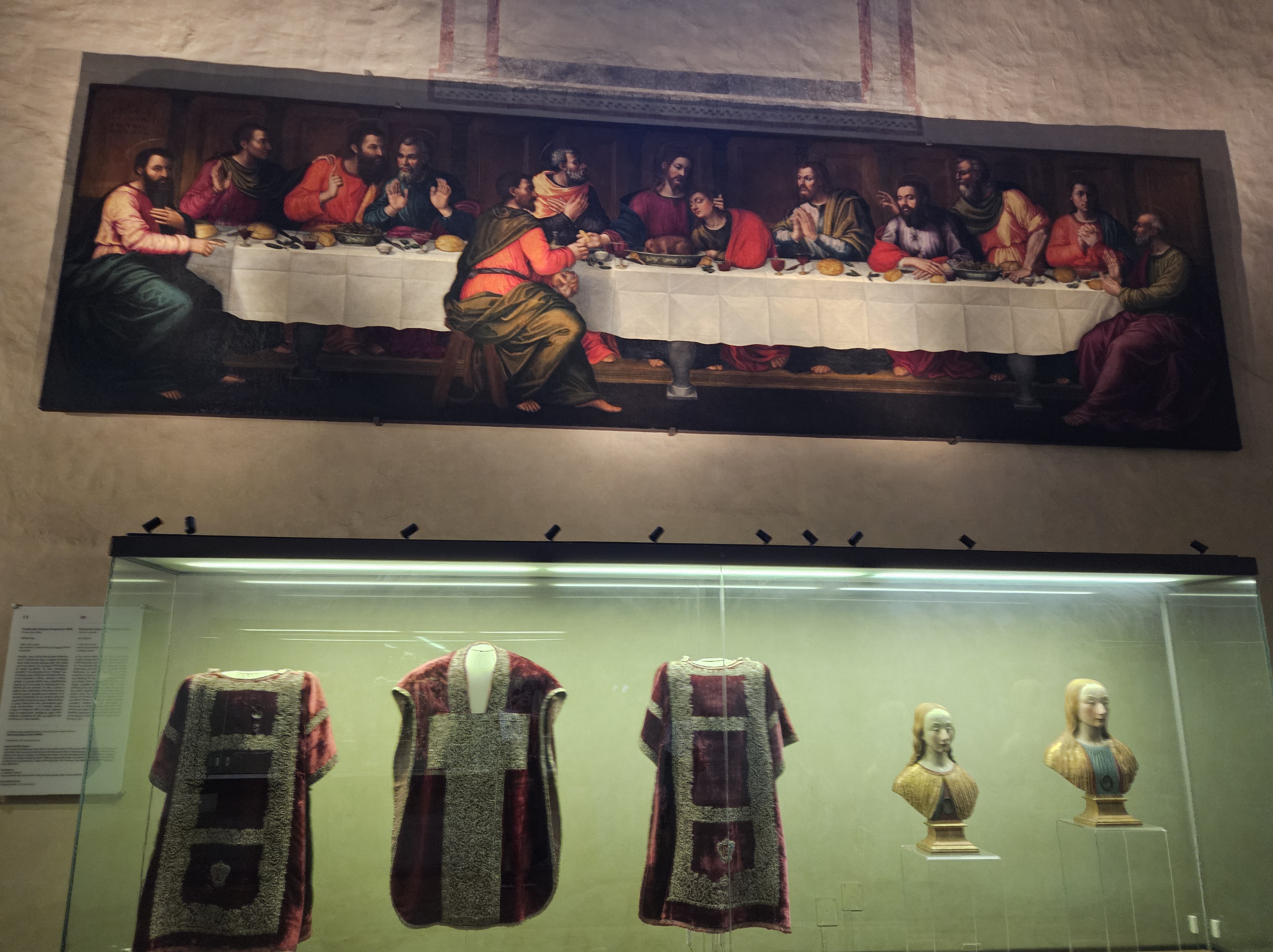
In the museum, one art piece, The Last Supper, really stood out to me for it’s vibrant colors and the artist’s story. I saw the famous fresco by Leonardo da Vinci in Milan and this version is totally different. As you go through all the cathedrals and museums in Florence, it’s no secret that the Italian Renaissance was THE influential period in art history, but it was totally dominated by male artists like da Vinci, Michaelangelo and Raphael. Any woman??  Any??? Well, Sister Plautilla Nelli (1524-1588) a Dominican nun not only painted her version of famous religious scenes like The Last Supper in the convent, but she founded an all-woman art workshop within her convent and taught other nuns how to paint. They generated income and took on art commission work by wealthy private citizens in Florence. In the 1500s!

VISIT

 It’s only 7.5 euros to wander through and soak in the basilica, the cloisters, the museum-really, it just kept going on and on. Plan a few hours to enjoy it all-they offer free guided tours by locals and audio guides too. Make sure to check the online site How can I visit Santa Maria Novella? | Santa Maria Novella (smn.it) for current visiting hours.

Florence’s Jewish Synagogue and Museum

We are always on the lookout for hidden gems that are off the beaten path when we travel. In Florence, we took the time to tour the Synagogue and Jewish Museum, which may not be on all tourists’ agendas, but we really enjoyed our visit there. Be sure to save time to eat at one of the nearby kosher restaurants too!

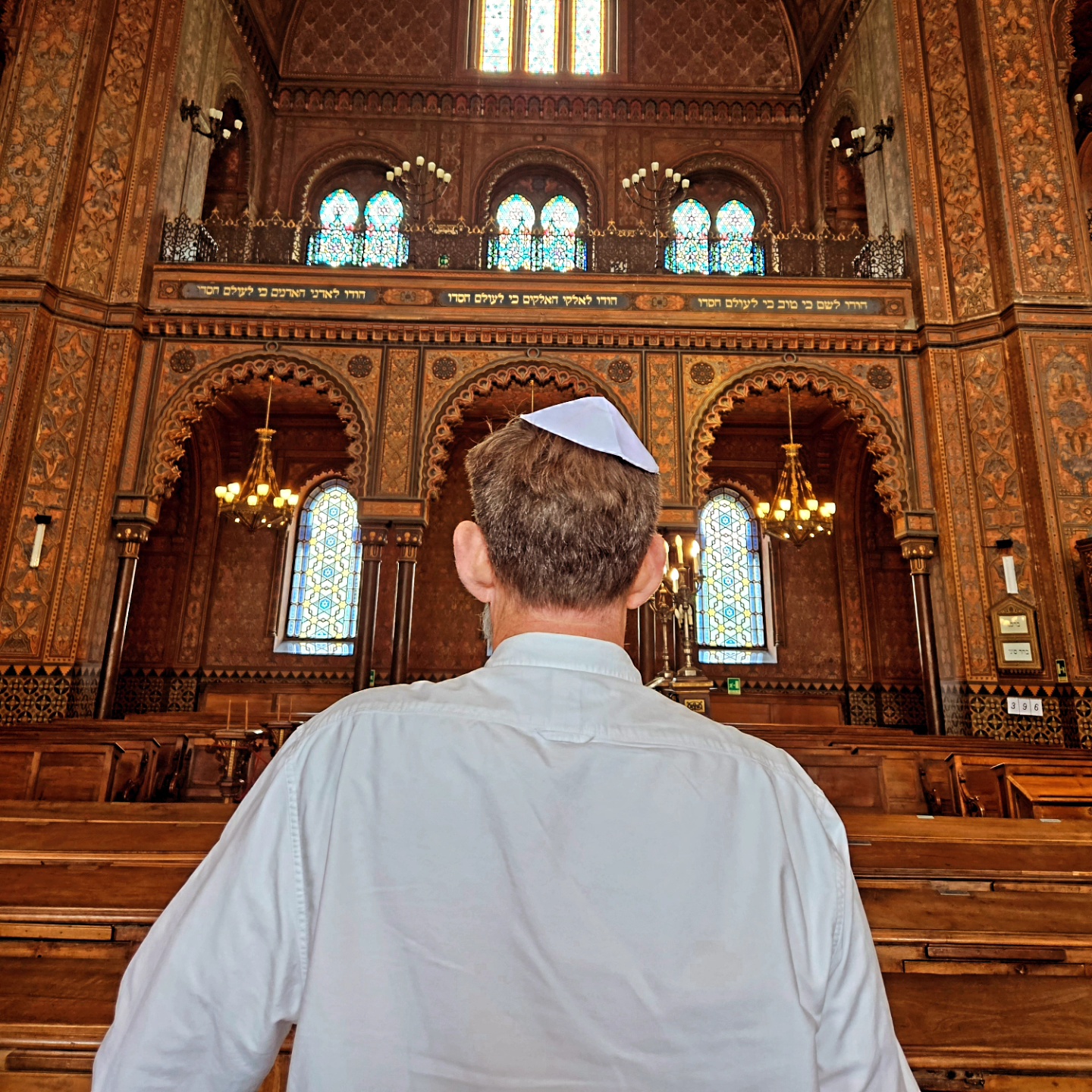
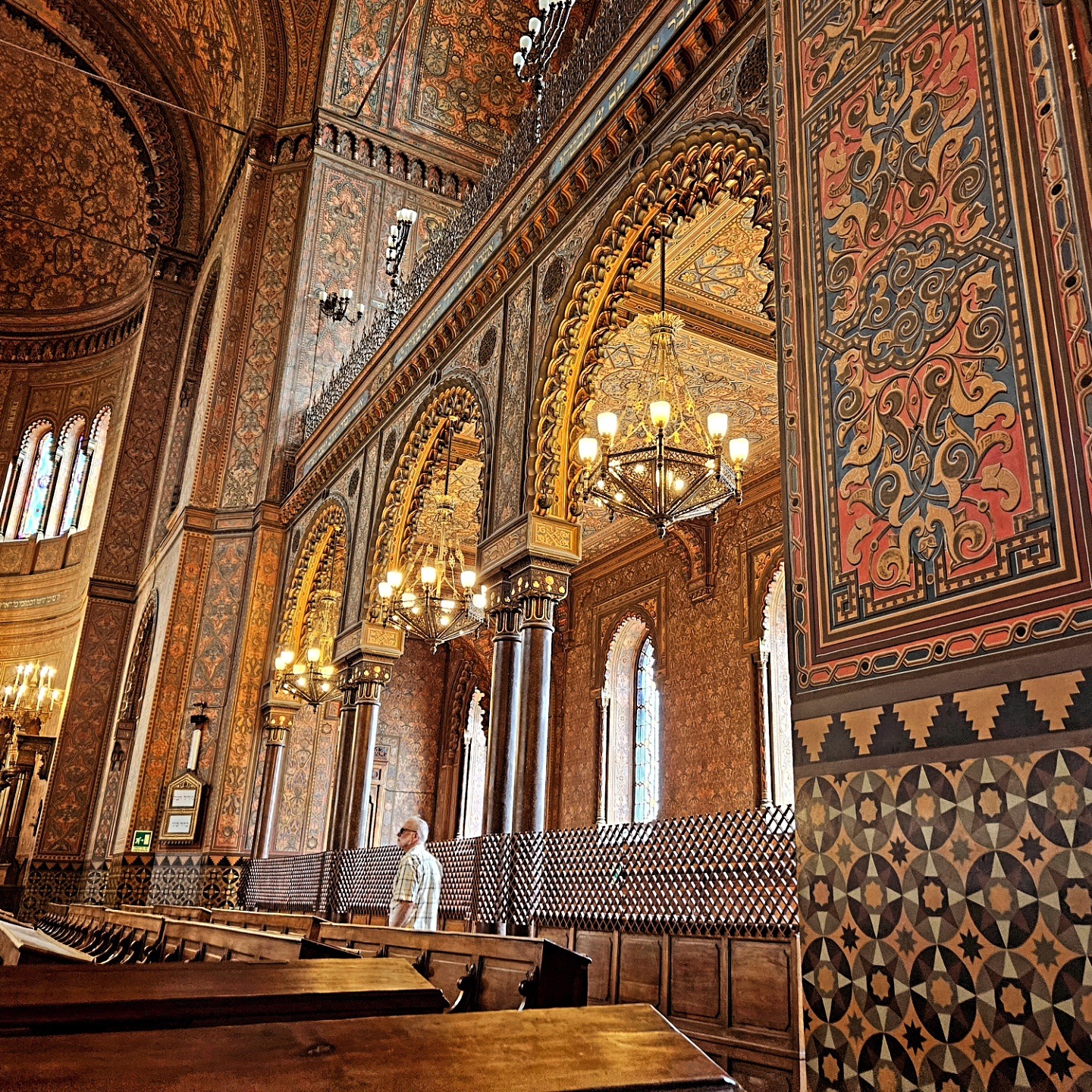
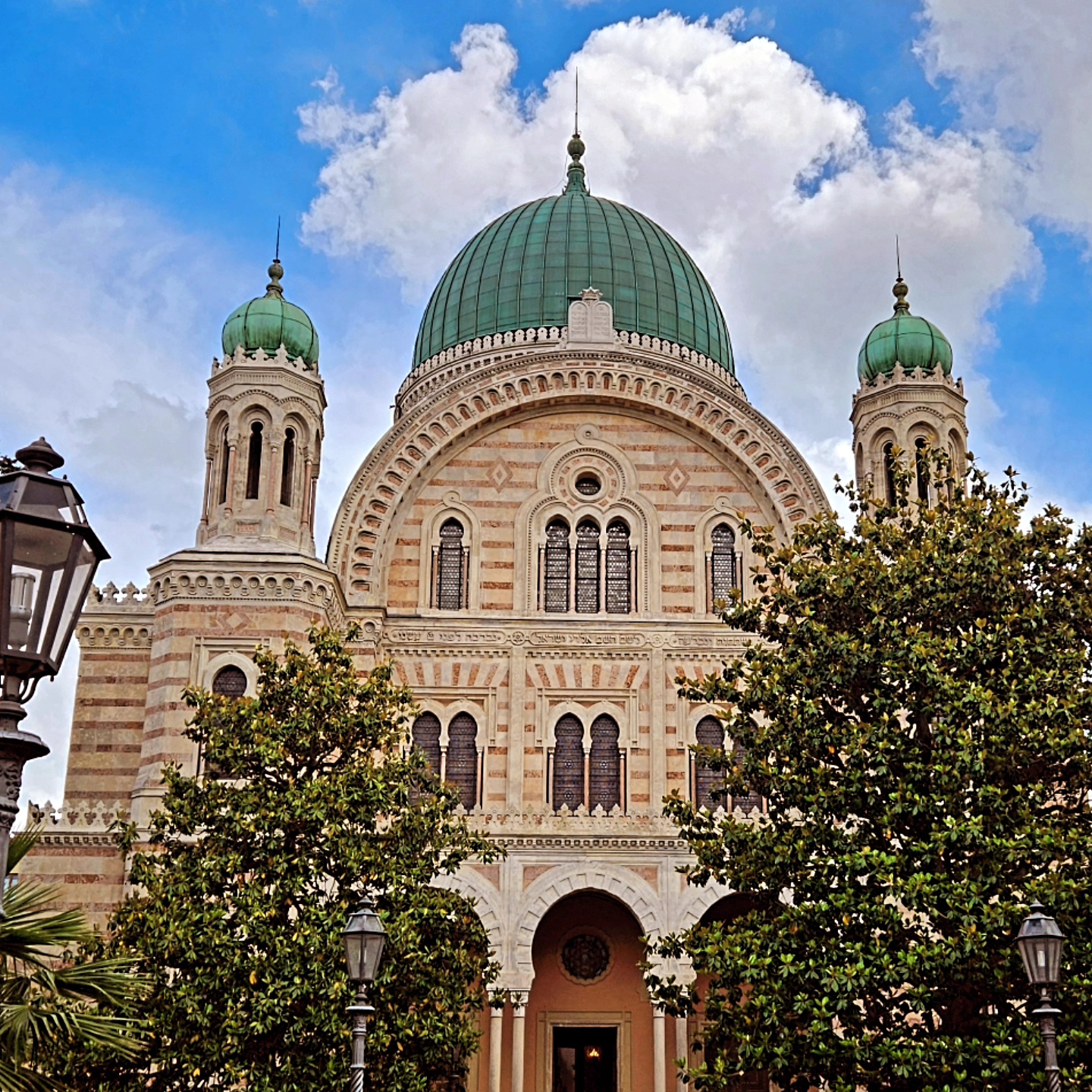
Opened in 1882, this beautiful Synagogue is the heart of Florence’s Jewish community. Surrounded by a lush garden, the synagogue’s architectural details not to be missed include exotic style with Moorish, Romanesque and Byzantine elements combined. We got the audio tour and learned all about the history behind the building. The museum is a superb collection of historical items of Jewish art. Allow about two hours at least to take it all in.

The impressive exterior with white travertine and pink limestone, together with the central dome and the copper-clad side towers, is an iconic Florence landmark that is the heart and soul of the city’s Jewish life. Whatever religion you follow or none at all, it is always interesting to experience all sides of the cities you visit. Enjoy the journey!

VISIT

Check online before you go as the opening days/time change with the seasons: Synagogue and Jewish Museum in Florence | Jewish Florence. We were given a locker to secure our bags before we entered and were allowed to bring in our phones so we could take pictures (no flash). They ask for men to wear the headcover provided. To be respectful, please adhere.

We have eaten at Ba Ghetta in Rome known for their delicacy, the fried artichoke. Sadly, they weren’t open yet when we were there (restaurants usually close between lunch and dinner that starts around 8 pm). Luckily, Ruth’s cafe across the street was open and served us a tasty fried artichoke and cheese zucchini fritters. Neither of these fantastic foods are available back home in Idaho. Enjoy the journey!

Fiesole-Day Trip from Florence

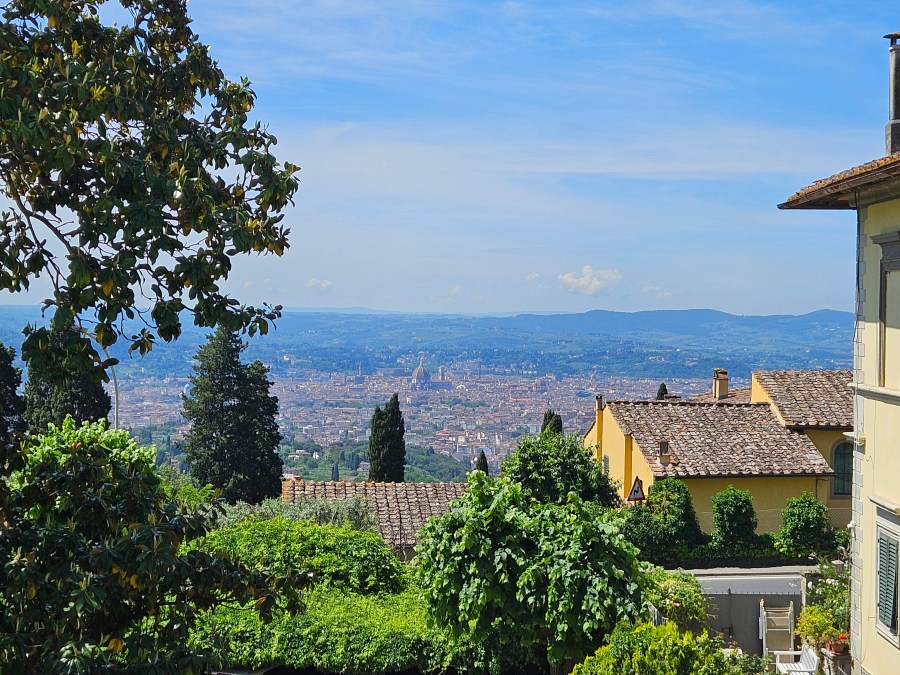
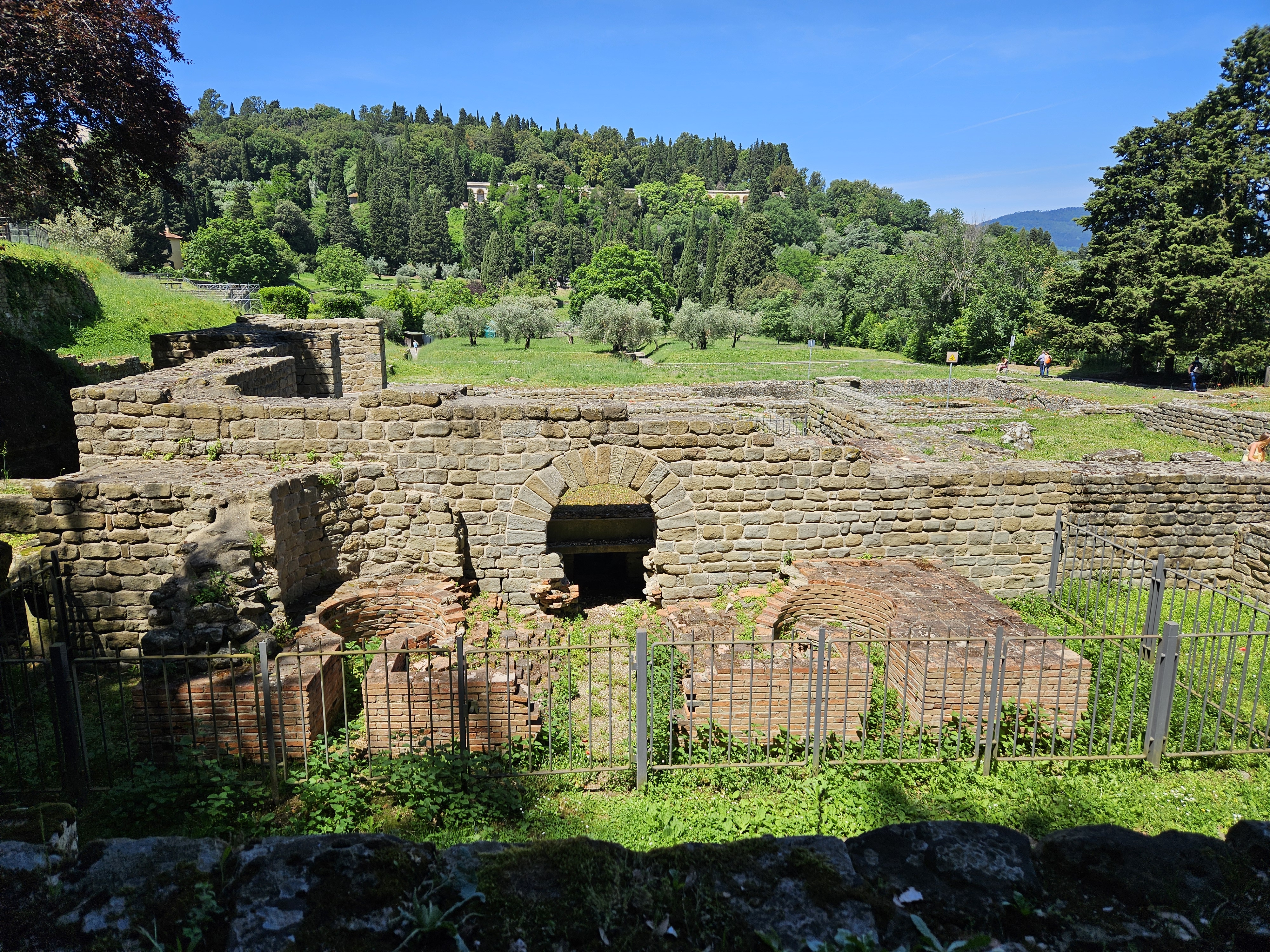
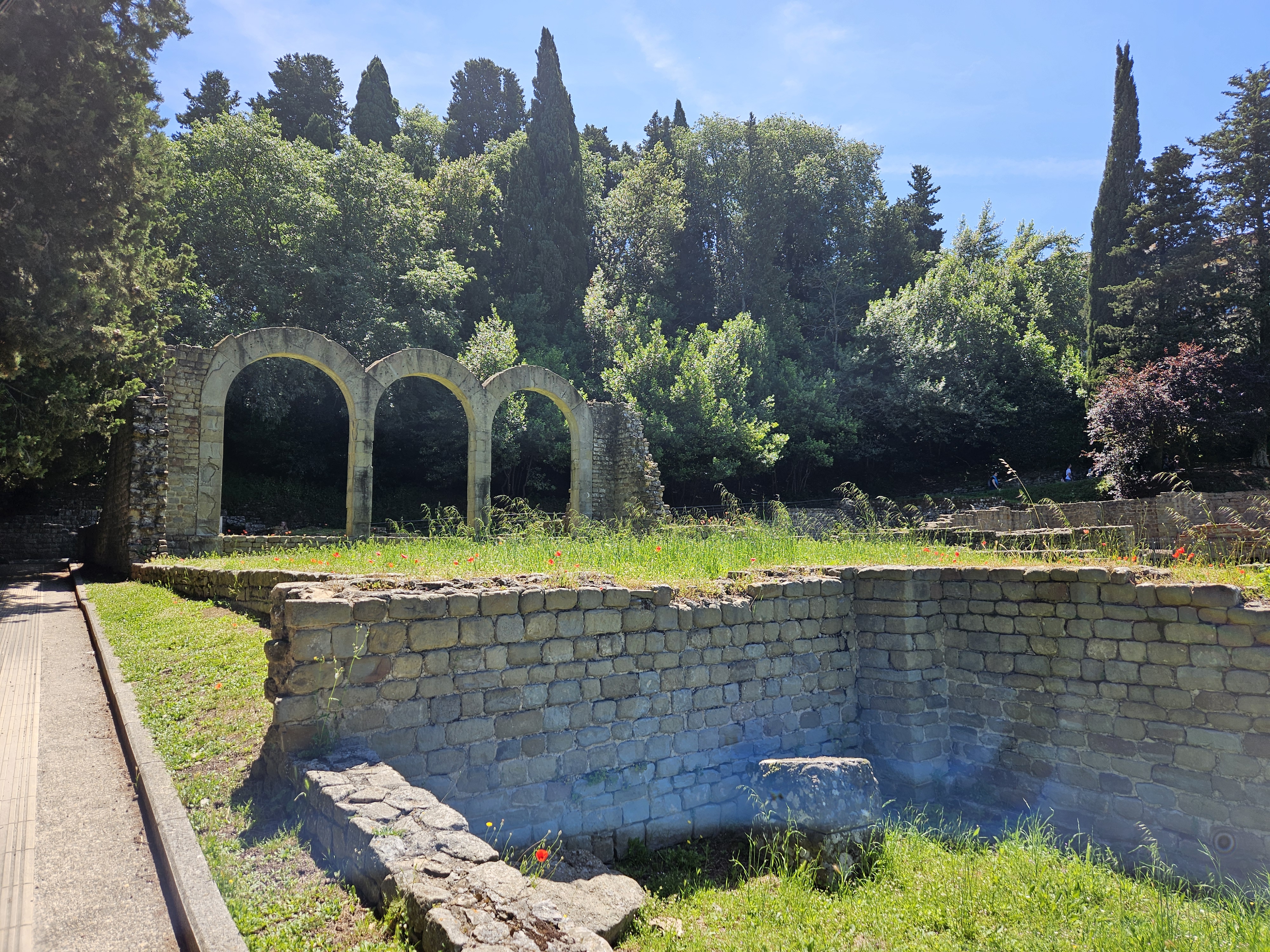
A visit to the mystical village of Fiesole, just three miles up the hill overlooking the Arno valley, is the perfect day trip from Florence. To get a feel for Roman times in Tuscany, wait for good weather and, after a 20-minute bus ride, you can take in the breathtaking views and wander around an amazingly well-preserved Etruscan-Roman archaeological area dating back to the beginning of the 11th millennium B.C. Once a fierce rival of Florence, this beautiful location became valued by Florentines who wanted an estate with a view. Who wouldn’t want to live on top of a lush hill with superb views? Count me in!

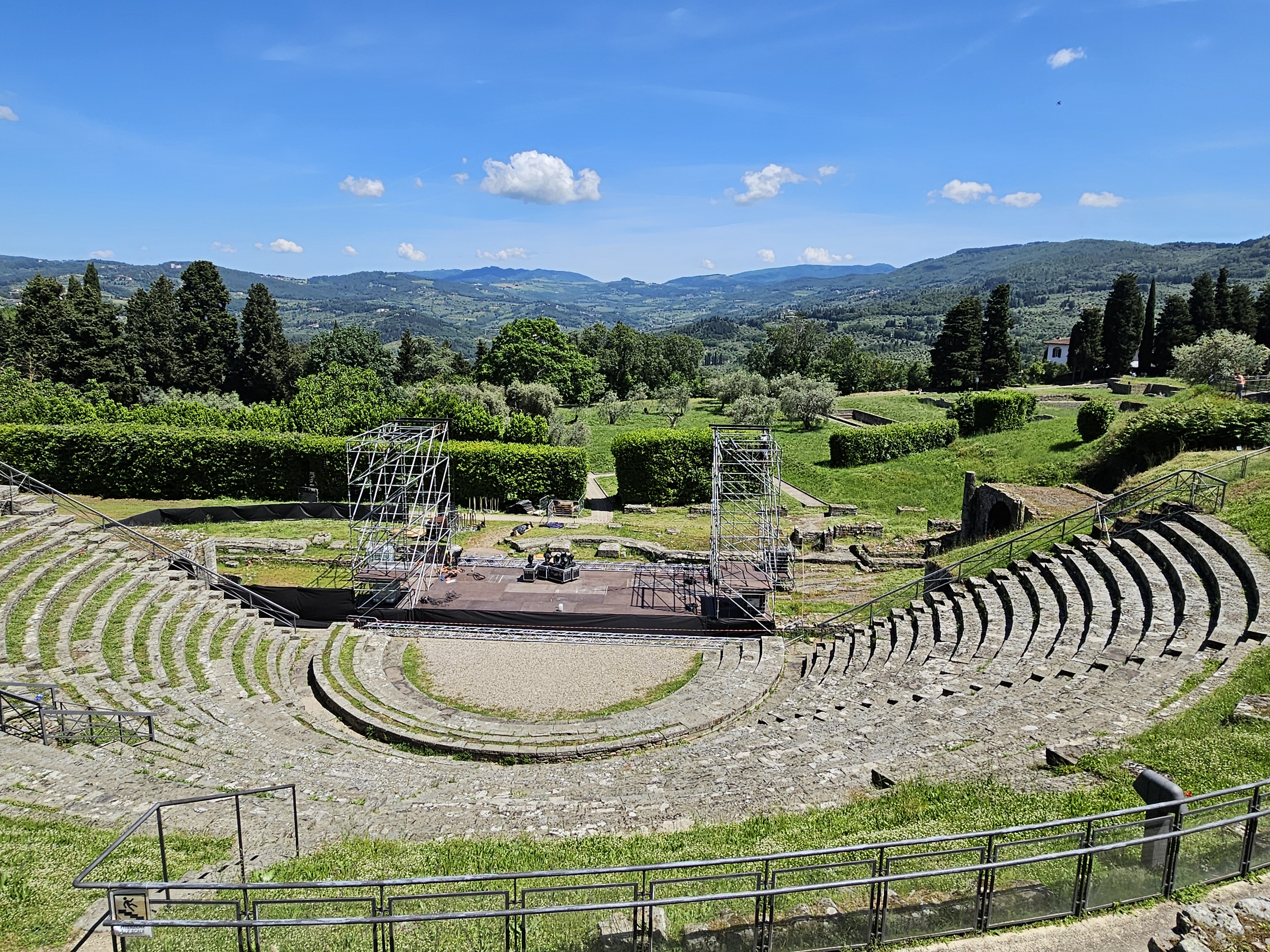
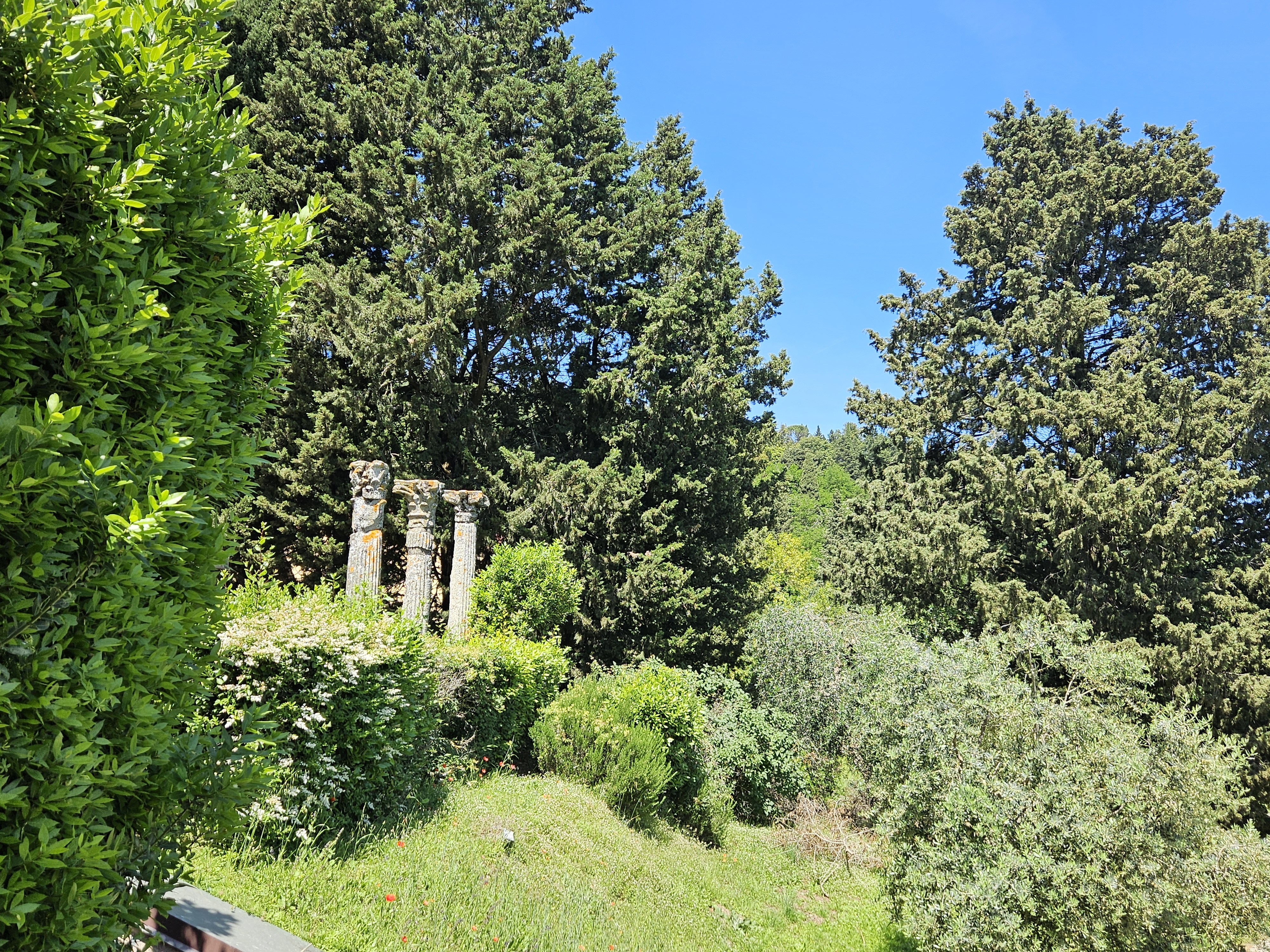
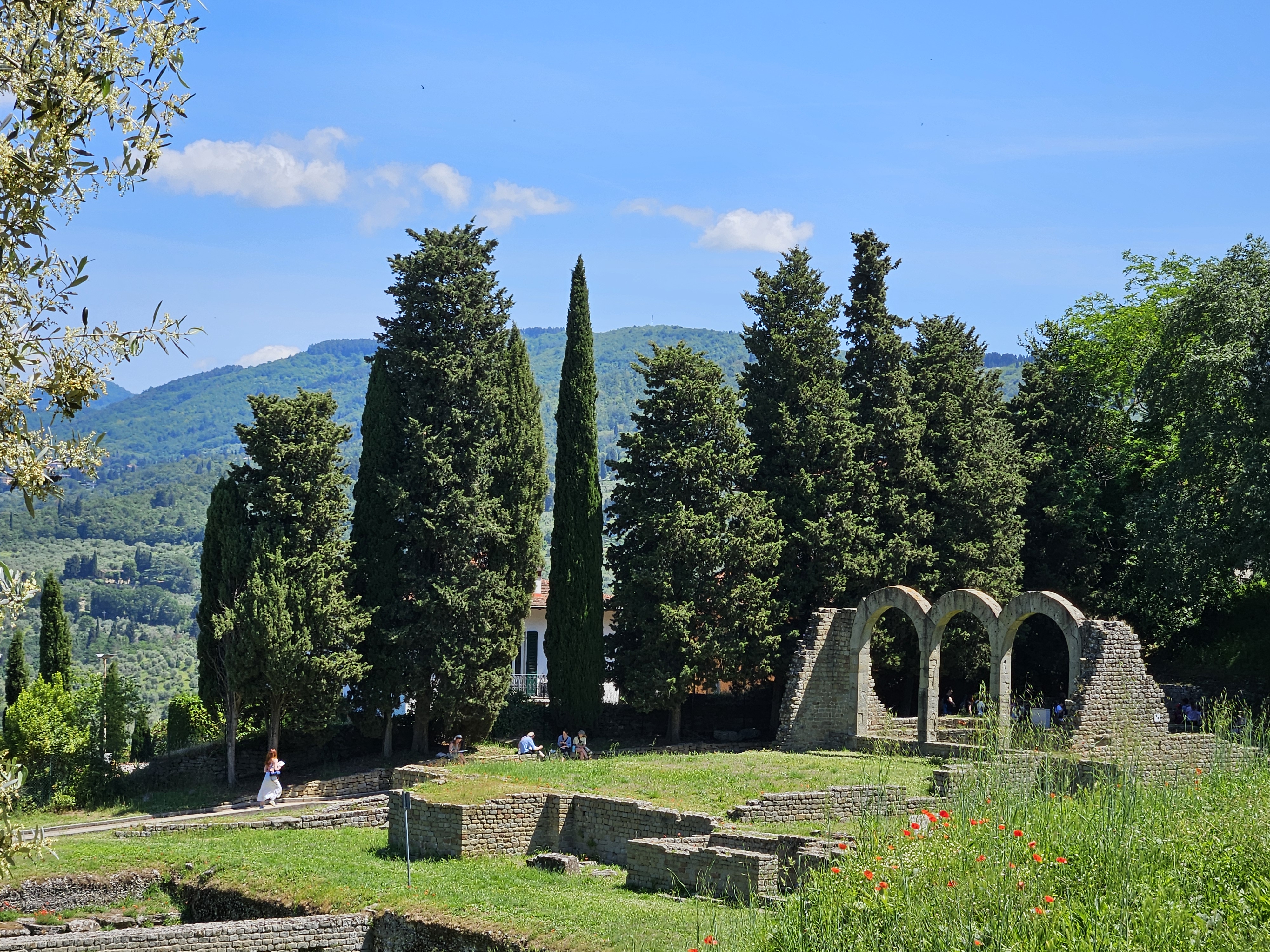
A blend of Etruscan presence and Roman occupation, there is an outstanding Roman amphitheater that is still used for theatrical and musical performances. Walk the grounds behind the amphitheater to explore Roman baths and Etruscan walls and temples discovered in the 1800s and take in the sweeping views of the Tuscan countryside, which is why the Romans must have wanted this prime hilltop location. From Fiesole, you could see any enemies approaching AND keep dry from the Arno River flooding, which it does on occasion with devastating consequences.

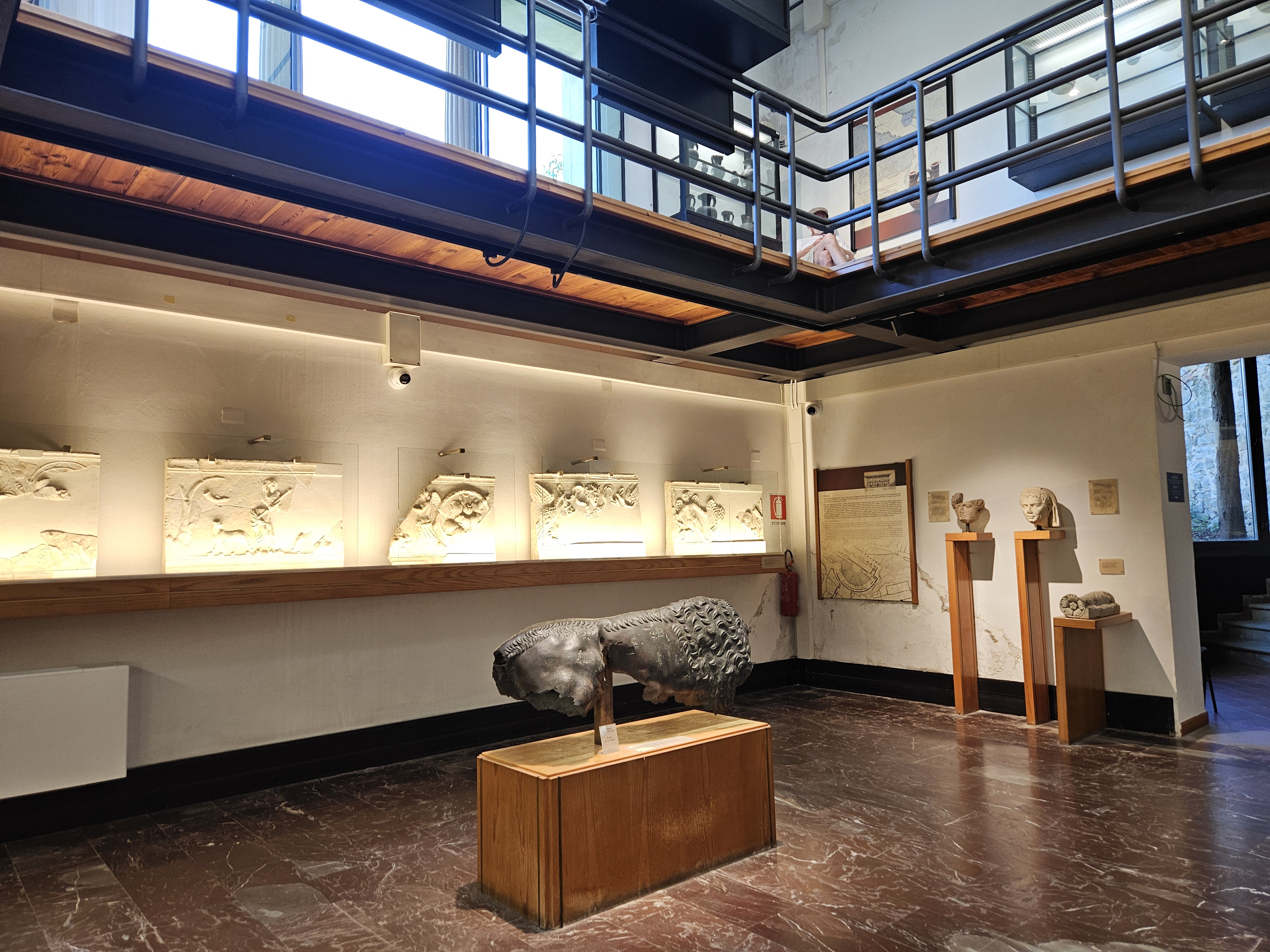
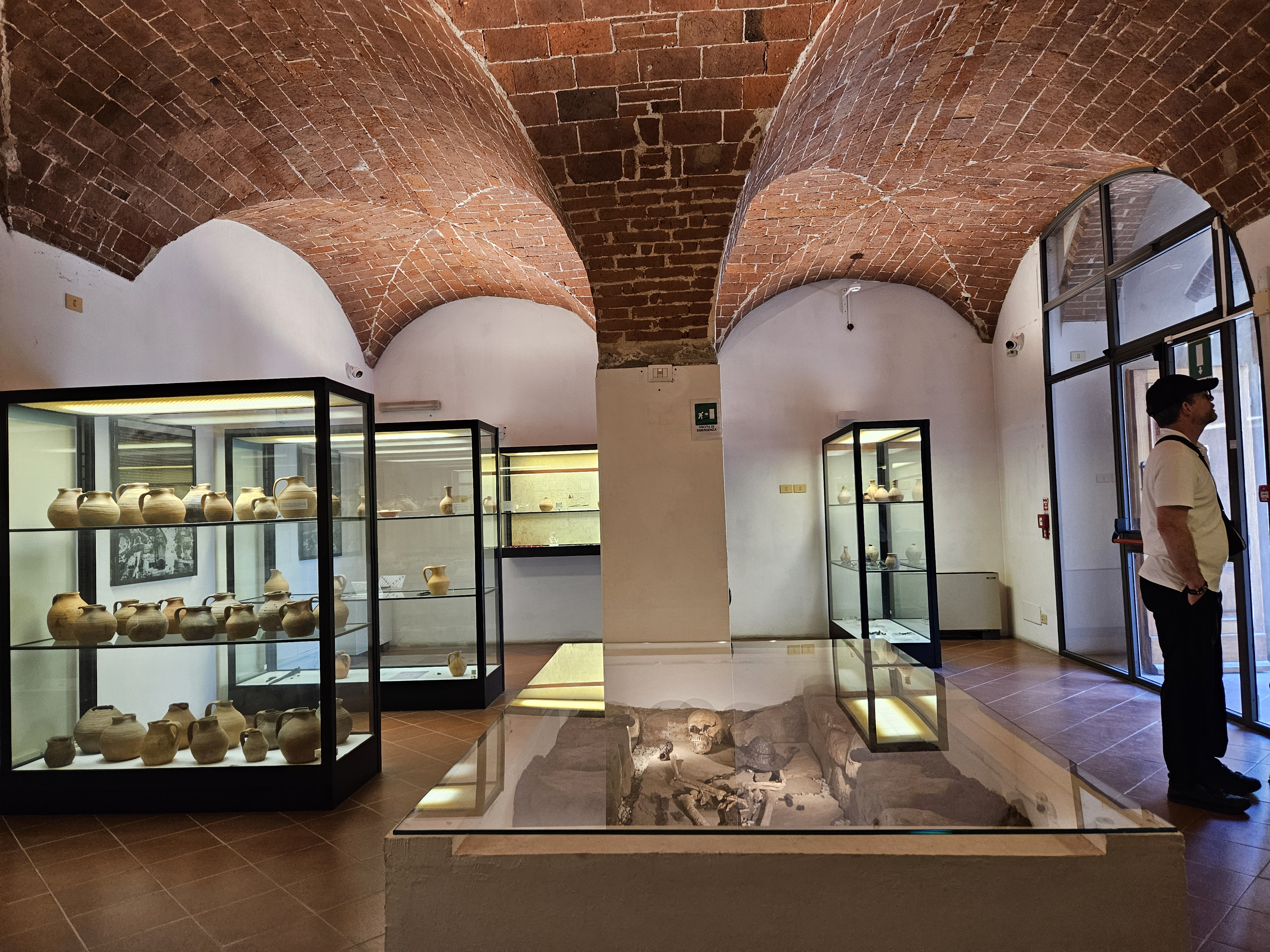
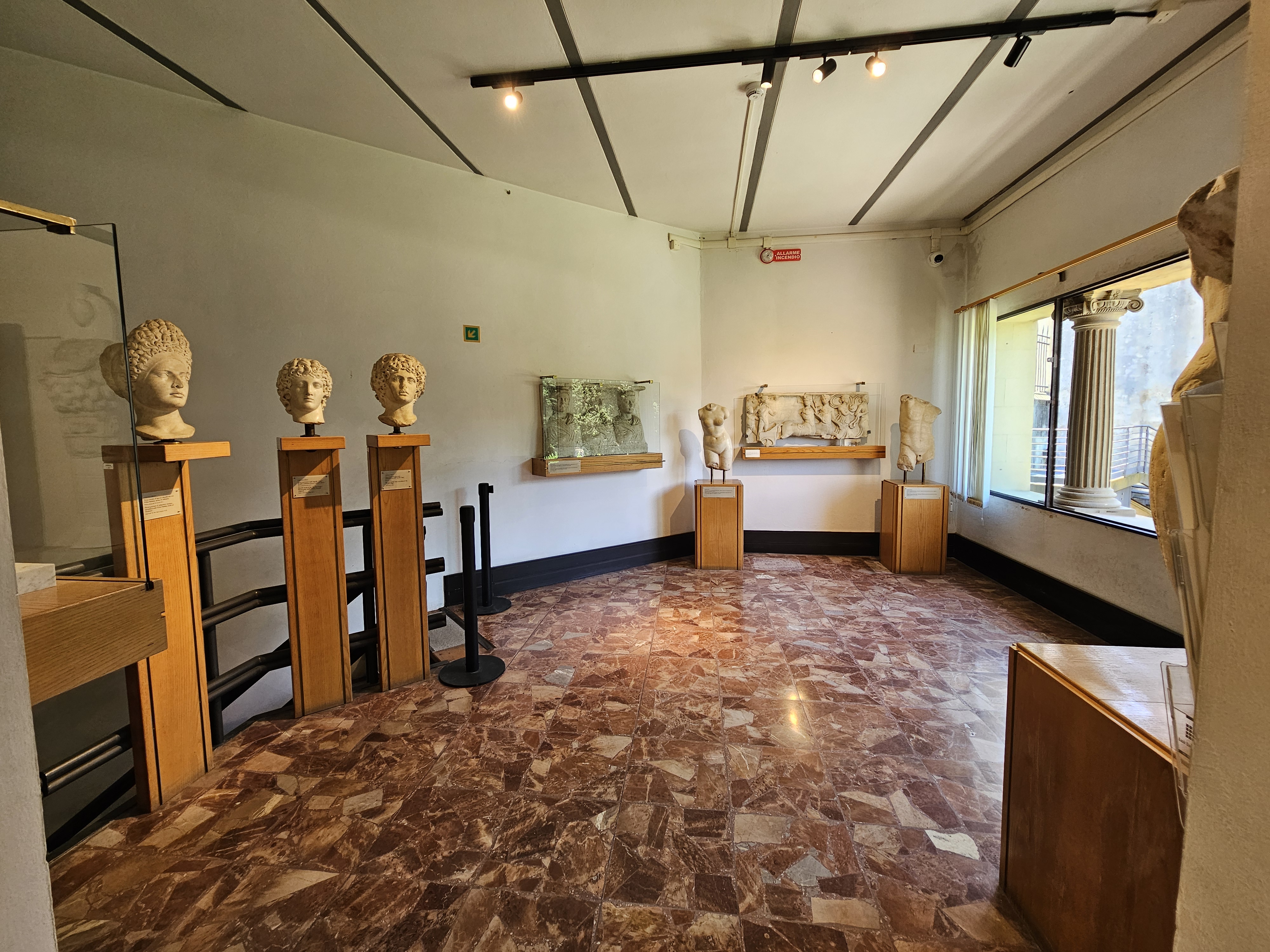
The city’s Civic Archaeology Museum is located within the site. For just $10 euros, you can visit both the site and museum. What is absolutely crazy is the lack of tourists taking advantage of this experience. Within the museum, you’ll find the Antiquarian Costantini, a special collection of over 150 pieces of ceramics from ancient Greece and Etruria. Seriously, there were maybe 2-5 people in the whole museum when we were there. The replicas are from the Romans, Etruscans and Lombards, who all occupied this key hill in Tuscany at various times. So many levels of history here to enjoy. Also, within the archaeological grounds is Caffe Teatro, which has food and snacks with full bar to take a respite with a view. And there are bathrooms!

If you have time, walk uphill from the architecture site and village square to visit the monastic complex. The whole complex is a sacred space…with a million-dollar view! The interior of the church is worth a visit with beautiful artwork to admire. Fun fact-Leonardo da Vinci first experimented with the concept of flight from this very hilltop town. There is also the Museo Bandini across the street from the archaeological area. Entry to the museum can be included as a combo ticket with the Archaeological area and museum. This is the home of paintings from the 12th-14th centuries. So much to see in this little village!

We visited Fiesole in late May, and they were just setting up the amphitheater for the Estate Fiesolana summer event. Next visit to Florence (and there will certainly be at least one!) we may have to time it differently so we can take in this unique experience. We will have to bring seat cushions though for those stone slab seats-ouch.

Getting There:

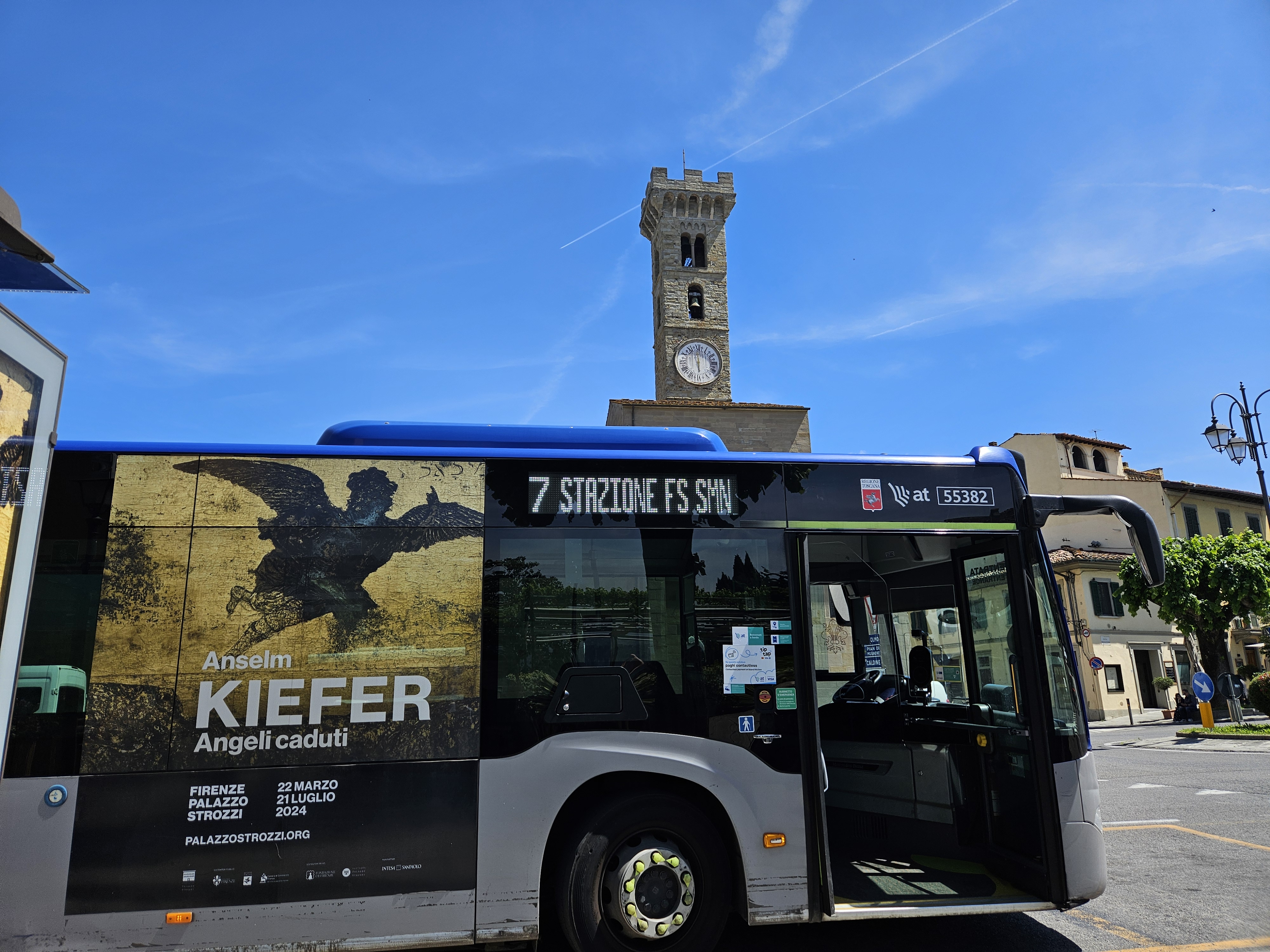
Hop on the #7 bus by the Santa Maria Novella train station. Get off when you arrive at Fiesole’s main square, Piazza Mino. Go directly across the street, past the Cathedral of St. Romulus (You must cover your bare shoulders/knees as usual in sacred spaces.) Visit the cathedral if it’s open-it wasn’t when we visited) and you will see the entrance to the archaeological site. Enjoy the journey!