Milan, Italy – A to Z Travel Tips

We got to spend a lovely week in Milan when we visited recently for a Bruce Springsteen concert that unfortunately never happened due to Bruce’s illness. Oh well, disappointed not to see Bruce but it’s always wonderful to be in Italy. Milan is a working town vs. the historically preserved Florence that we had spent two weeks in earlier. In WWII, a large portion of Milan was leveled by Allied bombs and you can see that by the mix of a few older buildings and mostly modern structures in the city core. That the Duomo, The Last Supper, Sforza Castle, and other beautiful landmarks survived the bombings is a miracle.

Here’s a suggested itinerary for a week plus practical travel tips to follow during your stay in Milan. Enjoy the journey!

Day 1: Explore the Heart of Milan and luxury shopping

  1. Piazza del Duomo: Duomo di Milano – Official Website (duomomilano.it)
    • Start your day at the magnificent Milan Cathedral (Il Duomo). Get the guided tour with roof access. Milan Super Saver: Skip-the-Line Duomo and Rooftop Guided Tour 2024 (viator.com). We loved this tour and you won’t believe the views from the top! Pay extra for use of the elevator with this tour package if you don’t love climbing steps.
    • Climb Brunelleschi’s Dome for panoramic views.
    • Explore the Baptistery and Giotto’s Bell Tower.
  2. Explore the Vittoria Emanuele Galleriehttps://www.ingalleria.com/en
    • Opposite the Duomo, spend time at cafes and shopping at high end stores. Under the central dome is a floor mosaic with the Savoy Coat of Arms. According to legend, you will have good luck if you step with your right foot on the bull and twirl around 360 degrees around with your eyes closed. Don’t worry about finding it-there will be tourists lined up to take a turn!
  3. Golden Quadrangle:
    • Stroll along Via Monte Napoleone and Via Alessandro Manzoni.
    • Window shop at luxury boutiques like LV, Fendi, Armani, and Gucci. If you are a serious shopper, make an appointment in advance.
    • Visit the High Line Outlet for shopping on a budget (located out of town).
  4. Visit La Scala Theater either by taking in a performance (lots of ballet, opera, etc.-get tickets in advance) or book a guided tour: https://www.museoscala.org/en/visit/museum-and-theater/guided-tour-of-the-theater.html. We went on the tour because the tickets are pretty expensive but I’m sure it would be a wonderful experience.

Day 2: Art, History, and Vintage Cars

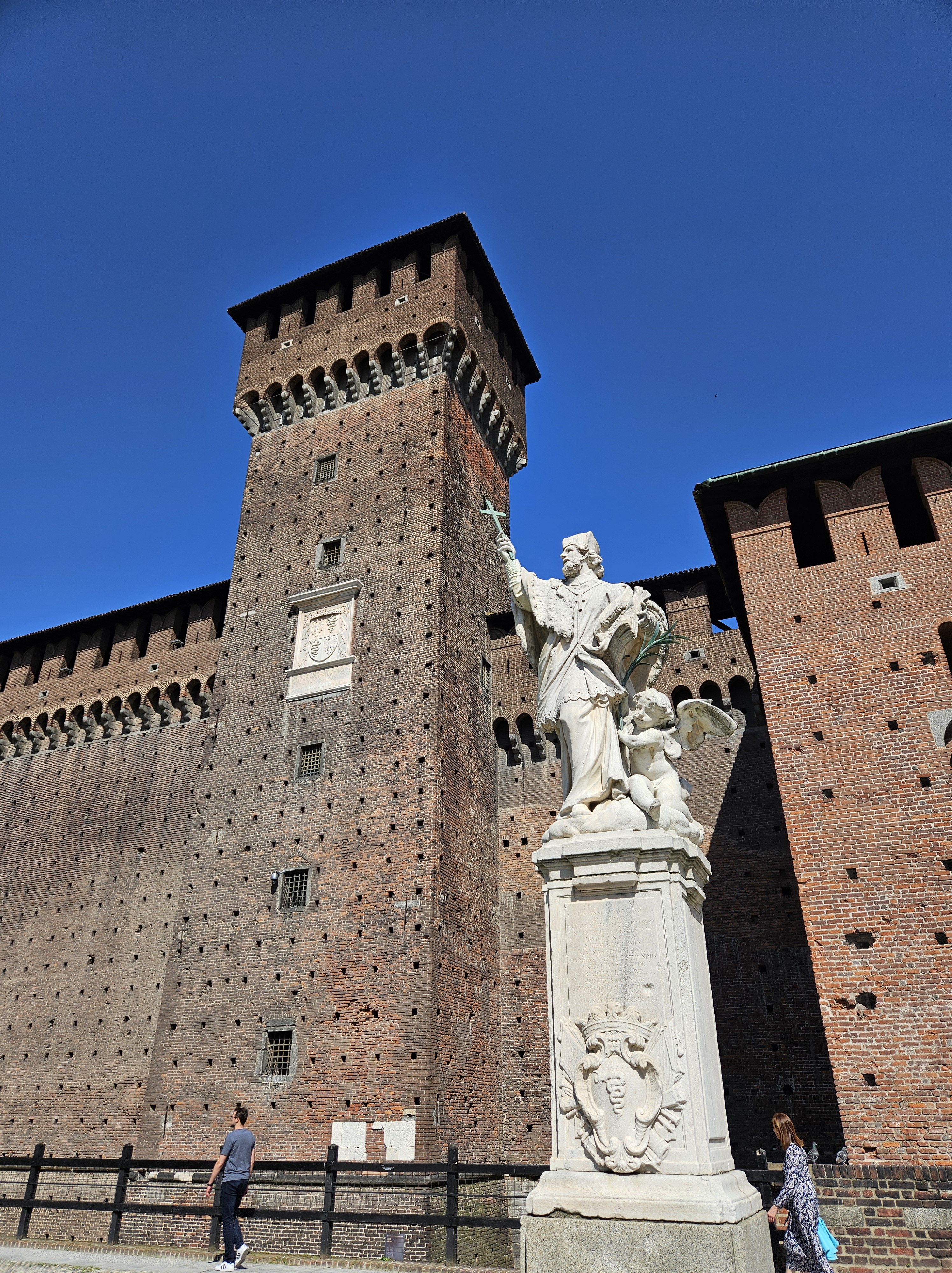
Sforza Castle (Castello Sforzesco): Welcome to Castello Sforzesco Official Site | Castello Sforzesco Official Website (milanocastello.it) Spend the day wandering the grounds and the museum!

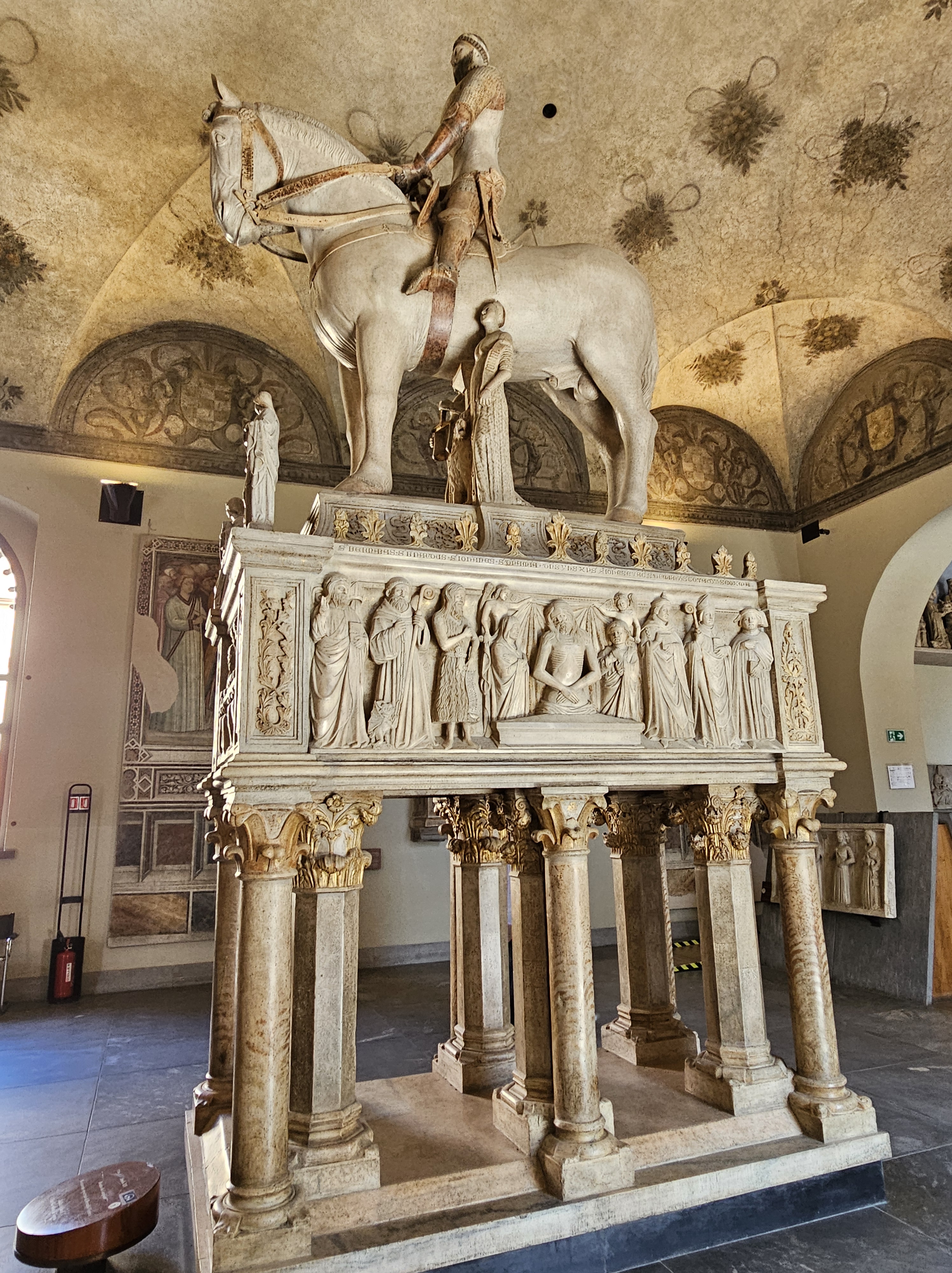
  • Explore the castle and its museums.
  • Admire Michelangelo’s unfinished sculptures.
    1. Vintage Fiat 500 Tour:
    2. Navigli District-Spend evening wanders in the canals that has lots of cafes and shops. Take a cruise down the canal: Milan: Navigli District Guided Canal Cruise | GetYourGuide. We even had a musical journey with a wonderful sax player entertaining us on our cruise.

    Day 3: Art and Chapels

    1. Santa Maria delle Grazie:
    2. Sant’Ambrogio Basilica: Home page – Basilica of Sant’Ambrogio (basilicasantambrogio.it)
      • Visit this ancient church with stunning mosaics.
      • Explore the nearby Sant’Eustorgio Basilica.
    3. Jazz-Take in a show at the Blue Note Jazz Club famous for it’s musical variety Jazz Club, Ristorante, Location Eventi Milano | Blue Note (bluenotemilano.com)

    Day 4: Brera Neighborhood

    1. Pinacoteca di Brera neighborhood:

    Day 5: Parks, Museum, and Cemetery

    1. Parco Sempione:
      • Relax in this beautiful park near Sforza Castle.
      • Visit the Arch of Peace (Arco della Pace).
    2. Monumental Cemetery https://monumentale.comune.milano.it/
    3. Leonardo Museum https://www.leonardo3.net/en/

    Day 6+: Day Trips

    If you have the time, Milan is the perfect hub to take day trips from, so off you go on your own to the train station (about one hour trip if you get the express-$8 euro each way) or get a guided bus tour at Day Trips from Milan | GetYourGuide.  Popular choices are to visit Lake Como but be prepared for an 11 hour day to/from on a bus with stops along the way and a boat cruise.

    Vareena: We went to Vareena for the day by train from Milan. Buy your tickets for the train online. Leaves from main station, Milano Centrale. When you arrive in Vareena, walk down to the water and take the trail along the lake that leads to shops/cafes with great views of the harbor. As the masses exit the train, they headed right for the ferry to take a boat ride across Lake Como. We walked instead and waited for the next ferry (they come every 30 minutes or so). Buy a ticket at the standby the ferry dock ($9 euros per person round trip from Vareena to Bellagio) and wait in line. Grab a seat on the top (outside or inside seats) and prepare to enjoy the view and relax. You can just ride over and stay on the boat to ride back or you can get off and walk about Bellagio and take a later ferry back.

    Remember to savor Italian cuisine especially the risotto dishes, indulge in gelato, and soak up the vibrant atmosphere of Milan!

    TRANSPORTATION IN MILAN

    • The car traffic is heavy in Milan so allow lots of time to get where you want to go, even with taxis able to take the bus lane. We stayed at a hotel out of the city near San Siro Stadium (to see the Bruce concert that didn’t happen) so we ended up taking a lot of taxis when we couldn’t use the bus/subway combo to get somewhere. The buses/subways are well used so be prepared to stand and be packed in with people. The trolleys are cute and can get you around the city core. One day we just hopped on one near Sforza Castle and rode it all the way around town. You tap to pay to take all public transportation-the machine is on the bus/trolley, or you tap to get through the gate into the subway.
    • You will see A LOT of graffiti on buildings in Milan. Not street art but random writing on buildings. The landmarks are not tagged or, if they are, they clean them up, but most other buildings are defaced. Life in an urban environment!
    • Flying in and out of Milan-there is an international airport (Malpensa) and a local airport (Linate) on opposite ends of town. Make sure to specify which one you want to go to. If you have any VAT to apply for, you must get your receipts (given to you by the store you bought at) BEFORE you go through security. Then, on the other side of security, you will see an office for “tax refund” and you take your paperwork there to get the VAT refund. We learned the hard way and did not get the required stamp and didn’t want to go back so we just left without it despite Thom shopping his way through the swanky Milan men’s boutiques.

    Many of the smaller airports don’t have gates attached to terminal so you board buses to get to and from the plane to the terminal. Make sure you are able to carry your luggage and do stairs up and down to get on planes. Otherwise, use only larger airports. Florence’s airport and Milan’s Linate airports both use buses for some flights.

    CURRENCY

    Italy uses the euro. Bring a coin purse because you will get a lot of coins as change. Only bills are 5, 10, 20, etc. The coins are 1, 2 and all under 1. I started using a baggie, but it looked so tacky I bought a small coin bag in Florence.

    RESTROOMS

    You need to have a few 1 and 50 cent coins with you at all times to get into public bathrooms, which are usually clean and some even have attendants. Bring tissues with you too as toilet paper can be scarce. Also, hand sanitizer is a must have.

    If there aren’t public bathrooms, go to a big busy cafe or department store where they can’t track all patrons and go right through to the bathroom. Don’t ask permission. The main attractions will all have bathrooms, but most will be located past entry if there is an entry fee.

    FOOD

    • Milan is known for their risotto (northern Italy) vs. pasta (southern Italy). The classico Milanese risotto version has saffron, and cheese and it is delicious. I wanted to lick the plate clean.
    • Don’t worry-gelato is everywhere in Italy. There are also exquisite pastries in the shops so when you need that espresso to keep you going, there are sweet treats to enjoy as well.
    • Aperitivo starts early afternoon until about 7 and dinner starts at 8-restaurants don’t even open until then so have a late lunch. You’ll get snacks with a spritz, usually olives, chips, nuts so you won’t be starving when you get your meal at 9 pm.
    • Cafes in the Galleria looked like a great place (expensive) to get a drink or bite, and people watch.
    • Pistachios are a big thing all over Italy. Pistachios are included in croissants, cannolis, gelato, etc.

    DRESS

    • Since Milan is the Italian capital of fashion, finance, and industry, you will see men dressed well, usually during the day in suits. Women are styled from head to toe as well. Tourists do stand out here, wearing lots of resort wear in June, when we were there. Lots of bright print dresses and shorts. I always wear black when I travel so I looked very urban by comparison. What you wear is up to you. Just wear comfortable shoes! Every time I saw a woman in pointed toe heels, I shook my head in amazement. How do they walk in those, let alone on cobbled streets???
    • Men in their fine suits don’t wear socks with their Italian loafers. Why? Maybe they want to show their ankles? I need to know.
    • Handbags are important here. At dinner, the well-styled couple next to us went to the manager and got a stool for her large designer handbag so it would not have to rest on the floor. Still not enough, the gallant gentleman put a cloth napkin on the stool before the handbag was placed. I was then also given a stool for my $25 Amazon travel bag, which has rested on floors all over the world. When in Italy!
    Visiting Sforza Castle in Milan

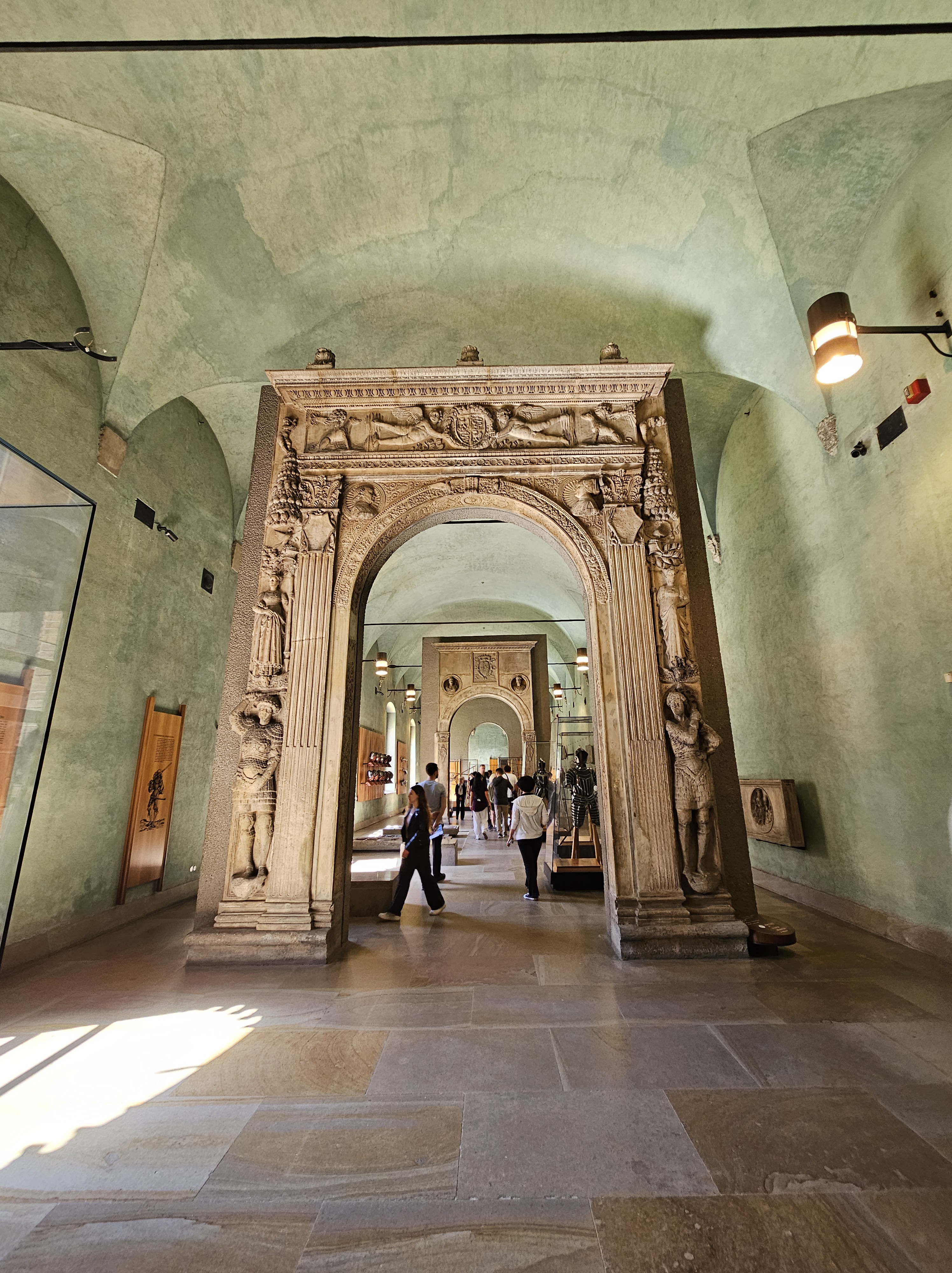
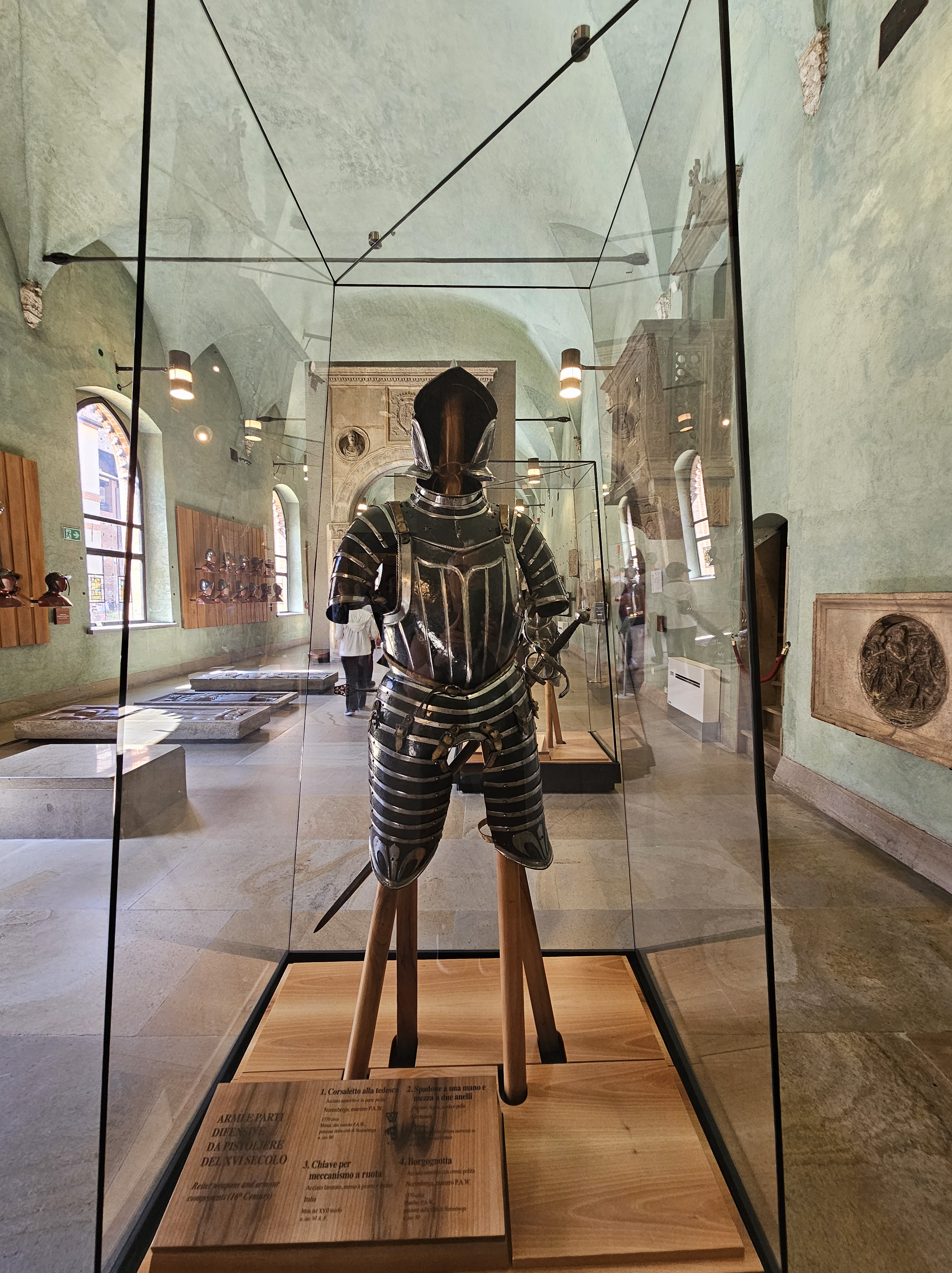
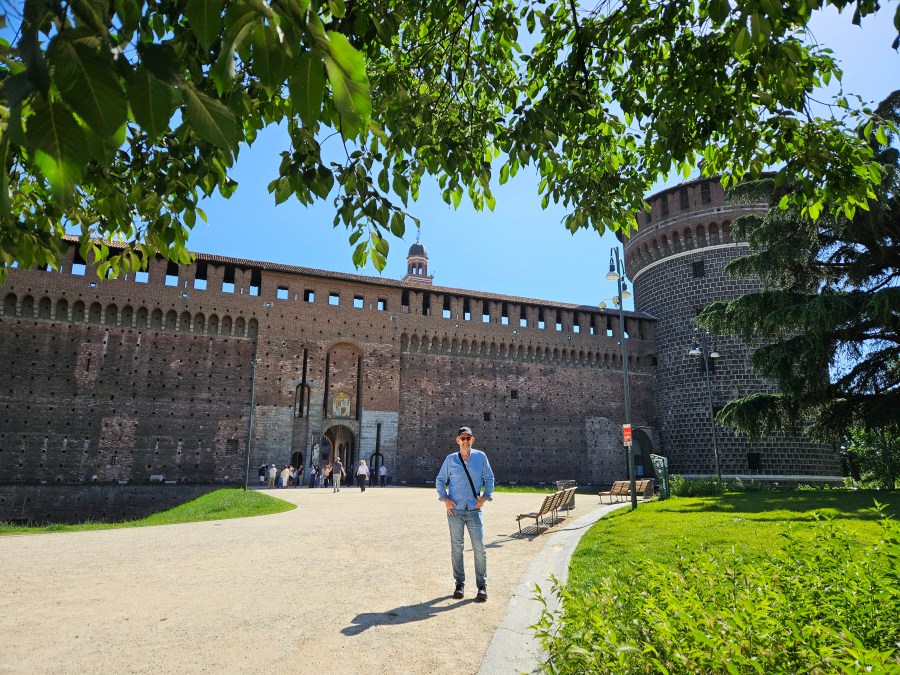
    Every first Sunday of the month, Sforza Castle in Milan throws open their very large gates and welcomes all in for FREE. We were planning to go on another day during our recent stay in Milan, but I saw this and we rearranged our agenda to take advantage of free admission, which meant more $$ with which to shop. Thom went on an Italian shopping spree, so we needed to save where we could in order to afford more man jewelry, scarves, vests, collarless shirts and the list goes on. But back to the castle. which is enormous and houses an amazing museum filled with art, sculptures, tapestries, medieval weapons-something for everyone. There were even unfinished Michelangelo sculptures that we somehow missed in our wanderings. This place is HUGE!

    We started our adventure by walking throughout the outside areas and imagining how life would have been living and working at the castle back in the 15th century. There has been lots of renovations over the years and as is always ongoing at a site this old. After strolling around outdoors, we dived into the museum. In the summer, go when it is cool in the mornings because these old structures don’t have central air or any air really and it gets hot fast. With so much to see inside, plan ahead to arrive early so you can spend at least a few hours in the museum soaking it all in. I would recommend getting the audio guide. There are English signs on most of the exhibits but taking a tour or listening to an audio guide is in order for such a vast assortment of exhibits.

    Interestingly, we observed from the convenient onsite cafe that there were just as many locals taking advantage of the free admission as there were obvious tourists. When in Milan, enjoy the journey!

    HISTORY:

    We didn’t take a guided tour of the castle but there is so much history that I would recommend taking one if you have time. Short recap according to Castello Sforzesco – Wikipedia:

    The Castello Sforzesco (Italian for “Sforza’s Castle”) is a medieval fortification located in MilanNorthern Italy. It was built in the 15th century by Francesco SforzaDuke of Milan, on the remnants of a 14th-century fortification. Later renovated and enlarged, in the 16th and 17th centuries it was one of the largest citadels in Europe. Extensively rebuilt by Luca Beltrami in 1891–1905, it now houses several of the city’s museums and art collections.

    VISIT INFO:

    Sforza Castle (Castello Sforzesco): Welcome to Castello Sforzesco Official Site | Castello Sforzesco Official Website (milanocastello.it) The castle is centrally located in Milan so you can wander after your visit and find cafes and shopping nearby. There are also trams that go right by the fountain in front of the castle if you want to hop on and tour around Milan.

    • Free entrance to courtyards 7 – 19.30.
    • Free admission to entire complex including museum every first and third Tuesday from 2 p.m. and every first Sunday of the month.
    • Castello Sforzesco Museums: Tuesday-Sunday 10 a.m.-5.30 p.m. (last ticket at 4.30 p.m.; last admission to each individual Museum/section at 5 p.m.)
    • The Museums are closed on Mondays and these holidays: 25 December, 1 January, 1 May
    • You can book online or buy your ticket at the Castle Museum Ticket Office. Ticket office hours: Tuesday-Sunday 10 am-4.30 pm. The purchase must also be made for free holders (including children under 18 years of age).
    • Full ticket € 5.00; reduced ticket € 3.00 (18-25 years and over 65).
    • Audio guide € 5.00, on sale at the Bookshop.
    • Every weekend at 11 a.m. guided tours of the Museums without reservation: on Saturdays in English, on Sundays in Italian. Single rate €17 (including ticket to the Museums), meeting at 10.45 a.m. at the Info point.

    A Month in London-My Observations

    One of the many reasons I love to travel is to experience firsthand how other countries are different than the US. I believe travel expands your horizons, stimulates thinking about how other people live, and makes you appreciate your own life back home. Before I lived for several years in China on a work assignment, I had never appreciated the US’s clean air, water and soil. All those pesky US regulations ensure we are safe from pollution and I’m all for them. When I used to bring Chinese citizens to the US for work trips, they would stare at the blue skies and ask me if air quality was always like that-clean and breathable. On a good day in Shanghai, the air quality index (AQI) was 125 or so and on a bad day, the AQI could skyrocket to 400+ where you could even taste the pollution indoors. An average AQI in Boise, Idaho where I live is 50 or under except for right now during fire season when we are in the 150-200 AQI range. Everywhere we go in the world, I find reasons to both appreciate my home and fall in love with new places. If I’m not on a journey, then I’m planning the next one. So many places to see, so little time. Next up is a girl’s trip to the Netherlands in September!

    Because we completed a one month+ pet sit in London in January/February of this year, I was able to compare the day-to-day normal life of working and being at home in the UK with our experience back in Boise. Here are some of my observations:

    LIKE:

    • History everywhere you look, even on the neighborhood walk with the dog. So much prettier than our 1950s bland architecture in my neighborhood back home.
    • Gas hobs aka stoves cook so fast you really can’t turn away from the stove while cooking but dinner gets done quickly. I now know why people on those home buying shows always want a gas stove not electric. When you travel, you learn how to cook differently or starve.
    • Heated towel racks are common in bathrooms, working to soften up the towels-more on those below. Warm towels after a bath are pure bliss.
    • Local foods that we embraced in the UK included daily tea, hot cross buns available fresh at the grocery, fish and chips, curry, and loads of international restaurants. When in Rome!
    • So. Many. Newspapers. Journalism must still be a viable career in Europe. I love especially the really large Saturday editions. Back home in the US, most newspapers have either closed down or are on their way to being solely digital. When I asked for a NYT Sunday paper in Seattle on a trip last year, they looked at me like I was a criminal, and I was told forcefully to read it online, as having a paper edition was wasteful and bad for the environment. They haven’t gotten that message here in the UK and I loved it.

    DISLIKE:

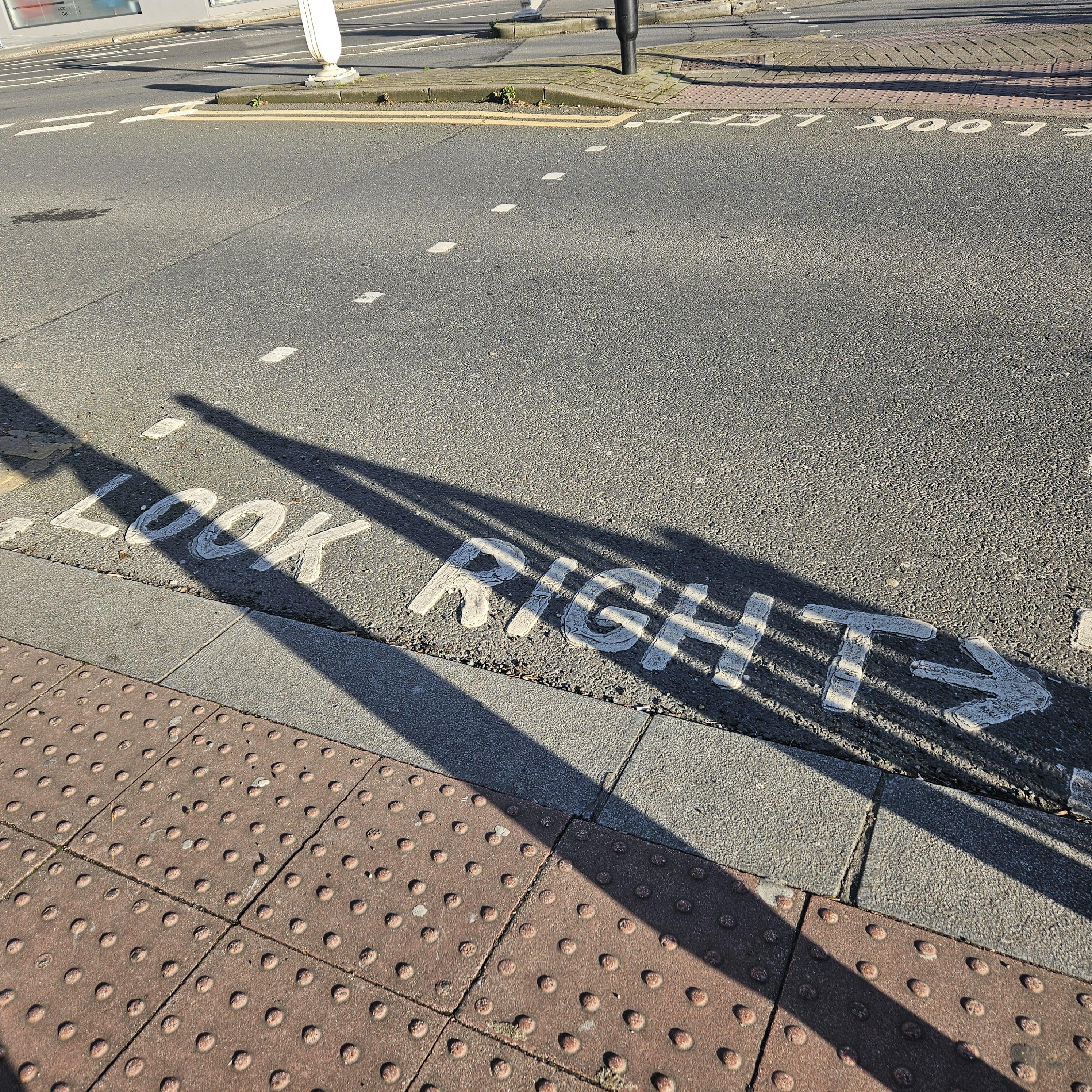
    • Cars and buses coming at you from left, right and you better be alert. With help from the pavement signs, I learned quickly to look left, look right, and be nimble because traffic is coming at you from all directions you don’t expect coming from the US. And don’t forget MIND THE GAP when you are entering/existing the Tube. Typically, there is not a huge gap between the platform and the train, until there is, and you fall onto the tracks (not that this happens frequently-you’re probably more likely to be pushed onto the tracks, so never stand too close when you are waiting for the next train). Don’t mean to scare you off public transportation. Just be aware.
    • Typically, hard water = towels so hard you definitely do not need a loofah to get rid of your dry skin. Putting the towels on the heated rack (love this feature in European bathrooms!) does soften them a little bit and are toasty when you get out of the shower. Ironing them might help too but I don’t iron so that is just a theory.
    • No washcloths provided anywhere in Europe-bring them or buy when you get here.
    • Dryers-as fast the gas hobs cook, the dryers don’t dry quickly. Also, we found out after waiting a few hours for clothes to dry that our dryer in London required emptying a water extraction tube after every cycle. Who knew? This is how the moisture is collected vs. a venting system that we are used to in the States. The appliances you are used to in the US are different in Europe. Use a translation app if the equipment controls are in a language you don’t know.
    • You will find stairs in almost any European house or apartment building because, due to urban density, they build up not out. Great exercise for those legs! Be mindful of your feet and hold onto the banister. Thom and I both slipped a few times as we got used to being alert and not carrying too much when navigating the steep curving stairs.

    WTH?:

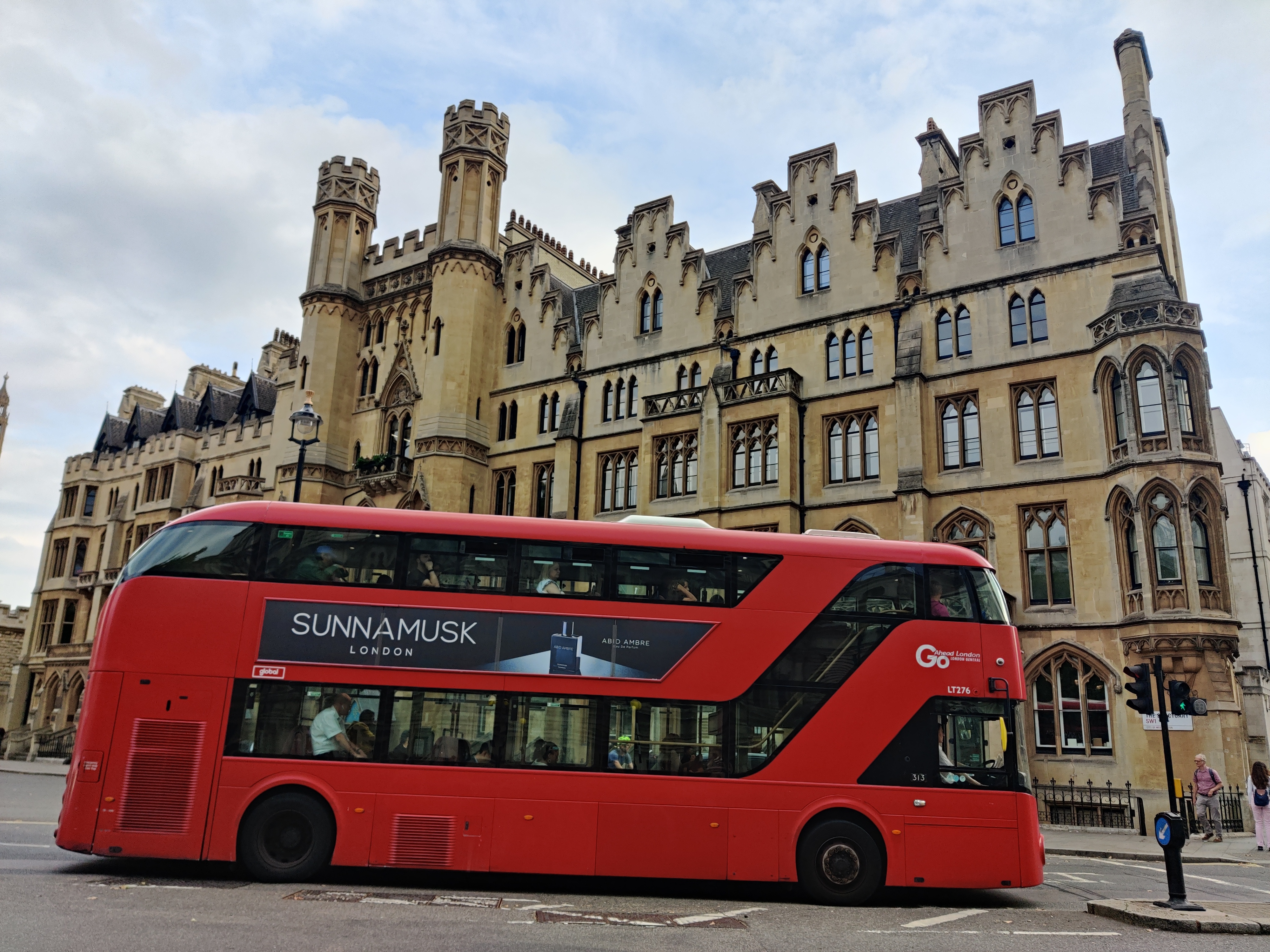
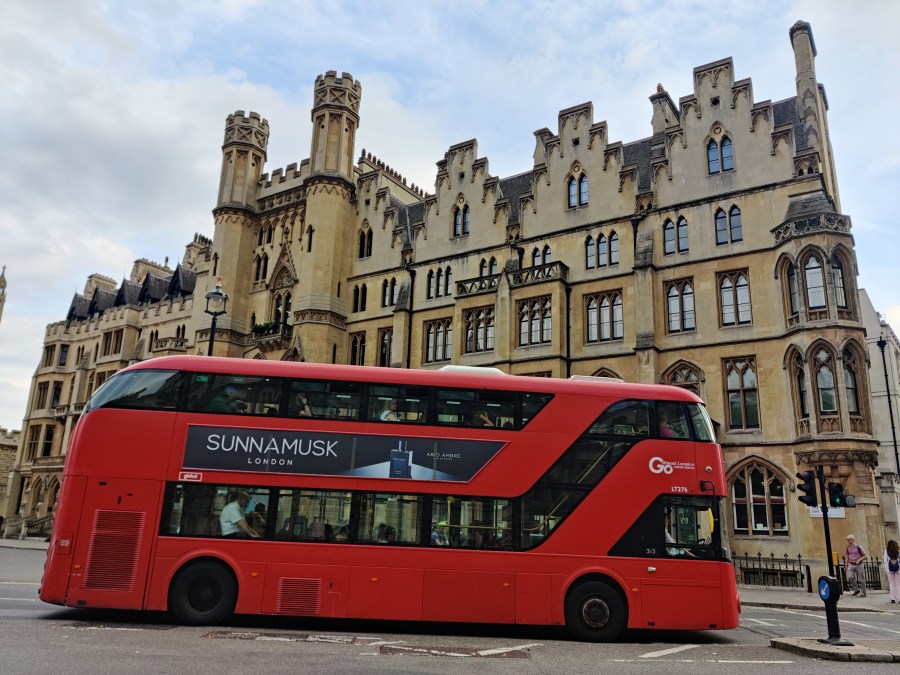
    • Foxes are everywhere in London neighborhoods-they are supposed to be nocturnal, but we saw them daily just rambling down the block in broad daylight like they owned the place. Foxes like garbage similar to racoons and make loud barking/screaming noises at night like the coyotes back home. Once we got used to them, it was not scary or a big deal. We saw one run across the busy road down the block from our house and dodge the double decker bus like a pro.
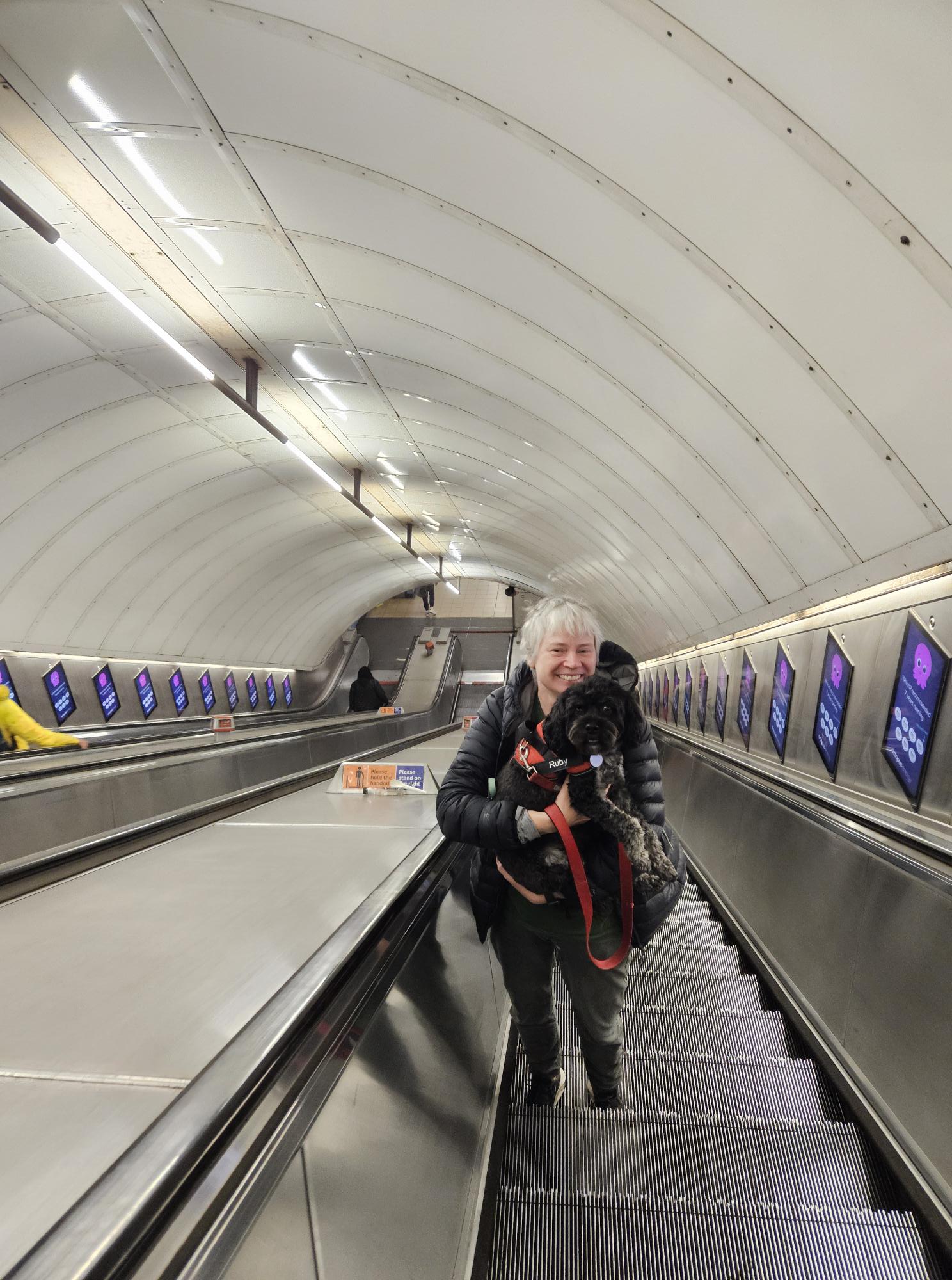
    • Dogs are everywhere in London-on the Tube, in the shops and welcome in some restaurants with their own “Dog Menu”. Now, you would think there might be some food and health laws restricting animals in cafes but apparently not. They are welcome and usually well behaved.
    • Off leash dogs run amok in the parks, rolling in the mud (always raining here) yet wearing the cutest outfits.
    • Lovely fireplaces are often found in every room of the old houses, but most don’t work-too hard to convert to gas? Perhaps too dangerous to have wood burning for sure in these old homes-don’t blame them there.
    • Old houses are lovely but don’t have heat in all the rooms?? Dress warm-layer up. At restaurants, you will also have this type of experience in their bathrooms. Brrrrr…..I used an electric heated throw to stay warm in the living room while enjoying British television shows.
    • Many roads have “blinds” where it will suddenly go to one lane where drivers have to be bold and own the lane or take turns-it’s very organic and scary. One blind right outside the Spaniard Inn window where we were dining made us both gasp and chuckle to watch the cars and double decker buses dodging and frequently backing up to accommodate the heavy flow of traffic. Insanity!

    CREATURE COMFORTS WE MISSED WHILE WE WERE AWAY: (obviously other than family and our dog)

    • Sleep number bed with adjustable positions and warming feet features-the ultimate in sleep experience vs. the average full-size bed.
    • TOTO -if you’ve ever experienced it, you know what I’m talking about. Google it. Bidets don’t even come close.
    • Gas fireplace that we use constantly back home and is so cozy on a cold winter day.
    • Computer lap tray so I can escape to the couch to work sometimes.
    • Comfy office-I’m spoiled by my ergonomic office chair and electric standing desk back home.
    • Gym equipment in our basement for those cold and/or rainy days to get some exercise. Yes, it does rain frequently in London, so we now understand why everyone has those rubber boots aka wellies and rain gear because you have to go out in the rain, or you’d never be able to leave the house. The plus side is that you don’t need a humidifier because you are living in a rain forest with lovely natural humidity.
    • Television sports-you have to get a subscription to watch them most places or go to the local pub. While we do have Chromecast for streaming apps when we travel, we were unable to pick up any US sports because of geofencing so we missed our American NFL football and college basketball that we would normally be watching back home. First world problems, I know.
    • Embrace the changes when you travel and enjoy the journey!

    Paris Travel Guide

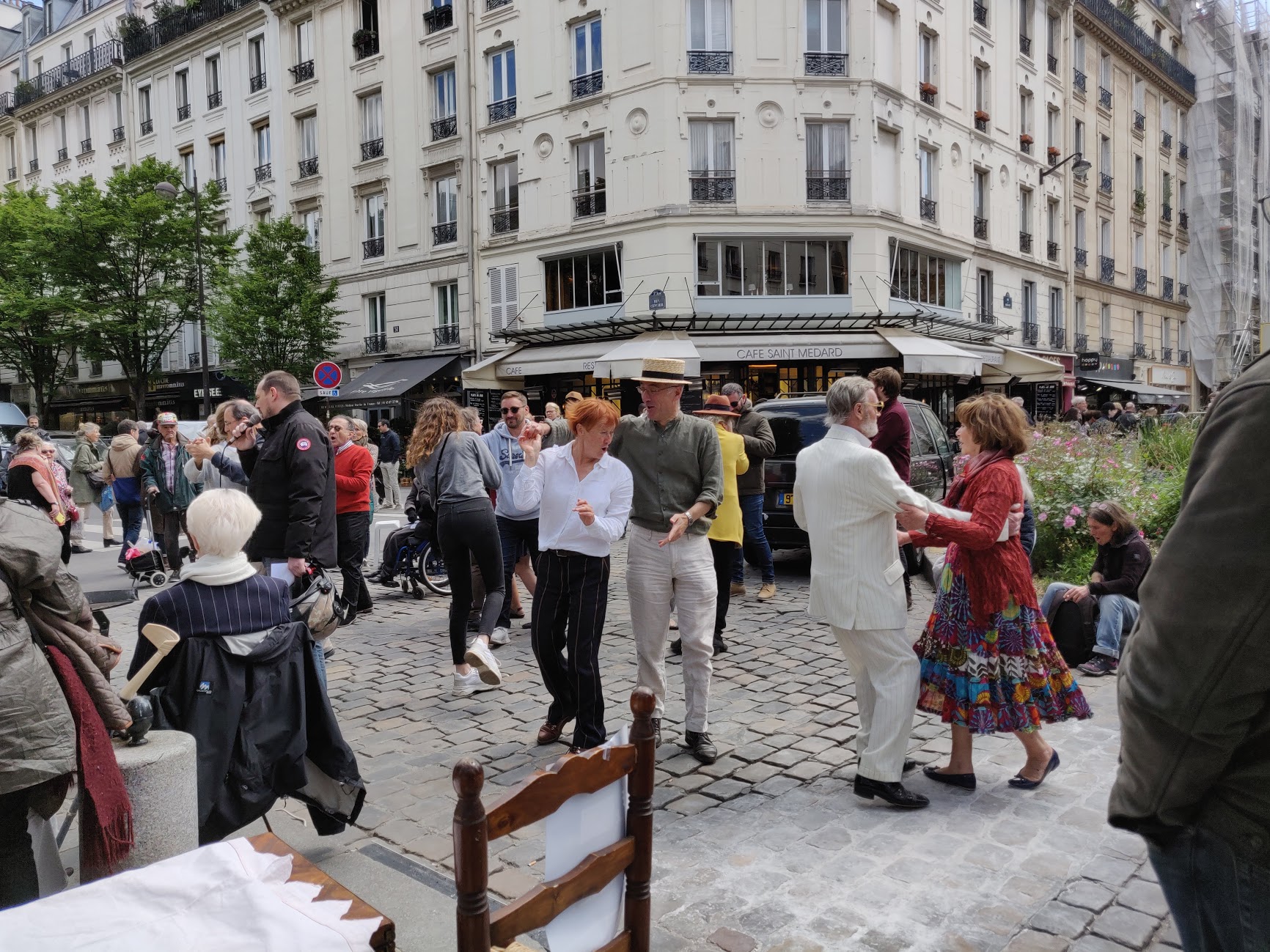
    If you haven’t been to Paris yet, GO! Okay, maybe wait until after the 2024 Olympic craziness is over but then just do it. I’m lucky enough to have been there many times, both for work and vacation. It never gets old or boring as you wander around and perhaps discover people dancing on a Sunday morning by the outdoor market or wander into a church where a harp concert is going on-some of my favorite Paris memories. Every time of year I’ve visited Paris from February to May to September has been lovely, though the summer can get hot and air conditioning is not guaranteed in older buildings. We are hoping to get back to Paris again soon so we can enjoy one of our favorite cities in the world. Below is my travel guide for Paris to help you plan your Parisian adventure. Bon Voyage!

    WHAT TO SEE:

    MONUMENTS AND SITES:

    MUSEUMS (so many to see, so little time)

    DAY TRIPS (use the trains to get there!)

    Versailles https://en.chateauversailles.fr/

    Disneyland Paris: https://www.disneylandparis.com/en-usd/

    Dijon https://www.france.fr/en/article/dijon

    PHOTOGRAPHY SESSION (I haven’t done this but many people seem to do it and it’s a highlight of their trip to capture the moment professionally-sites below sourced off Facebook/Instagram)

    WALKS (the best way to experience Paris is to get lost and wander, stop at a cafe to rest and then wander some more)

    • Canal St. Martin-watch boats go through the locks/cool neighborhood for a stroll
    • Latin Quarter-swing by the Pantheon (watch Midnight in Paris movie to get ready)
    • Luxembourg gardens-bring a picnic sail a boat. Beautiful in the fall! My favorite place in Paris.
    • Pere Lachaise cemetery has many famous figures in the arts buried there. It is a beautiful place to spend a few hours walking around-maps are provided at the gate to visit gravesites of Frederic Chopin, Edith Piaf, Marcel Marceau, Oscar Wilde, Gertrude Stein, Jim Morrison, etc. My husband loves to walk cemetaries so we spent quality time here.
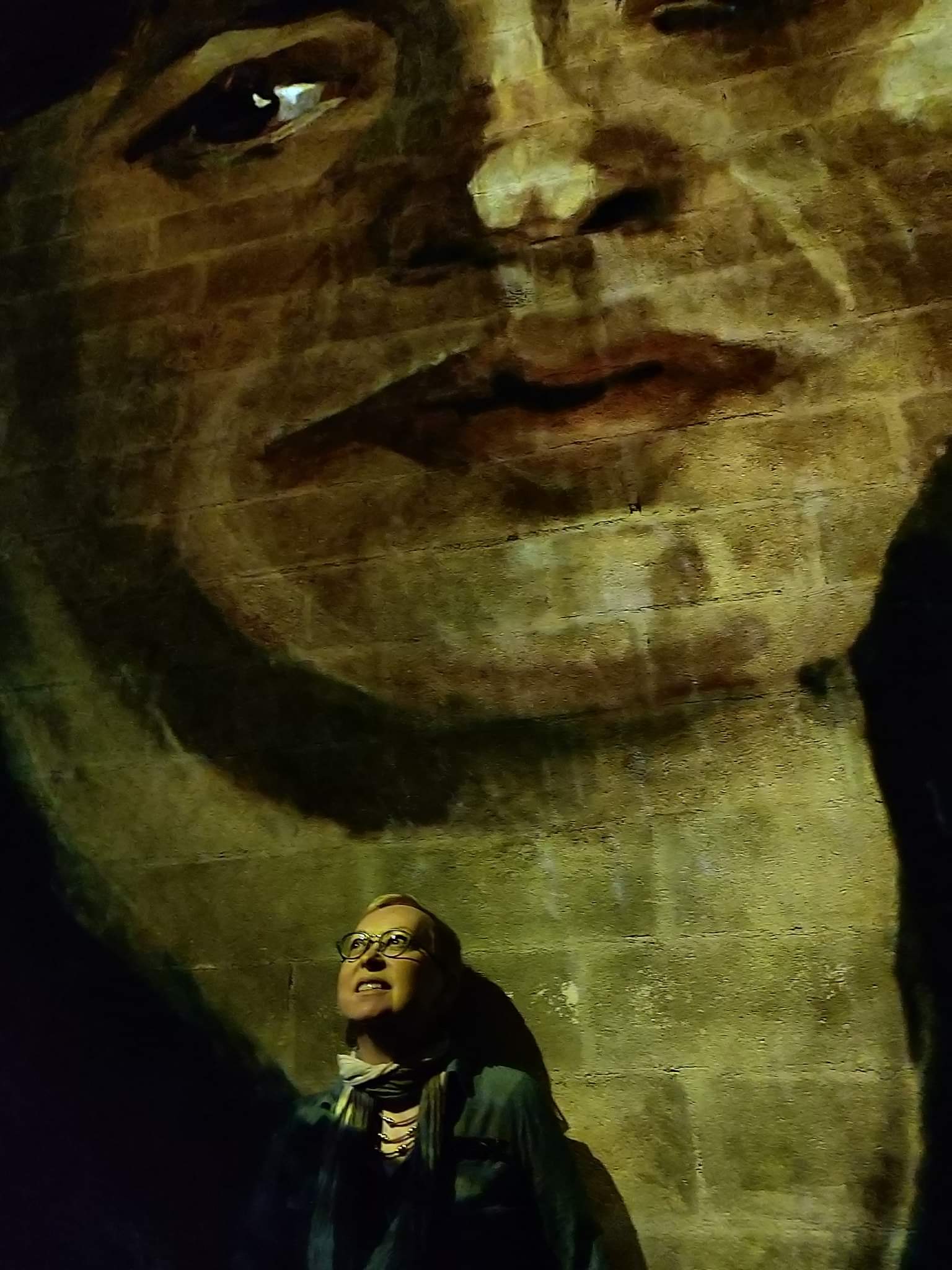
    • Paris catacombs: https://www.catacombes.paris.fr/en labyrinth in the heart of underground Paris
    • La Promenade Plantee is a public park built on a historical rail line in eastern Paris-very similar to the High Line in NYC and nice place to soak up Paris nature while in the city.

    CLASSIC COBBLESTONE STREETS TO WALK:

    • Rue Mouffetard
    • Rue Cremieux
    • Rue des Barres
    • Rue de l’Abreuvoir
    • Cour du Commerce-Saint-Andre
    • Rue Montorgueil
    • Rue Cremieux
    • Rue des Rosiers
    • Rue Lepic
    • Rue Saint-Antoine
    • Avenue Winston Churchill
    • Quai de Jemmages

    VIEWS

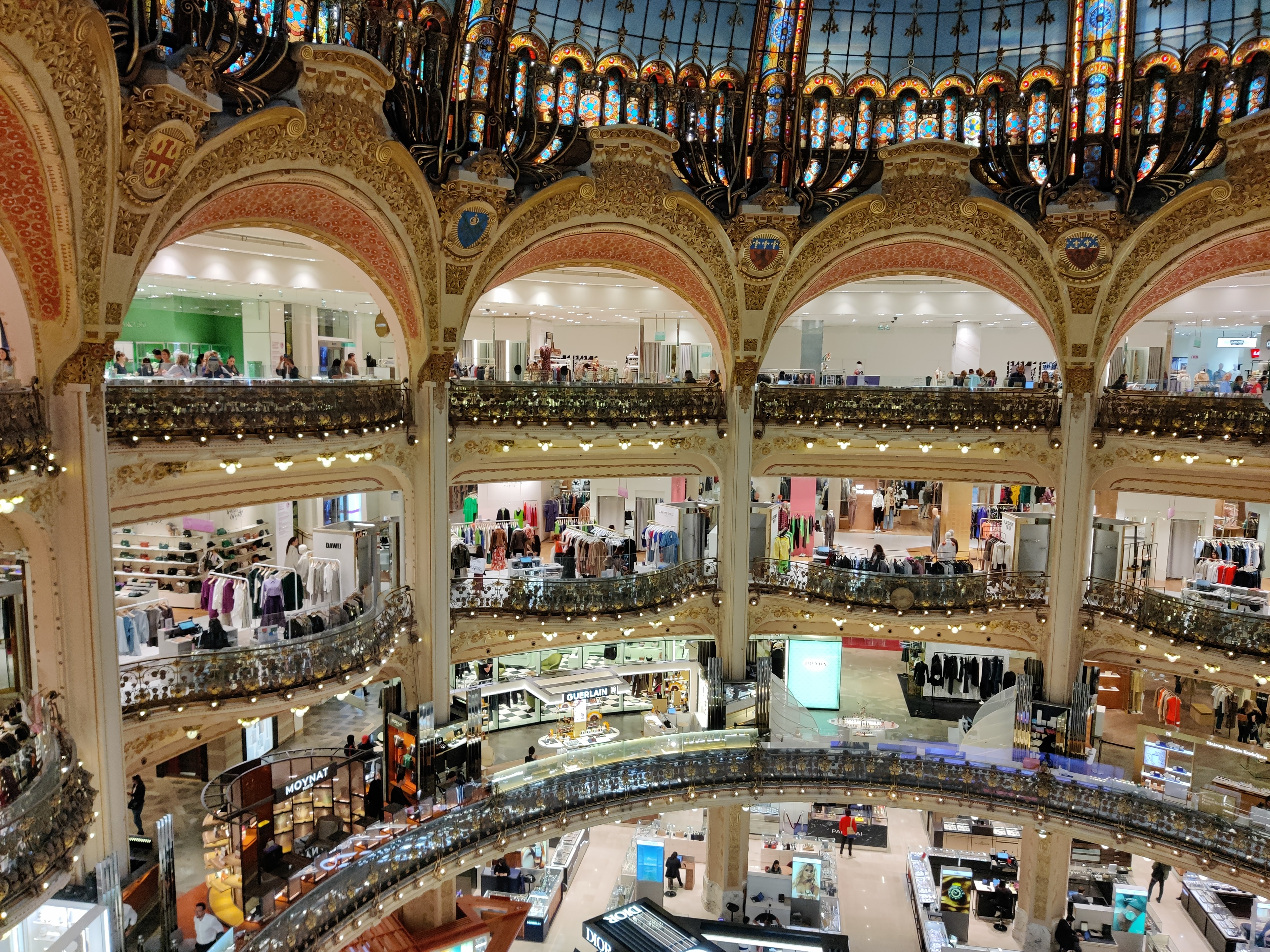
    Rooftop at Galleries Lafayette-also a great place to shop! Haussmann location. Enter the “la coupole” building with red awnings and take elevator to the top floor. Near the Opera House so visit there too while in the neighborhood.

    ​Montparnasse Tower Panoramic Observation Deck:  https://www.tourmontparnasse56.com/en/

    Printemps shopping store-go to the store at 64 Boulevard Haussmann and straight up to the rooftop cafe called Deli-Cieux, where there is an outdoor terrace with views of the Eiffel Tower. Another place to stop to use the bathrooms too when you are out and about.

    SEINE RIVER TOURS

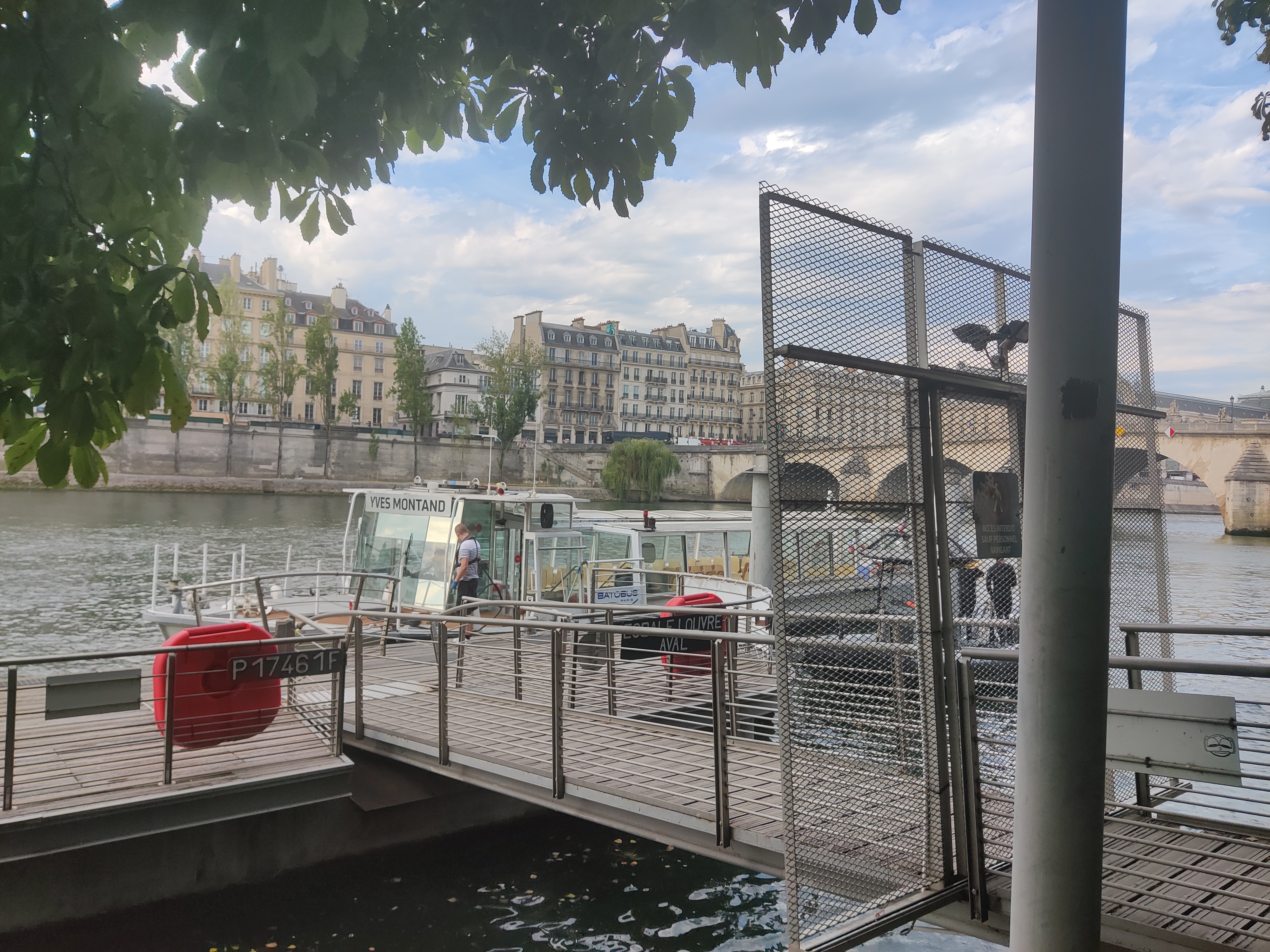
    • Batobus boat tour-hop on hop off on the Seine: www.batobus.com/ Just buy tickets at the dock when you are ready to go or online. Great way to see the city from the water.
    • Evening dinner cruise on the Seine: Calife

    FOOD TOUR

    COOKING CLASSES

    PERFUME MAKING CLASS

    CAR/BIKE TOURS

    WHERE TO EAT:

    People ask on the Paris Facebook groups all the time, “where should we eat in Paris?”.  Easy answer-on most corners you will find a café. Eat there. They are all good. Look for a crowd of locals and you can really count on it. I enjoy my favorites, croque monsieur (ham and cheese melted sandwich), warm lentil salad, onion soup or omelets, and Thom has his big juicy cheeseburgers and fries. Yum! At the cafes, you will be surrounded by neighborhood locals enjoying family dinners. Dinner is usually around 8-9 pm with the cafes staying busy up until midnight even during the week.

    FOOD (restaurants recommended by people I follow in Facebook Paris group because we just always eat randomly at any café in Paris and they are all good)

    Michelin restaurants

    https://guide.michelin.com/ca/en

    Wine tasting https://www.cavesdulouvre.com/en/ (or at any wine shop-they are on every block!)

    HOT CHOCOLATE (a big deal in Paris)

    NIGHTLIFE/CONCERTS

    WHERE TO SHOP:

    MARKETS

    The Marché aux Puces de Saint-Ouen, a sprawling network of warehouses, stands and alleyways on the northern edge of Paris and is the largest antiques and second-hand market in the world and the fourth most visited attraction in France. The Puces de Paris Saint-Ouen, since 1870 – Official website of the Puces (pucesdeparissaintouen.com)

    SHOPPING – COVERED PASSAGES

    SHOPPING – DEPARTMENT STORES

    AIRPORT TO/FROM

    You’ll probably be flying into Charles De Gaulle (CDG) or Orly (ORY). Paris traffic is terrible like most busy cities, so I recommend public transportation that is not only cheaper but faster than taxis or Ubers. Check out all your options here for both airports: Access, maps, routes – Paris Aéroport (parisaeroport.fr). If you want to go bougie, then hire a private car service. Expect to pay about 150 euros for a one-way trip from CDG to the center of Paris. I would allow an hour for the trip due to traffic being hellish almost any day/time.

    Arriving by train to Paris? Then just use the Metro (subway) system or a bus to get to where you are going. You can also stand in a taxi line at the station.

    GETTING AROUND

    Paris is a walking city but there will be times when you need to get somewhere far away or it’s raining and then you should take the Metro. Info here: Metro map of Paris and the île-de-France region | RATP. You need to buy a ticket or a Navigo card from a machine at the station. Unfortunately, it’s not “tap to pay” using your phone or credit card like it is now in the UK or US.

    Caution: you must validate your ticket for subway and RER trains in Paris. We saw a couple sitting next to us get 35 Euro fine a piece because their tickets weren’t validated when security walked through and checked everyone. Being validated means you put in your ticket at stations to open gates and go to your platform. Leaving Versailles, I checked my ticket after I went thru the gate, and it didn’t show validated, so I went back to the service desk, and they had to do it for me manually and then they let me back through. Avoid fines. Check.

    G7 are the “official” taxis in Paris so look for the G7 placard before you get in. Don’t think you can just wave down a taxi on the street. Either get your hotel doorman to get you one or use the G7 app, which hasn’t worked well for me. The train station will have a taxi stand so get in line and wait your turn.

    TRAVEL APPS

    Transportation apps to use in Paris:

    • G7 for taxis
    • Uber
    • Paris Metro for subway
    • Citymapper to get around walking
    • Rome2Rio for transportation to show your options to get from Point A to Point B
    • FLUSH or Toilettes Paris for map to public bathroom access

    Food apps

    • Paris foodlovers
    • The fork

    WHERE TO STAY

    HOTELS (these were recommended by folks on a Paris travel group I belong to. I’ve only stayed in Airbnbs in Paris because we stay for 1+ weeks usually)

    ARBNB (where we have stayed in the past that I would recommend)

    https://abnb.me/N42jnAkyhvb A one bedroom near Montmartre. Must be able do steps-few apartments in Europe have elevators. Right above a boulangerie and across the street from a lovely café.

    https://abnb.me/DFDgqDF8pvb A one bedroom in Montmartre with an elevator. Great neighborhood with all the shops. The kitchen is well equipped and it’s quiet.

    Enjoy your Paris journey!

    My Passion for Travel!

    My passion for travel began with my first airline trip in high school to compete in a national speech contest. I lost the competition but loved the adventure. I began to dream of taking my next trip immediately, though it was years before I got to leave my hometown again. Once I did, however, there was no turning back. I still start planning my next trip immediately after returning home. “Always be travelling” is a lifestyle I embrace! My frequent work trips to NYC after college fueled my love for big cities and also presented me with the unique opportunity to meet a certain wild and crazy New Yorker, who became my husband and travel partner–35+ years together exploring the world and still so many more countries to see.

    Adulting interfered with any travel as we began raising a family and didn’t have the time nor the money to travel extensively. As soon as the last one left for college, however, we were THE happiest empty nesters, our first European trip determined by the cheapest airfare I could find from Seattle, which just happened to be Barcelona. It was a fabulous trip filled with tapas and Gaudi gawking. Thus, the global travel obsession began in earnest, both for vacations and work, including living in China for a few years for my role at Microsoft and then working in Microsoft offices all over the world, anywhere from Moscow (pre-Ukraine war-MSFT offices closed there now) to Tokyo while vacationing everywhere from Stonehenge to New Zealand. I can work remote in my current role consulting with Microsoft, so my only requirement is strong Wi-Fi. We just wrapped up pet sitting in London for 40+ days and look forward to exploring new countries (and pets!) in a similar fashion via our membership in Trusted Housesitters. Truly the good life for avid travelers like us!

    I often wonder why more people don’t love travelling like I do. Recently, I read an article that recommended an icebreaker when you meet someone to ask, “Where are your favorite places to travel?” and, for me, this sounded perfect because I am always interested in hearing travel stories. Maybe a fellow traveler has been somewhere that I should go! Surprisingly, the majority of the time, people respond by saying they rarely travel and, if they do, tend to stay nearby their hometown. Why travel when you have everything you need at home-family, friends, comfortable stuff you’ve collected over the years? I get it but feel sorry more than anything for people who don’t want to travel even if they could. They are missing out on that big, beautiful world out there!

    I do strongly feel that the reason the US is where they are right now is because too many people don’t leave their American “bubble” and thus don’t appreciate the US for both the good (clean air and water thanks to regulations, general prosperity, etc.) or recognize the bad (no national healthcare, increasing racism, and intolerance for LGBTQ+). Too often Americans believe that the US is the best at everything. They think that citizens in all those other countries around the globe would move to the US in a heartbeat if they could. Wrong. Every country I’ve visited (25+) has unique beauty and history that their citizens cherish despite whatever challenges they may face. I always come away from a trip to another country with clear comparisons to their way of life vs. ours, both good and bad. Think gas prices are high in the US? Try Europe prices. Don’t think we need government regulations to ensure clean air? Visit China or India where the AQI often hits a very unhealthy 200+ (US average is 37). No country is perfect but it sure is fun exploring each and every one. 

    I understand not everyone has the time or can afford to travel outside the US. If you can find a job where you can travel for business and they foot the bill, I would highly recommend it. Relocating to another country for your job is even better! I was able to travel across the US and then across the world for my work with Microsoft including living in NYC for six months on a work assignment and relocating to China for two years for a work gig. Not only did they pay for all my living expenses, but I got to really immerse myself in the local culture. When my China assignment ended abruptly a year earlier than was expected, I was sad to repatriate to the US. We still had adventures we wanted to have in China and the Asia-Pacific region. I will never regret that expat experience, even though it was hard to be away from my family during that time.

    What’s next on our travel schedule? Our month in London just ended in February, the jet lag is over, and now we are deep into planning our upcoming trip to Florence for two weeks, then on to Milan for a week to catch a Bruce Springsteen concert, and finally to London to see the Mets play two games. London has so much to see and do that I don’t believe we will ever be “done” with London. The more time we spend in London, the more I like it. I think we will explore a long-term pet sit in France soon. We’ve been to Paris a few times and love it, but I would enjoy settling into a smaller city for a few weeks to see what daily French life is like. The next Girls Trip will find us exploring Vienna, a place I have never been, but I hear you can find exquisite coffee there, so I’m looking forward to checking it out. Oh, the places we’ll go!

    Here are my travel tips to really embrace the local culture wherever you go:

    • Take public transportation not only to get to where you are going quickly but to observe local life. The fashion you will observe on the subways is fascinating.
    • Go to places where the locals might go on a day off-try the zoo (I hugged a koala in Sydney), walk in the park (NYC Central Park is my favorite place) or visit a library (British Library in London is magnificent as is NYC Public Library)
    • Eat at a local (not a chain) pub/café. Bring your dog-they are allowed in many places like the UK. In Shanghai, we would go to trivia night weekly at the local Irish pub with other expats and had a blast.
    • Try the local delicacies if you can-Thom had haggis croquettes at the pub in London. Not my cup of tea but he enjoyed it and it’s not an item you would find in Boise.
    • Read the newspapers-yes, they still have those in Europe, Australia, etc.
    • If you pet sit, you’ll meet people walking their dogs, who will invariably be friendly and chatty.
    • Try a walking tour led by a local, which are usually free (you tip the guide). We’ve used this site: https://www.toursbylocals.com/
    • Watch the local news and tv shows-here in the UK the amount of travel/relocation shows speaks volumes about the locals’ desire visit places preferably with lots of sunshine and warmth.
    • Shop in the grocery stores even if you are staying at a hotel-great place for room snacks and souvenirs.

    We are having the time of our lives travelling all over the world as often as possible. I hope you’ll start planning YOUR next adventure soon. Enjoy the journey!

    Trip Prep-don’t forget these 10 essentials!

    Now, we travel ALOT and I’m currently deep into preparing my packing list for our month in London that starts in just a few days, so I thought I would share some of my trip prep tips on what NOT to forget to pack.

    Honestly, even with all my experience, I still manage to forget things that I later find that I need when I’m in a new country. So, for me AND for you, here is a list of 10 items you may not think you need until it is 1 a.m. in Lisbon or you’re roaming the British countryside by train:

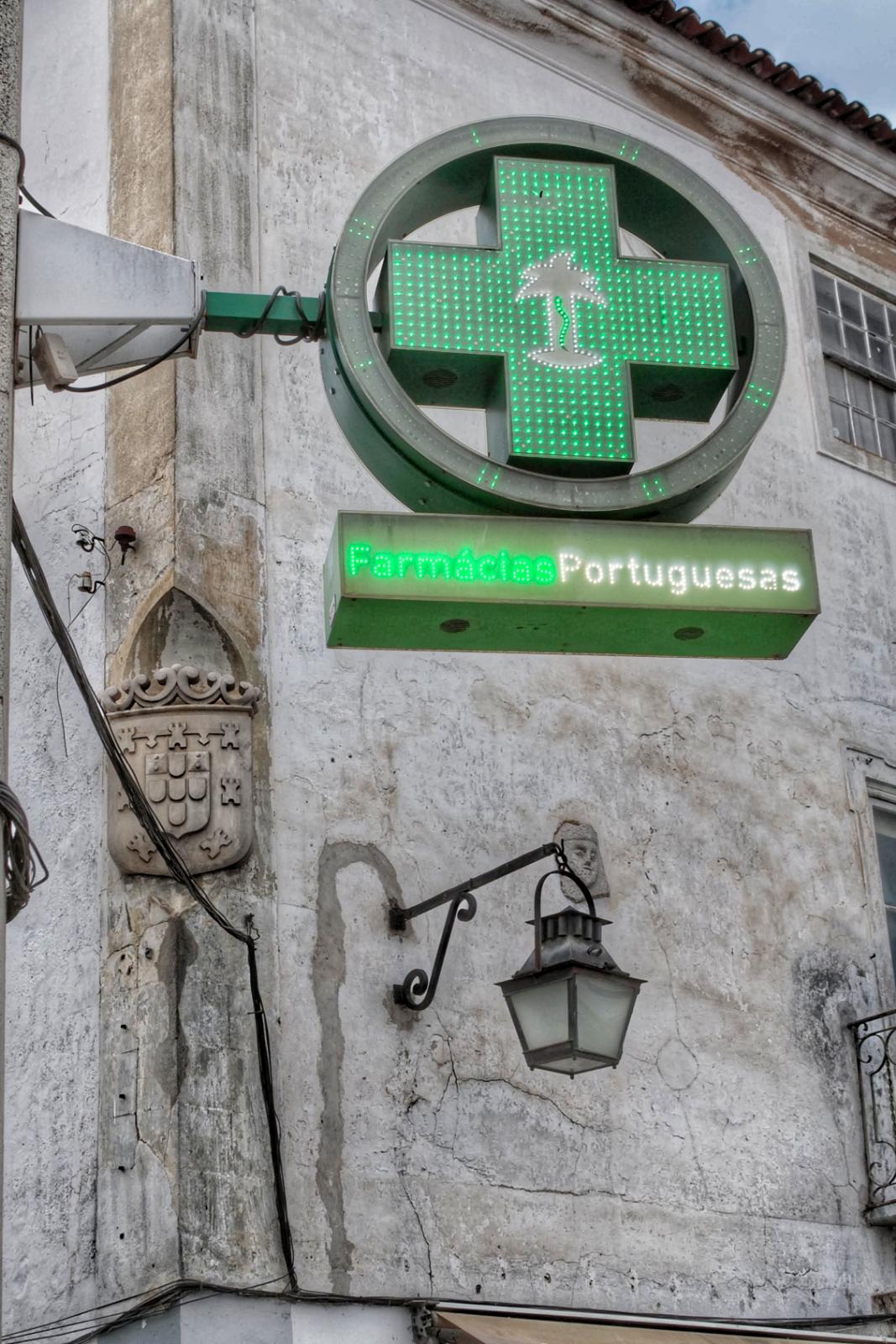
    • First aid kit including ice packs and wraps.  After the hand getting crushed by the ferry bathroom door incident in New Zealand, the falling off the curb and rolling an ankle in Vietnam and slipping down rain-covered stairs in Lisbon, we learned the hard way that you may get hurt while travelling so you need a robust number of supplies to self-treat yourself just in case.  Countries in Europe have pharmacies (identified by a big green cross on the outside) but in other countries like India and Vietnam, you are SOL if you do not plan ahead.  Even the ferry in New Zealand had NO FIRST AID KIT!  That has to be against some law, right? So, depending on where you are going, pack accordingly. Note: ice is not a thing in many countries, thus pack an ice pack, the kind you smash and it gets cold quickly. Otherwise, you’ll be holding a can of Coke on your ankle like Thom did in Vietnam on vacation.
    • OTC meds (especially sleeping aids like Advil PM) because when the party on the street outside your Airbnb just gets going at midnight, you are going to need help getting asleep. Pack those ear plugs too. Or you can just go out and join in the revelry.
    • Day pack to carry the first aid kit, umbrella, raincoat, suntan lotion, snacks, when you take that train ride to Sintra for the day. 
    • Water bottle to refill as needed (remember to go through TSA with it empty!). You can fill up in the many European fountains on the streets. Just check to see if public water is clean and not going to get you sick before partaking.
    • Bluetooth music speaker is a “nice to have” to enjoy music while gazing at the water from your balcony. You can buy really small portable ones so you can stream your music at the cottage in Ireland or the beach.  On Waiheke Island, our Airbnb had a great Bluetooth Bose speaker that we used daily. When we arrived in Portugal on our next trip and there was no such thing provided, we really missed the music at night while we wrote out our stories of the day.
    • Ziplock baggies of all sizes for that lotion that leaks, the seashells you collect, the wet bathing suit you need to pack, etc. Not to mention in Europe, you need a quart size one for your liquids to get through security. 
    • Kleenex-it isn’t the same in other countries and your nose will be hurt by the roughness of local tissues. Pack a few travel packs with you.
    • Downy wrinkle releaser plus does it all and we used it every day on a recent trip. One travel size bottle lasted us for a two-week trip.  Love this stuff! You can dewrinkle your clothes, freshen up your room and even works with ironing clothes if you do that, which I don’t. 
    • Travel blanket/pillow is something I never knew I needed until I bought one and now it is my all-time favorite essential. I can use it was a pillow if needed or unzip the cover and pull out the blanket if I get cold on the plane/train and use it in the hotel room to get cozy. Slips over the handle of your carry-on. Trust me, you want this item!
    • Portable power charger bank you can take everywhere with you to charge your phone when it dies at 10 pm while you are trying to get an Uber to take you home in a rainstorm in London.  

    For a packing list template, go to https://travelswithmelinda.com/packing-checklist/ and for more travel essentials, see my list of recommended items here: https://travelswithmelinda.com/travels-essentials/

    Enjoy the journey!

    Enjoying the River Seine-Girls Trip 2023

    Hop aboard let’s take a ride! There is no better way to spend your first full day in Paris than to take the Batobus hop on, hop off boat down the River Seine. Glide under historic bridges, see all the big museums from a river perspective and, of course, gaze in awe upon the iconic Eiffel Tower. On our Girls Trip 2023, we rode up and down the river enjoying all the sights-what a great way to get around Paris!

    Not knowing what the weather would be like, we waited until we arrived in Paris and checked the forecast before heading out on our first full day with the intent to enjoy a boat ride and see the sights. Pulling up the website on my cell as we walked along the river, I found their nearest stop on www.batobus.com/. Our first planned “hop off” was at the Eiffel Tower. As it was early, we didn’t see any boats on the river yet and sure enough, the boat routes don’t begin until 10 am. You will learn soon enough that in Paris everything starts later in the day then in the US so enjoy sleeping in. Specialty shops are usually open 11-7 with a lunch break taken around 1-2. As many small shops are run by one person, they will close during their lunch hour. Coffee shops don’t open up at 6 am like their American counterparts-more like 7-8 am. Plan accordingly!

    The Batobus ticket office that we found on the river walk wasn’t open yet, so as the boat pulled up to their designated dock, only those who had already purchased their tickets online were allowed on. As fast as I could get the tickets purchased on my cell wasn’t fast enough for the boat ticket taker who took off without us and we waited 20 minutes for the next one, our online tickets secured. We got the one-day pass for $20 euros, which is good for 24 hours from the time you buy it so it could technically span two days with careful planning of the purchase at a mid-day time. Boats run 10 am-7 pm on a designated route with stops at: Eiffel Tower, Invalides, Musee D’Orsay, Saint-Germain-Des-Pres, Notre Dame, Jardin Des Plantes, Hotel De Ville, Louvre, and Place De La Concorde.

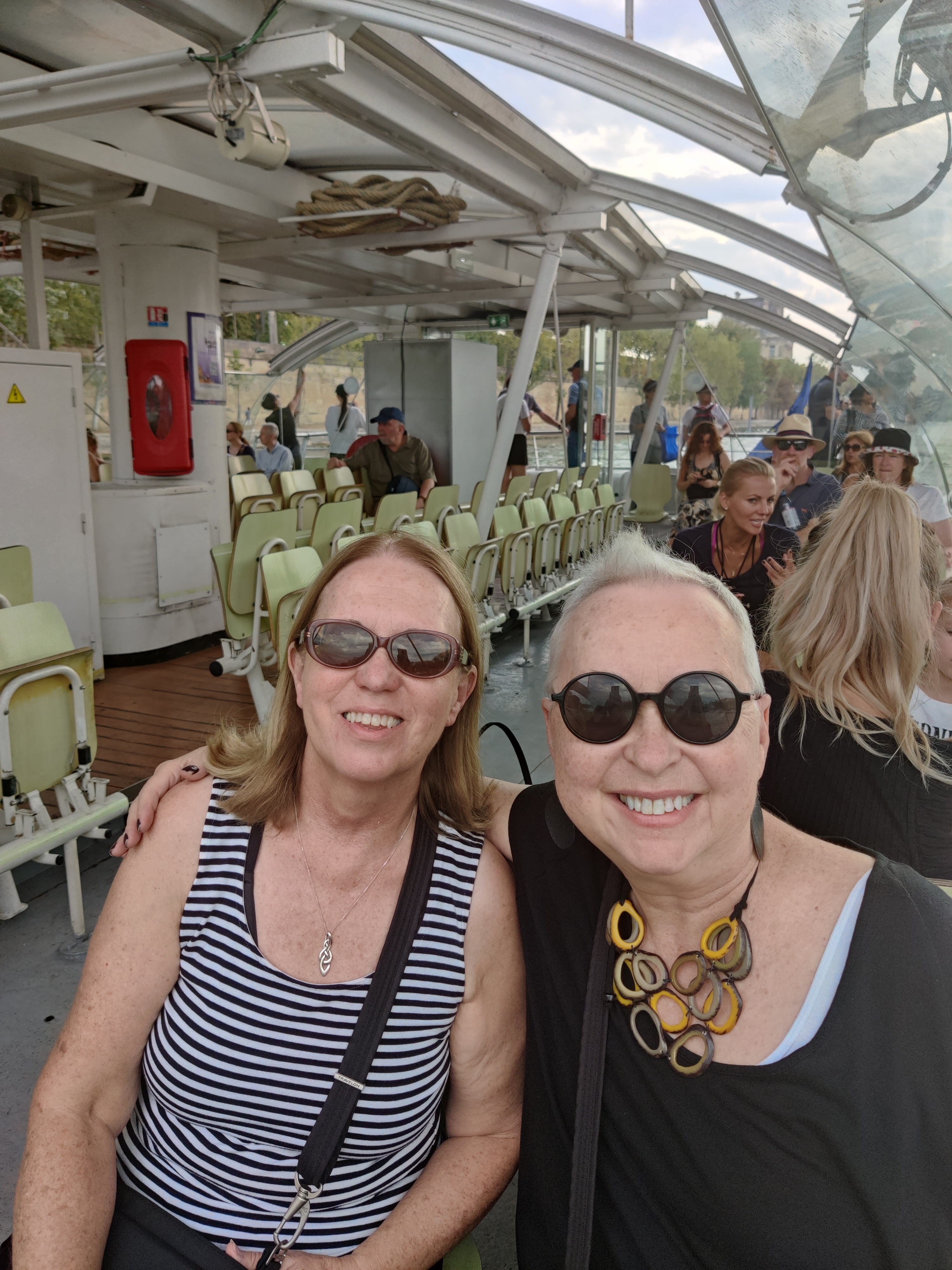
    Travel tip: don’t count on using the facilities on the boats-they have no bathrooms! There are seats under both open roof areas and closed roof areas depending on if you want sun on you or not. It was a hot day when we were there, so we opted for shady seats, going to the back where it was open to take pictures as we cruised by the various sites along the way.

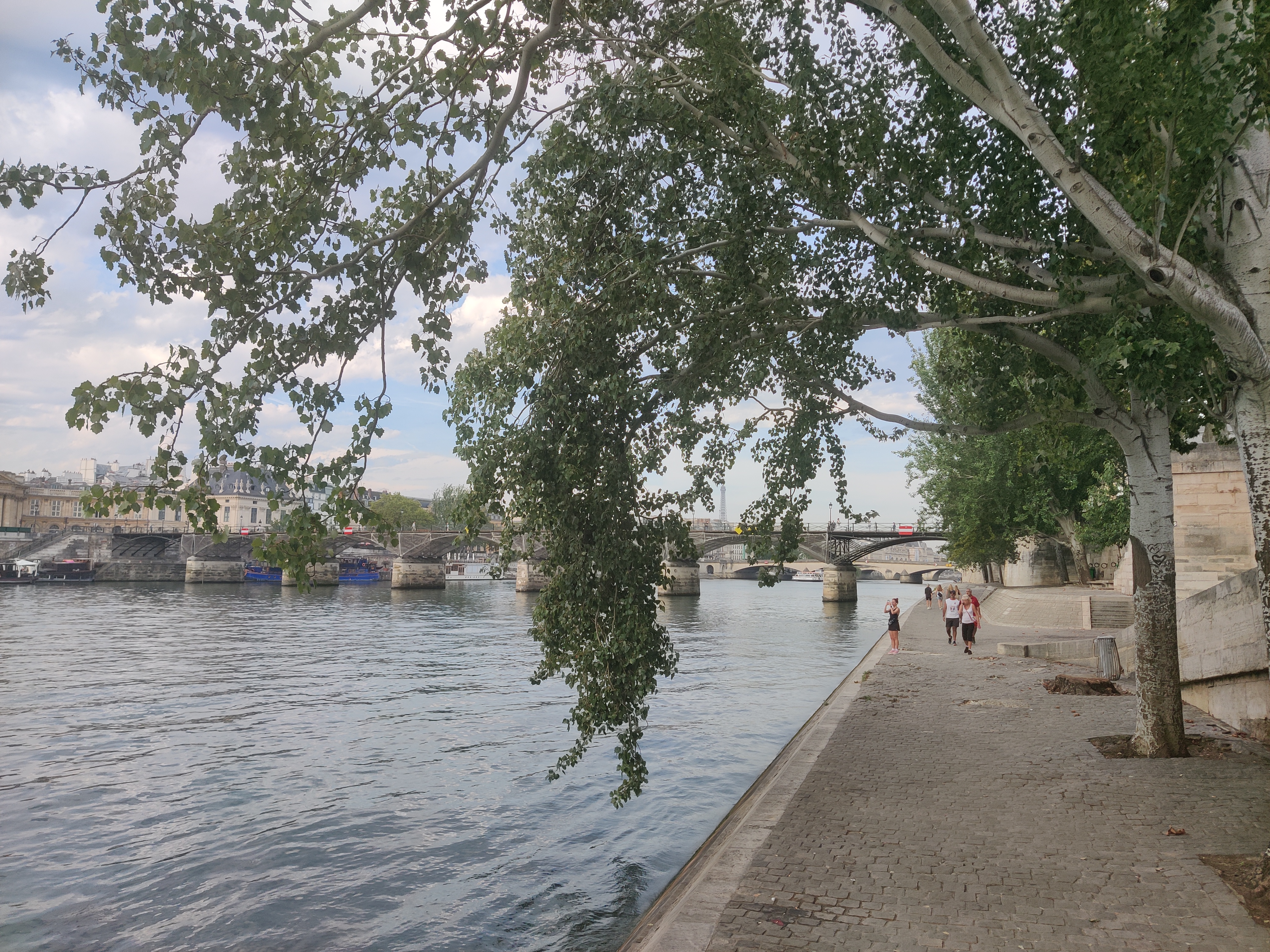
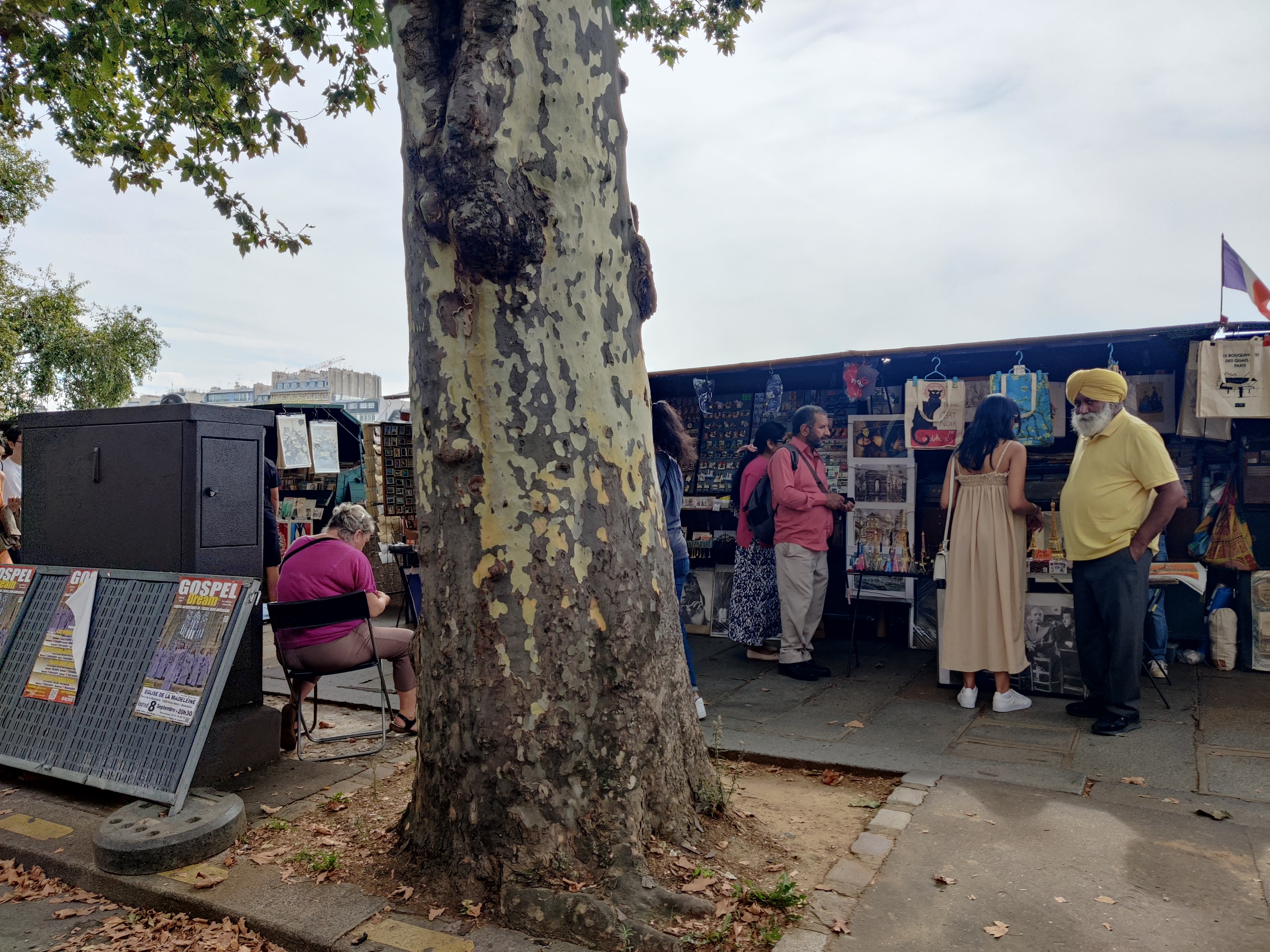
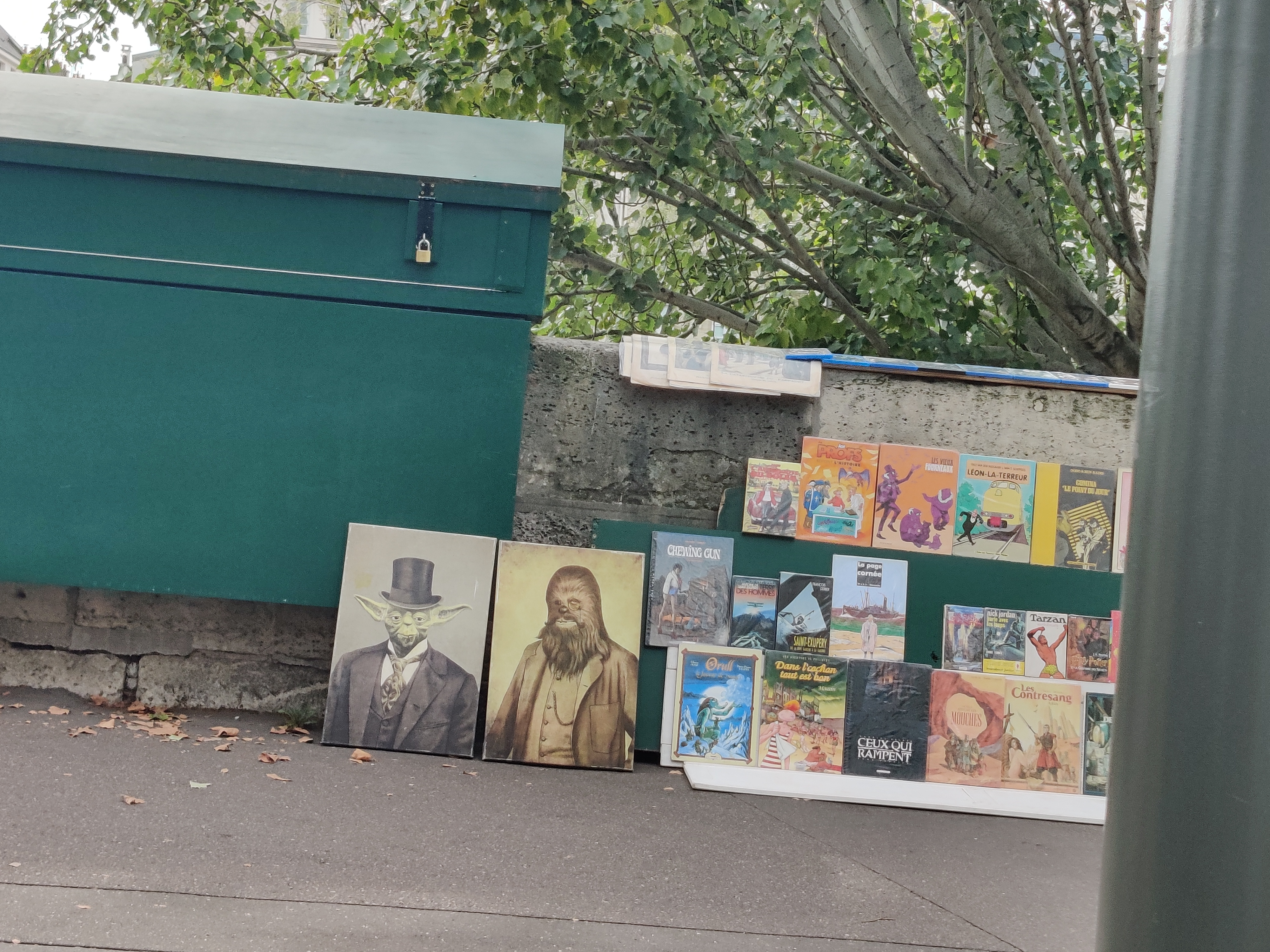
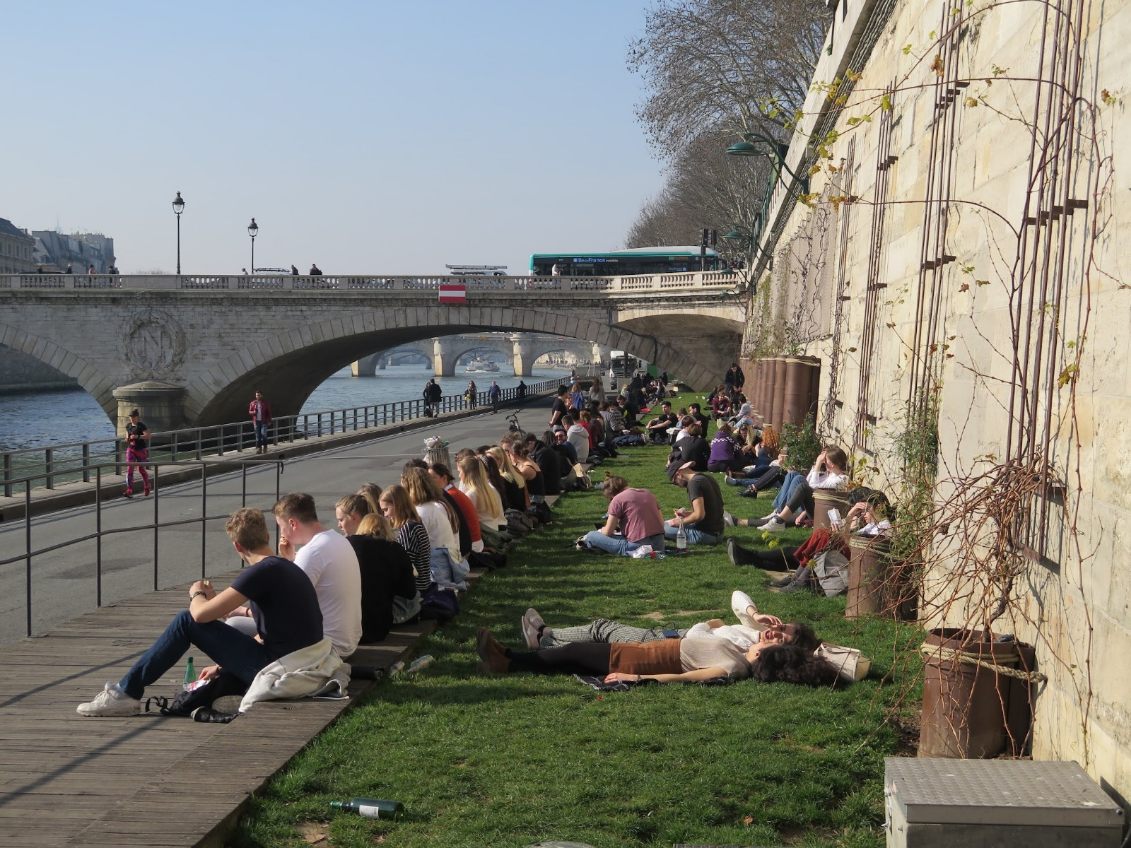
    Depending on the time of year that you visit, you’ll see the local Parisians and tourists lining the banks of the River Seine hanging out and socializing. Bring some food and wine, hope off the boat and join them to watch the world go by on the river and soak up the ambience. Stroll the street level sidewalks by the river in between boat stops to get some exercise and check out the classic green stalls filled with souvenirs, books, art and magazines.

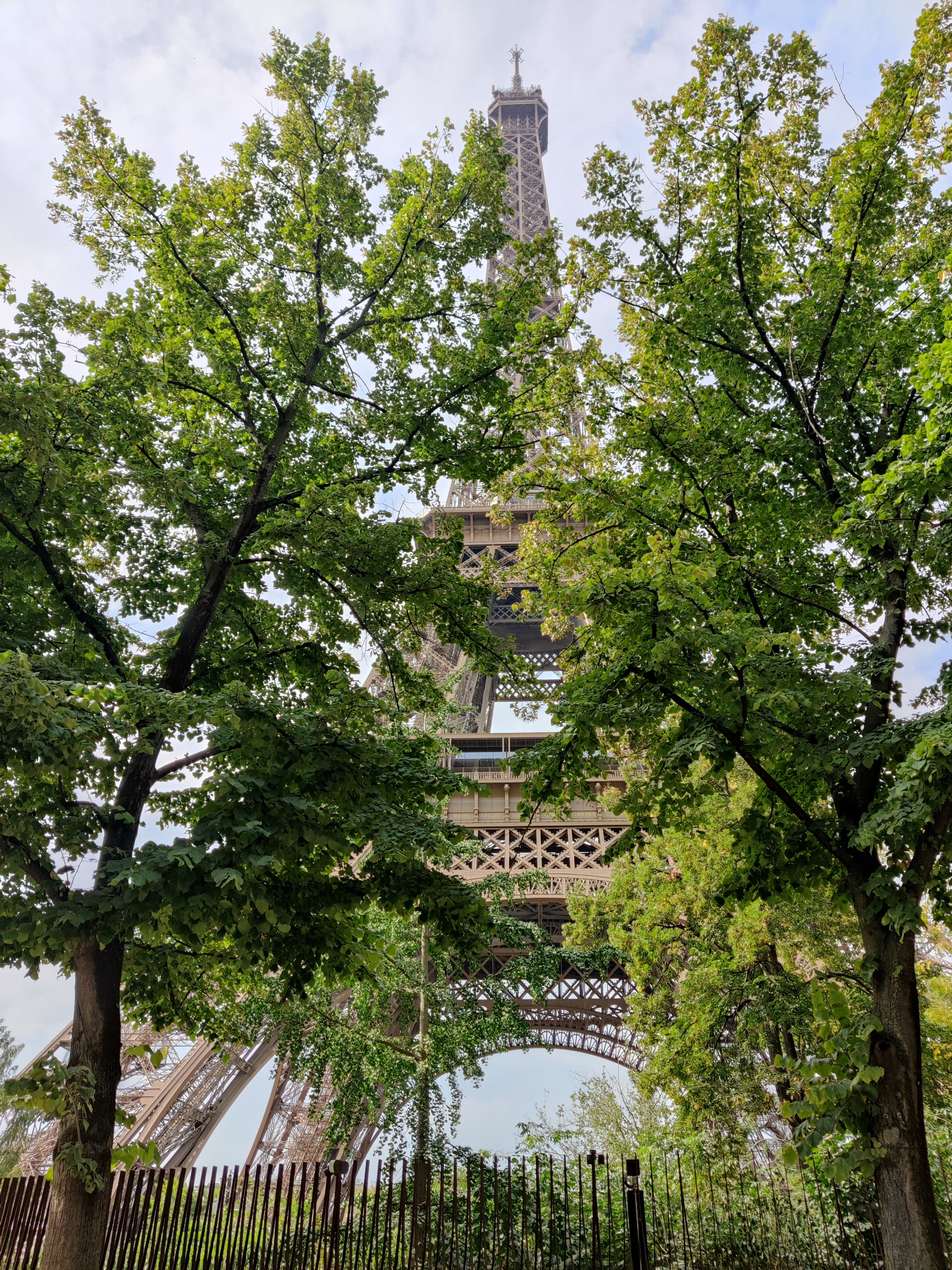
    You can take a really nice shot of the Eiffel Tower as the boat glides by. We hopped off, walked around the Eiffel Tower as best we could since there were lots of fences up and construction going on to prep for the 2024 Olympics. The Olympic countdown clock was near the dock, so we checked it out. I’m excited to watch the Olympics in Paris next year knowing we were just there enjoying this beautiful city. Hopping back on, we went up the river and around the islands in the middle of the river, île Saint-Louis and île de la Cité, which was more on the side of the city where our apartment was located. Plan an all day boat ride or just a few hours, but definitely take a ride on the River Seine while you are in Paris. Enjoy the journey!
    Travel Tips | Money Abroad

    I’ve travelled all over the world and one important travel topic everyone always asks me about is how I handle money when I am abroad. I hope the tips I share below help you. Enjoy the journey!

    Here are the most frequent questions I get and my answers:

    Should I take cash? If so, how much and where do I get local currency before I travel?

    • Yes, you need a little local currency, but I mostly use credit cards.
    • Banks in other countries aren’t necessarily plentiful and aren’t open extended hours. In Italy, we had a hard time finding any open at all given they open late, take a long lunch and close early. They work to live not live to work!
    • Only use an ATM that is inside and part of a bank. Lots of fraud out there at those ATMs in convenience stores and out on the street. Plus, the opportunity for thieves to approach you are higher on the street than if you are in the locked bank ATM booth.
    • I have a local bank in the US that carries most currencies (and can order what they don’t have). I usually like to bring at least $100 in local currency to mostly use at local shops/farmer’s markets. In Italy, you can’t add a tip onto your bill so you need cash to tip. You also need cash to tip any tour guides. You will probably need local coins to use the public bathrooms. If you end up needing more cash while you are traveling, go to the bank ATM.
      • Customers with Bank of America checking and savings accounts can order foreign currency through Online Banking or the Mobile Banking App. Customers with credit cards only can order currency at a financial center. Exchange and Order Foreign Currency from Bank of America
      • I opened up a checking account with a debit card at a different bank (the one that has local currency) to avoid fees when I get US cash exchanged for other currencies and also because that way if the debit card is compromised while travelling, it doesn’t link to my main checking/savings account which is at another bank. Yes, I’m cautious! I keep a minimum balance in this account-just enough to get $100-200 more out when travelling and then I deposit more for the next trip.

    What credit card(s) do you use?

    • I take two different credit cards.
    • I carry a VISA and an American Express. Both earn me points for more travel! Some places do not take AMEX, so you need to have another option. Make sure any credit card you travel with doesn’t charge you foreign transaction fees. Those fees can really add up.
    • My preferred way to pay is to use “tap to pay” with my smart watch that is set up with GooglePay with a VISA as the payment option. This works beautifully in most countries for use with public transportation (UK uses tap to pay for subways and buses) and cafes/shops. This way you are not pulling out a credit card that could possibly get left behind-it happens to all of us!
    • When travelling with my husband, he takes one VISA and one AMEX, and I take a different VISA and AMEX. That way if one of us gets our wallet stolen, we cancel the credit cards that the one person was travelling with and we still have the other person’s cards that are different accounts. Be prepared for the worst situation so it doesn’t spoil your vacation.

    Do I need to call my credit card company before I travel?

    • Probably not but policies vary by company.
    • Often banks will tell you that they don’t need to be notified but my travel companions and I have all had issues with using credit cards being declined due to security concerns the first time we use them abroad. One of my credit card has the following notification on their site (search “travel notification” on your credit card site):
      • You no longer need to let us know when you travel. We monitor your accounts and will send automatic alerts if we detect suspicious activity. Should you need us while traveling, call the number on the back of your card anytime.
      • I would recommend you go to each of the credit card sites that you plan to use and just check what they say about “travel notifications”.

    Now, you are ready to go have a great adventure and not worry about the logistics of spending money abroad. Cheers!

    Travel Tips | Paris Public Transportation

    There is SO much to see and do in Paris that you should put together a plan for your transportation needs BEFORE you arrive. Oh, and pack your most comfortable shoes because walking is the easiest way to get around Paris. What I love so much about seeing Paris by foot is that you never know what you may find around every corner-a musician, street art, or who knows?? Enjoy the journey!

    For our Girls’ Trip 2023, I researched the easiest and most cost-effective ways to use public transportation to supplement our walking just so we don’t get shin splints on our first day! I average about 10 miles a day walking when I’m in Paris but unfortunately, I don’t get that level of exercise at home in Boise where we have to drive everywhere. We are in Paris for a full six days for our Girls’ Trip so, while we will no doubt walk ALOT, we will also want to use the excellent bus and Metro system to supplement getting around Paris. Surface traffic on the busy Paris streets is terrible as it is in most cities. Why waste time (and money!) being stuck in car traffic when there are cheaper and faster alternatives in the form of buses and Metros available all over Paris. I usually only use Uber as a last resort and getting taxis can be very difficult in Paris.

    Two Public Transportation Payment Card Options to Consider:

    NAVIGO DECOUVERTE CARD:

    WHAT IS IT?

    • A multi-use public transportation card (like the Oyster card in London) that covers all of Metro Paris and can be used for unlimited use during a specific time frame on the Metro (subway), RER trains (including to the airport, Disneyland and Versailles), buses (great way to get around and see Paris quicker than taking a car because buses have their own designated street lanes), trams and even the Montmartre funicular unless you want to walk up the 300+ steps

    WHO NEEDS IT?

    • Tourists who plan to use public transportation in Central Paris alot and don’t care about getting any discounts on local attractions (see Visite card below for that) 

    WHERE DO I BUY?

    • Purchase the Navigo Decouverte card at any Metro, RER station or the airport at the Billets Paris et Ile-de-France train ticket window that normally sells tickets and passes
    • You have to provide a color headshot photo 3cm tall x 2.5cm wide (passport photo size) that goes on the card itself.
    • You have to choose a validity zone when you purchase it. To get around the center of Paris, the one for zones 1-2 is perfect.

    HOW MUCH DOES IT COST?

    • 30€ for a week pass which runs from Monday through Sunday plus 5€ fee (non-refundable) for the physical Navigo card itself (no children pricing)

    HOW DO I USE IT?

    • At Metro and RER stations, hold the card against the purple reader zones on the turnstiles or barriers to open fare gates. Keep the card against the scan zone until you hear a sound indicating it has been read correctly to validate
    • As you enter a bus, you will see a Navigo reader machine to tap your card against in order to validate your ride.
    • Failure to validate your ticket every time you use it could result in a fine (I’ve seen 50€ fines!) by security officers who routinely check passengers for validated cards/tickets

    FOR MORE INFO ON NAVIGO CARD GO HERE: Navigo monthly and weekly travel passes | RATP

    VISITE CARD:

      WHAT IS IT?

      • A multi-use public transportation card that covers all of Metro Paris and can be used for unlimited use during a specific time frame on the Metro (subway), RER trains (including to the airport, Disneyland and Versailles), buses (great way to get around and see Paris), trams and even the Montmartre funicular
      • Purchase passes for different period of 1, 2, 3, or 5 days. It is valid from midnight on the first day and ends at midnight on the last day.

      WHO NEEDS IT?

      • Tourists who may only need public transportation for a day or two and would use discount on attractions that come with the card like for the Opera Garnier, sightseeing cruises on the Seine or a bus tour, etc.

      WHERE DO I BUY?

      • Purchase the Visite card at any Metro, RER station or the airport at the Billets Paris et Ile-de-France train ticket window that normally sells tickets and passes. After you buy it, you must write your first and last name on it along with the starting and ending dates of validity. No photo is needed.

      HOW MUCH DOES IT COST?

      • Pricing is by day and by zone and ranges from 1 day in zones 1-3 for $15 US to 5 days in zones 1-5 for $74. Zones 1-3 will all you to travel around the city. Zones 4-5 will get you to Disneyland, Versailles and the airports.
      • There is children pricing with this pass. See online site for more details.

      HOW DO I USE IT?

      • At Metro and RER stations, hold the card against the purple reader zones on the turnstiles or barriers to open fare gates. Keep the card against the scan zone until you hear a sound indicating it has been read correctly to validate
      • As you enter a bus, you will see a reader machine to tap your card against in order to validate your ride. Failure to do so could result in a fine by security officers who routinely check passengers for validated cards or tickets

      FOR MORE INFO ON VISITE CARD GO HERE: Paris Visite travel pass | RATP

      Transportation apps

      • G7 for taxis-have used with some success
      • Uber-works pretty well in Paris
      • Paris Metro for subway
      • Citymapper to get around town-I use this app for walking guidance, but it does show other transportation options as well
      • Rome2Rio for transportation to show all options to get from Point A to Point B-my preferred app

      Helpful links below from RATP (Régie autonome des transports parisiens aka in English as Parisian Autonomous Transport Administration), which is the state-owned public transportation operator.

      RATP site Paris Public Transportation PDF maps:

      Travel Tips | Medical Care Abroad

      Plan for the unexpected! You don’t want to be googling for the nearest hospital or how to call an ambulance during a medical emergency when visiting a foreign country. Trust me-been there, done that!

      When Thom and I both got Covid while in Florence on a trip, the first thing I did was start researching local medical care. I was surprised that they didn’t have the urgent care centers like we do in the US where you can just walk in and see a doctor with no appointment. In Florence, if you need immediate medical care, you have to go to the emergency room at the hospital. Some cities will have medical clinics, some won’t. However, pharmacists are very helpful in European countries. They will talk to you, ask about symptoms, and suggest medications. In Florence, I was able to get several meds that helped us with our mild Covid symptoms. I did have to buy a thermometer and an oximeter in Italy, both of which I now travel with on all our trips.

      After travelling to Vietnam from our home base in China during my work assignment there, we started travelling with a robust first aid kit. Thom rolled his ankle stepping off a curb our first night in Hanoi on a vacation. We quickly found out that there is no ice in Vietnam, at least none that we could find, so he held a cold Coke can to his ankle to reduce the swelling. The pharmacies were not stocked well like Europe, but we finally found a wrap and he hobbled around on our Halong Bay cruise. Now we travel with an instant ice pack and that wrap.

      I decided to write this post to help others when we stayed last month at a quaint Swiss hotel in Chur that was a wood beam concussion obstacle course (see pic above) waiting to happen. If/when Thom knocked himself out after running into a beam, I wondered what I would do. Did I want to depend on the night help that may or may not be staffing the hotel front desk? Do they even have a hospital here in the middle of the Alps? Luckily, we didn’t hurt ourselves on those charming low beams but next time I travel, I will be better prepared and research in advance so if, God forbid, something happens, I can quickly take the appropriate action. I put together the following list to help me and now you to prepare for possible medical issues you may encounter when you travel.

      Practical tips when you are travelling:

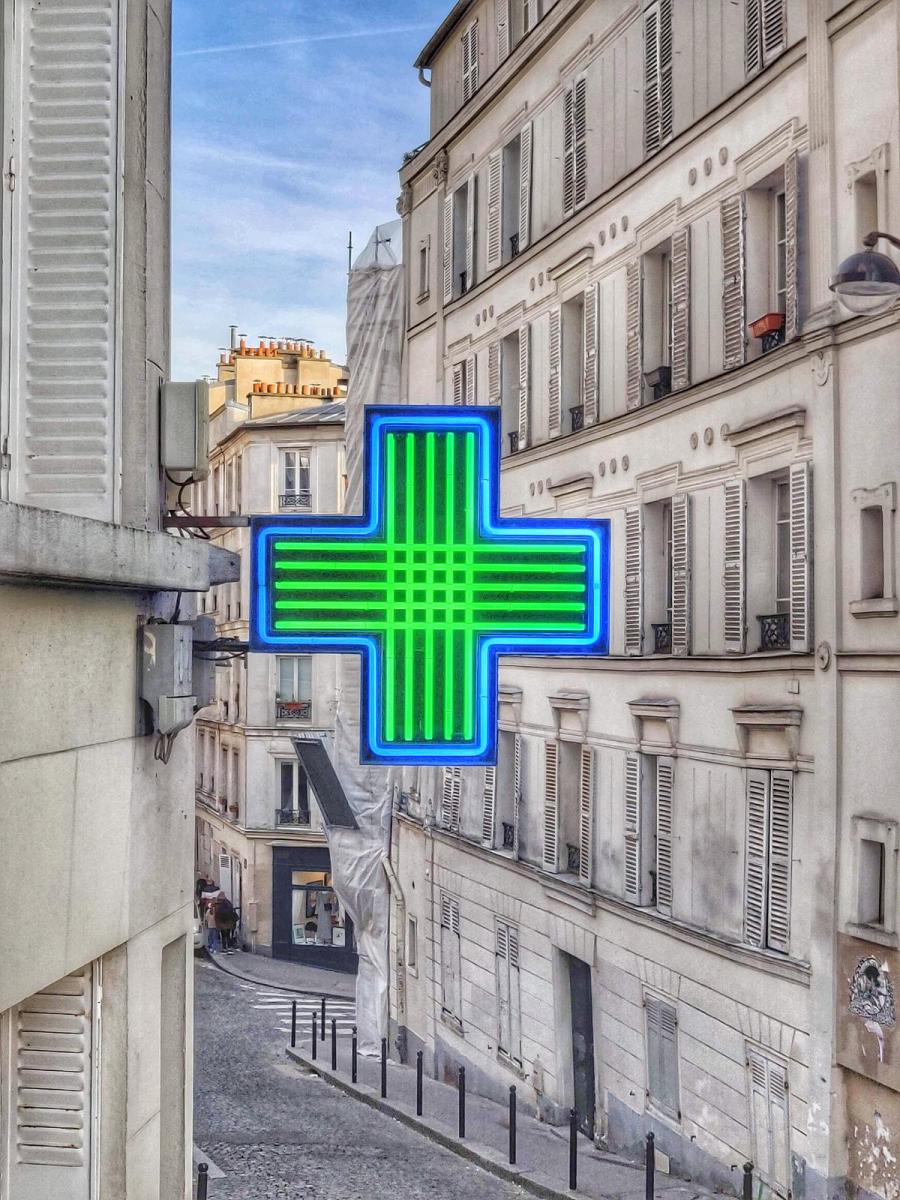
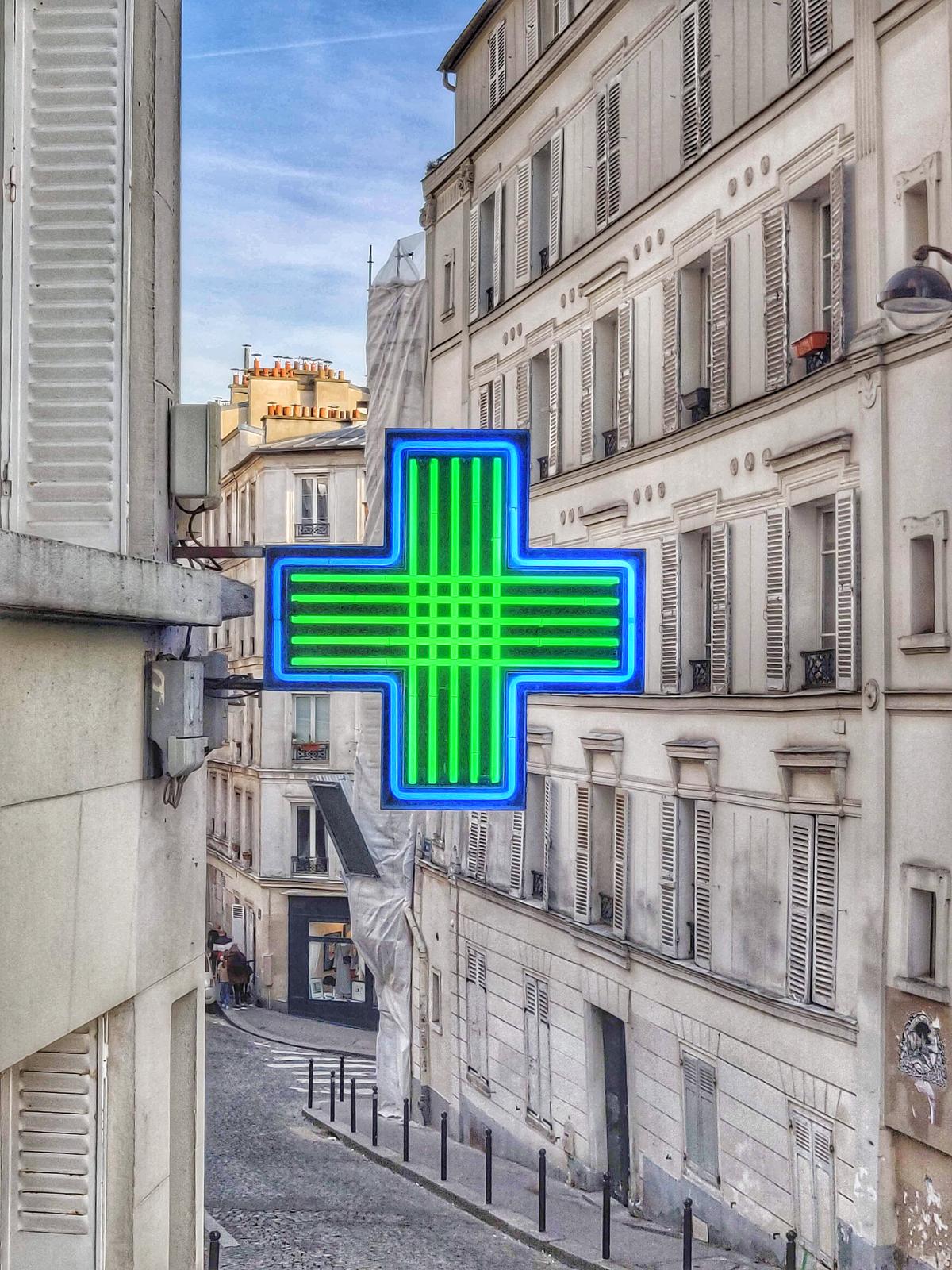
      1. Go to the nearest pharmacy (look for green cross sign-see pictures above) but don’t expect them to be open 24/7 like in the US. European pharmacists act like doctors in many regards and will talk with you, ask questions and can diagnose and prescribe medicine for many simple medical issues like sore throats, muscle pain, migraines, etc. My husband got what he needed from a pharmacist in Basel, Switzerland on a recent trip-easy and cheap! The pharmacist interviewed Thom and gave him meds for a persistent cough.
      2. Call 112 in most European countries for urgent medical assistance (the US 911 equivalent) or call an Uber/taxi yourself and go directly to the nearest hospital if the condition warrants it. House calls might be possible. If you are staying at hotel or an Airbnb, ask the front desk/host to assist you in finding a doctor who can come and see you.
      3. Handling medical costs-Nearly all European countries have a universal health care system. Each country will have different payment arrangements for health care, and it is not all “free” for travelers as some might assume. However, the costs are minimal compared to medical costs in the US for the uninsured. You may be asked to pay out of pocket for any medical treatment. Check your medical insurance policy before you travel. You may not be covered when you are outside the US. If you are on Medicare, it doesn’t cover healthcare during international travel. However, some Medicare Advantage (like Part C) plans may cover certain emergencies if they occur outside the United States. Check out any travel insurance plans and compare before you buy. Notify the company immediately that you purchased travel insurance from if you have to use it for an injury. They can work directly with the hospital/doctor to get bills paid-here are some sites to research:

      Travel Insurance Quotes Online – TravelSafe

      Buy Now | iTravelInsured Travel SE – IMG (imglobal.com)

      Travel Medical Insurance (betins.com

      TRAVEL MEDICAL PACKING LIST

      Prescription meds (preferably packed in labeled original containers) If you forget them, ask the pharmacist for them even if you don’t have a prescription on you-they may give them to you or, better yet, take a picture of your prescription and show it to the pharmacist. Certain drugs in Europe are over the counter and don’t need a prescription like they do in the US. Make sure to follow new directions given as some meds may be stronger than the US version. The pharmacist in Paris gave me prescription thyroid meds that I forgot on a trip and didn’t need any documentation to prove I was taking it. Pack extra meds in case you are delayed.

      Over The Counter Meds:

      Nyquil/Dayquil

      Cough suppressant

      Saline nasal spray-good for preventing bloody noses

      Tylenol or Advil PM (helpful to aid sleeping while adjusting to time zones)

      Suntan lotion and sunburn relief (aloe vera gel)

      Pain reliever: Tylenol and/or ibuprofen

      Benadryl

      Imodium

      Tagamet

      Laxatives or stool softeners

      Motion sickness meds

      Eye drops

      Medical help:

      Antibacterial wipes (clean that airplane seat space)

      Hand sanitizer (so handy when using public transportation)

      Self-adhesive wrap

      Tiny scissors to cut gauze, etc.

      Instant cold pack

      Antibiotic ointment

      Antiseptic to clean wounds

      Band-Aids (all sizes)

      Moleskin (to cover blisters)

      Gauze

      Medical tape

      Calamine lotion

      Tweezers (removing splinters, etc.)

      Thermometer

      Oximeter

      Covid tests

      Face masks-handy for areas with bad AQI and crowded spaces

      Dental:

      Travel Fixodent

      Dental repair kit

      Back issues:

      Blow up pillow for hard seat (trains, concerts, etc.)

      Back brace

      Hair ties to make Denny roll out of towels (for back issues)

      Walking stick (collapsible)

      Salon PAS

      CBD cream

      Knee brace

      Plug in heating pad (after long day of walking, we fought over who got this first)

      Be safe with your travel emergency kit:

      • Make a list of all your prescription meds and take a doctor’s note that explains any prescription opioids or medications with needles. You never know when TSA may ask questions.
      • If you are travelling with kids, keep the first aid kit out of reach and locked.

      With some planning and preparations before you travel, any emergency that comes up that is minor can be handled with your travel emergency kit. For serious illnesses and injuries, seek out medical care immediately. Enjoy a healthy and safe journey!

      Key sites to check out before you travel:

      Go to the US embassy’s site and select where you are travelling and look under the “US Citizens Services” section for medical services information.

      France/Paris https://www.angloinfo.com/how-to/france/paris/healthcare/emergencies/emergencies-in-paris and https://en.parisinfo.com/practical-paris/useful-info/health-in-paris

      General https://wwwnc.cdc.gov/travel/page/health-care-during-travel