Florence-Know Before You Go!

Florence is a magical place. I’ve been fortunate to visit several times and want to share some basic information with others who may be visiting for the first time so you can know before you go!

SUNDAY/MONDAYS-closures

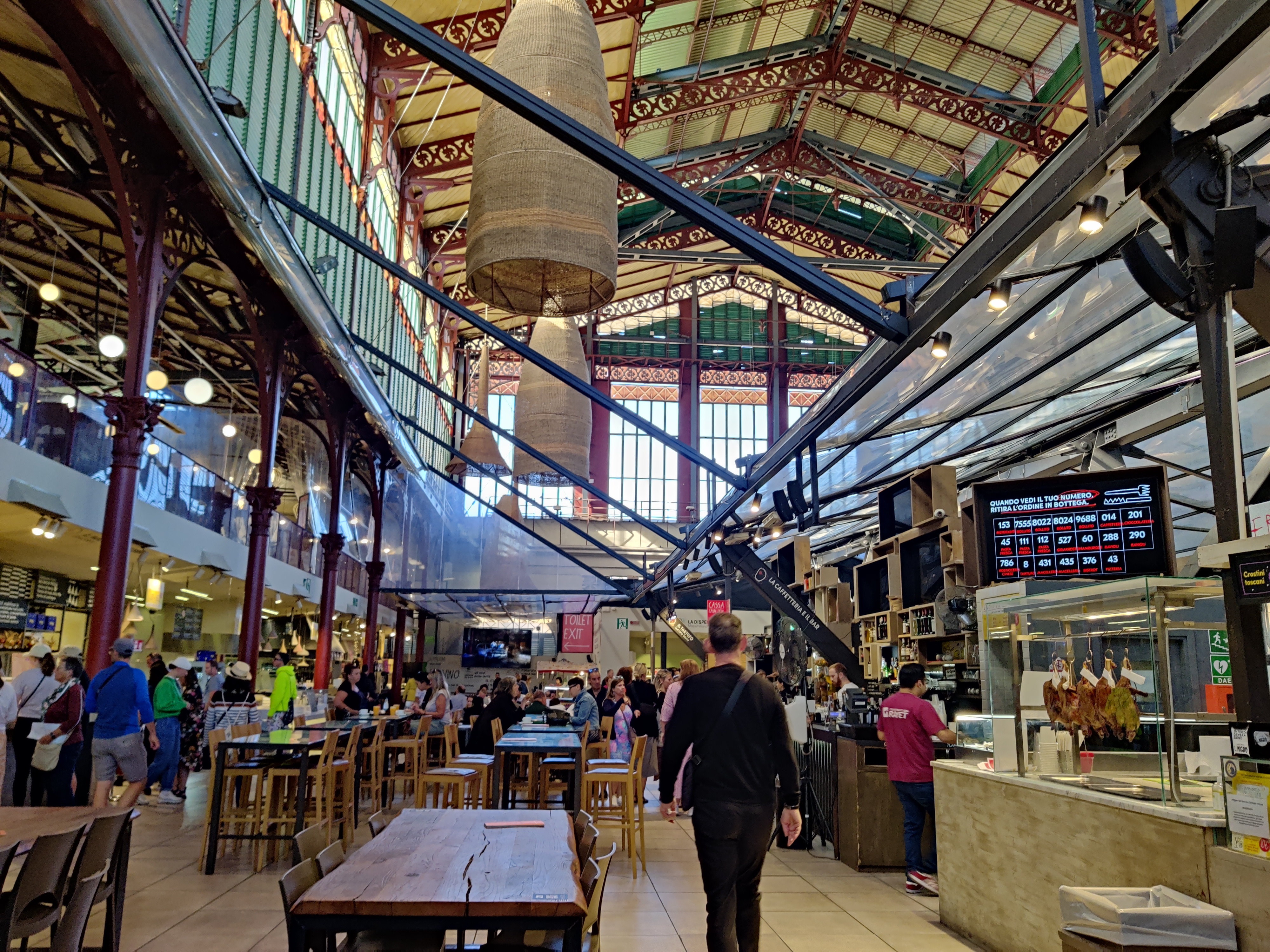
Make sure you check before you go anywhere. Some museums (not all) are closed on Sundays and/or Mondays. Small stores especially in non-tourist areas are also closed. Markets like San Ambrosia are closed Sundays but San Lorenzo was open and busy on a Sunday. We enjoyed the market of artisans on the Piazza by the train station, Piazza Sante Maria Novella. Thom chatted with an artisan who made Thom a fine leather bracelet to fit on the spot. Travel from there to San Lorenzo market, also open on Sunday, where you can shop at the many stalls all around the market itself and then go in and eat at Mercato Centrale which has a huge variety of diverse cuisine to choose from and tv’s to watch the local football aka soccer games. Do a little research before you set out to Florence and you won’t be disappointed!

MAILING POSTCARDS

Mailing postcards to our grandkids during each country’s stay is a must for us. It’s easier in some countries than others. Here in Italy, it’s a process. First, finding postcards in the tourist area is easy! I paid 50 cents for really nice ones. We like to mail postcards from everywhere we go to not only our family but to ourselves. There are some really artistic postcards out there that are a lovely souvenir when you get home. We framed ours and hung them on the wall. Then, go to the local bar/convenience store where they sell things like cigarettes, lottery tickets, and stamps. Each stamp to mail postcards to US cost me $2euros. Postcards written and stamped, now where to mail? I stopped a postman that was delivering mail on our street, and he spoke some English but couldn’t mail my postcards. He said they would sit in his office for a while (??) and it would be faster for me to find a red mailbox on the street and use that to mail them. So, off I went to a tourist section to find one. Nope-none to be found. While I was at a hotel trying and failing to get a reservation at their fabulous rooftop bar, I walked through the lobby like I was staying there and handed them to the concierge and asked “mail?” and he nodded. Score! Later as we walked the streets of Florence looking for street art, I did start seeing the red mailboxes hung on buildings. Now I know!

GETTING AROUND FLORENCE-Building numbers in red AND blue

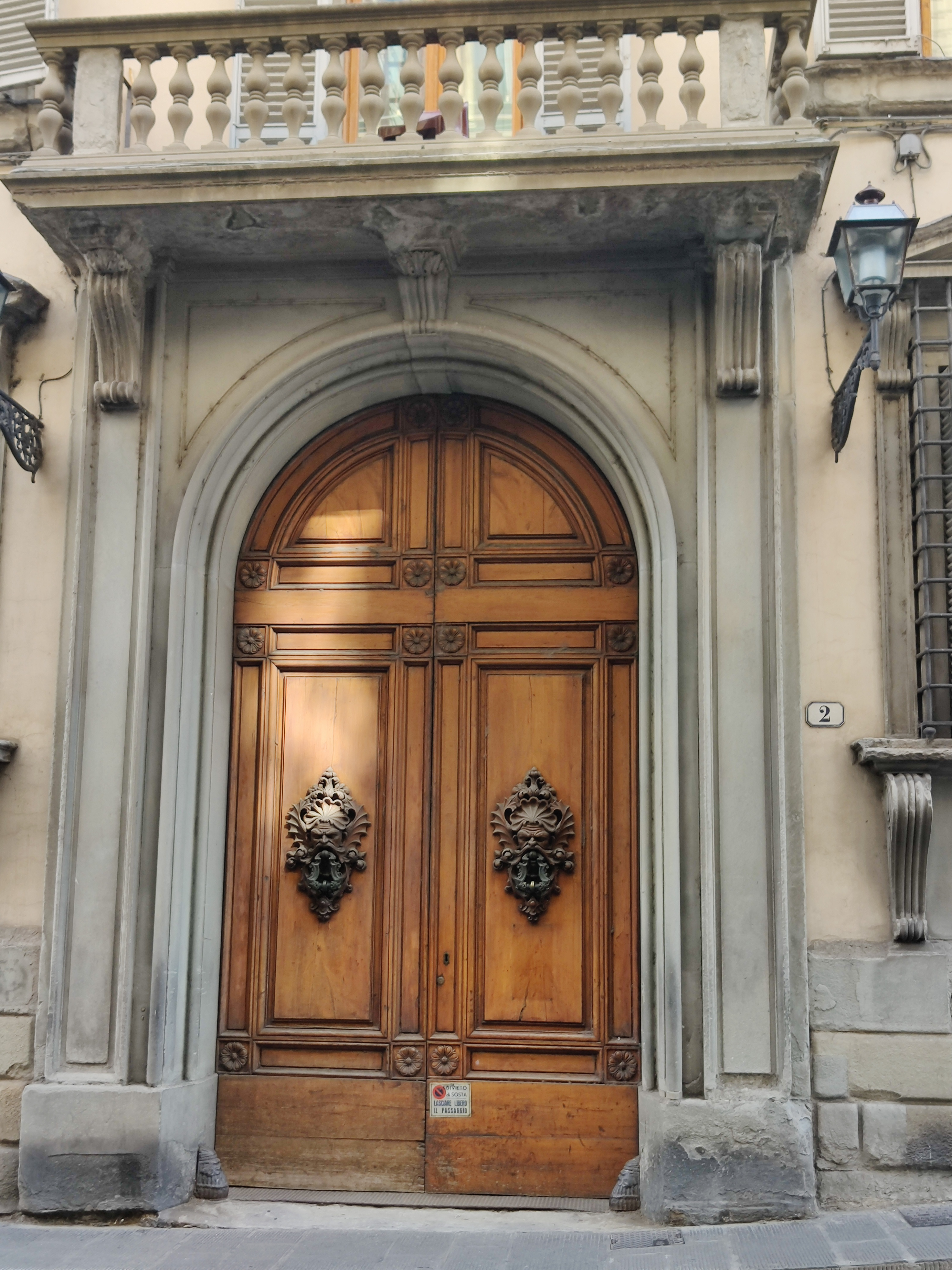
I was having a hard time finding an artisan jeweler even though I had the address. After wandering for a while, we noticed as we walked down the street that each doorway had either a blue number on their doorway and/or a red number. These numbers are not sequential with each other; however, the red numbers are sequential, and the blue numbers are sequential. When I finally found the jewelry store, the artisan explained that businesses are given red numbers and residences and hotels are given blue numbers. Then, I looked at the address she has listed on her social media, and it clearly states “28R” aka “28 Red” after the street name. Ahhh! Now I can find my way around Florence and so can you! And, FYI, there are condom machines hung on buildings to keep the Florentines safe. I saw more of these than the red mailboxes.

TAKING THE BUS IN FLORENCE

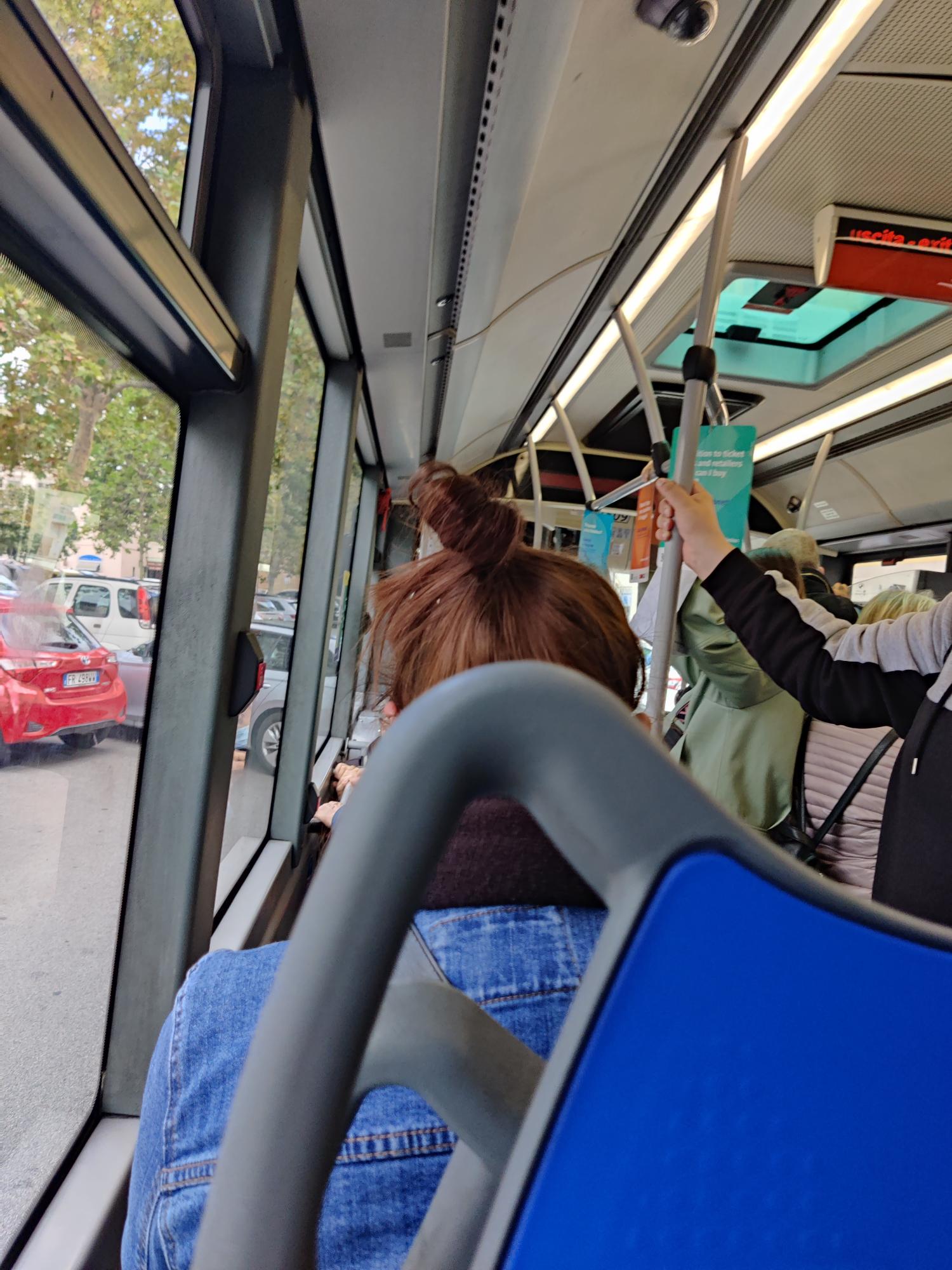
There is no Uber in Florence. Taxi apps did not work for us despite repeated attempts. Bike rentals are possible but there aren’t bike paths. With the cobblestone streets and frantic drivers, I would not recommend bike riding. You could take a carriage ride in the tourist area, but I only saw one of these, so this service is fairly limited and probably very expensive. The public transportation to take in Florence is trams or buses or a limited subway. Buses run on schedule and get you where you need to go. Unfortunately, you can’t just tap on and off with your phone like you can in the UK. Italy has not quite caught up yet with current technology. You have to buy a paper ticket at a Tabac aka convenience store/bar. One ticket is $1.50 euros and are valid for 70 minutes from the time you validate them on the bus except in Florence where it is valid for 90 minutes. Who knows why??

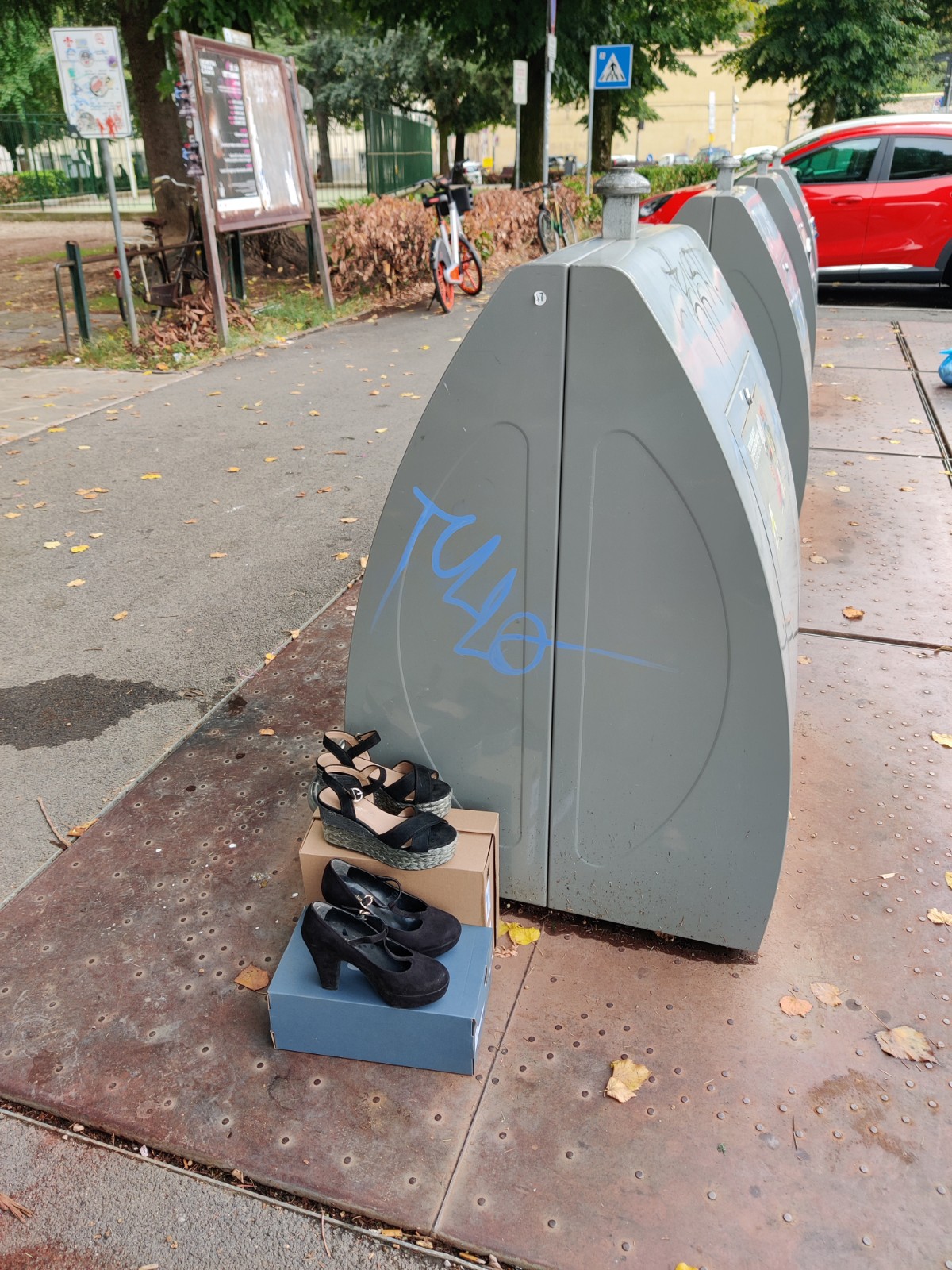
Use an app to find a bus stop and times and routes. The Moovit app works well in Italy or Rome2rio app is good too. Some bus stops have an electronic reader board with bus numbers and estimated time of arrivals. Who knows-when you go to the bus stop, you may even find a new pair of shoes-the locals like to share items there that they no longer need. Our local bus stop had paper bus schedules taped on and could be outdated. I would recommend using an app. To validate your ticket, there will be a machine near the front of the bus as you enter. Stick your ticket in with the “please stamp here” end going in first. This will stamp your ticket with a date and time. Take your ticket out and keep it.

There are transportation strikes. Everywhere and any time. Leaving Florence, we saw notices of strikes taped at the bus stops. Just go with the flow and have a backup plan like walking, which is the easiest and fastest way to get around Florence. Enjoy this magical place!

Piazza Navona and Pantheon, Rome

The key to seeing all the incredible sights in Rome is to carefully craft your itinerary to visit sights that are near each other. Not that I don’t love walking 20,000 steps a day but that takes time and when you only have a few days in one of the most amazing cities in the world, you have to be strategic.

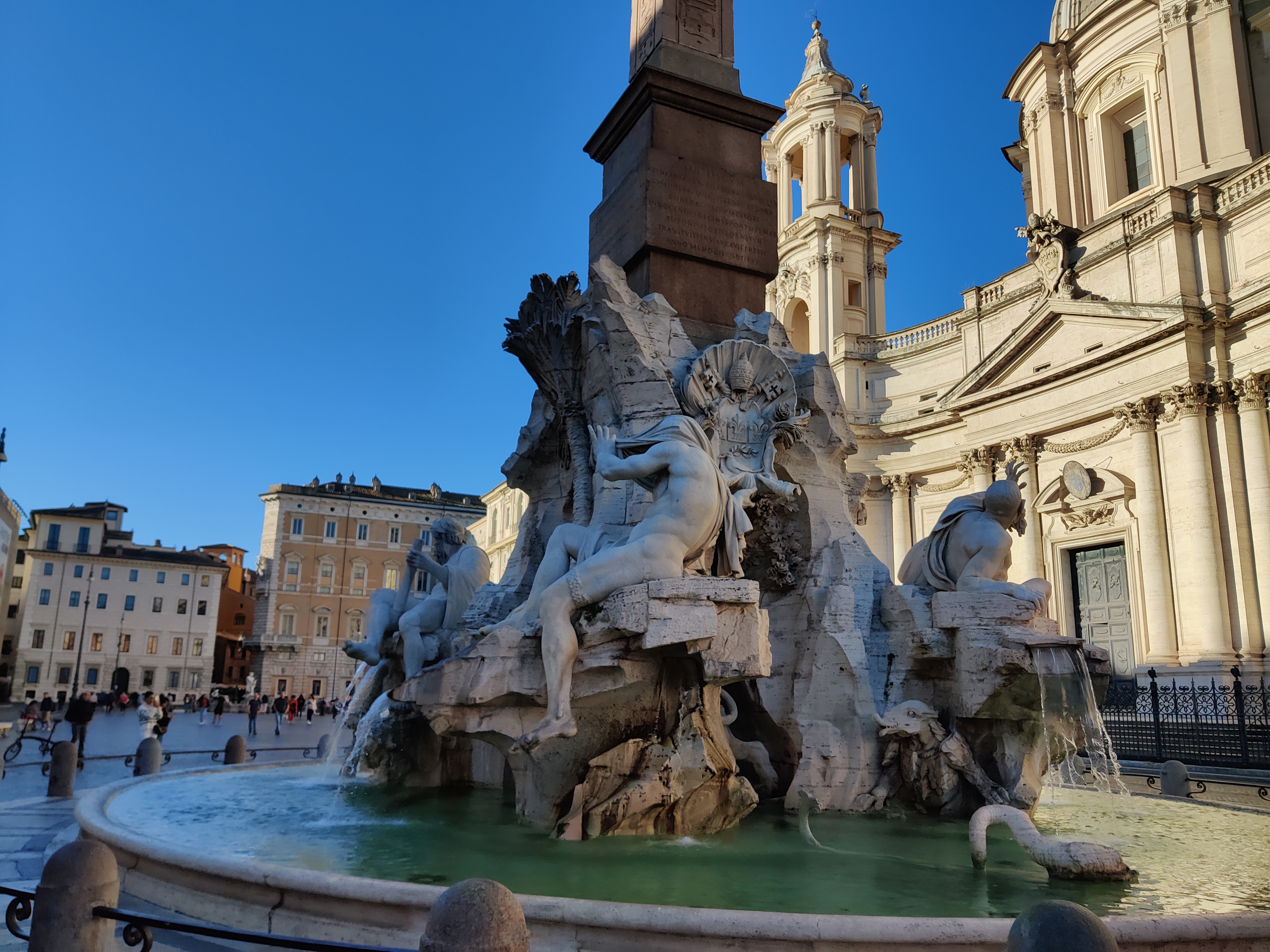
We walked from our hotel to the Piazza Navona, a “must see” site in Rome that is a Baroque period square that played a starring role in the Angels & Demons movie (2000). Of course, we had to watch this movie again just before visiting in order to refresh our memories. The square was fairly quiet when we visited in the morning-no attempted murders happening like in the movie. Bernini’s Fountain of Rivers created in the 1600’s is the centerpiece of this site and rightly so-it’s beautiful. We walked around enjoying the details from every angle, as did several nuns who were out and about early like us. While you are there, also check out the Church of Sant’Agnese in Agone in Piazza Navona. We tend to walk into any church that will let us. They are all beautiful.

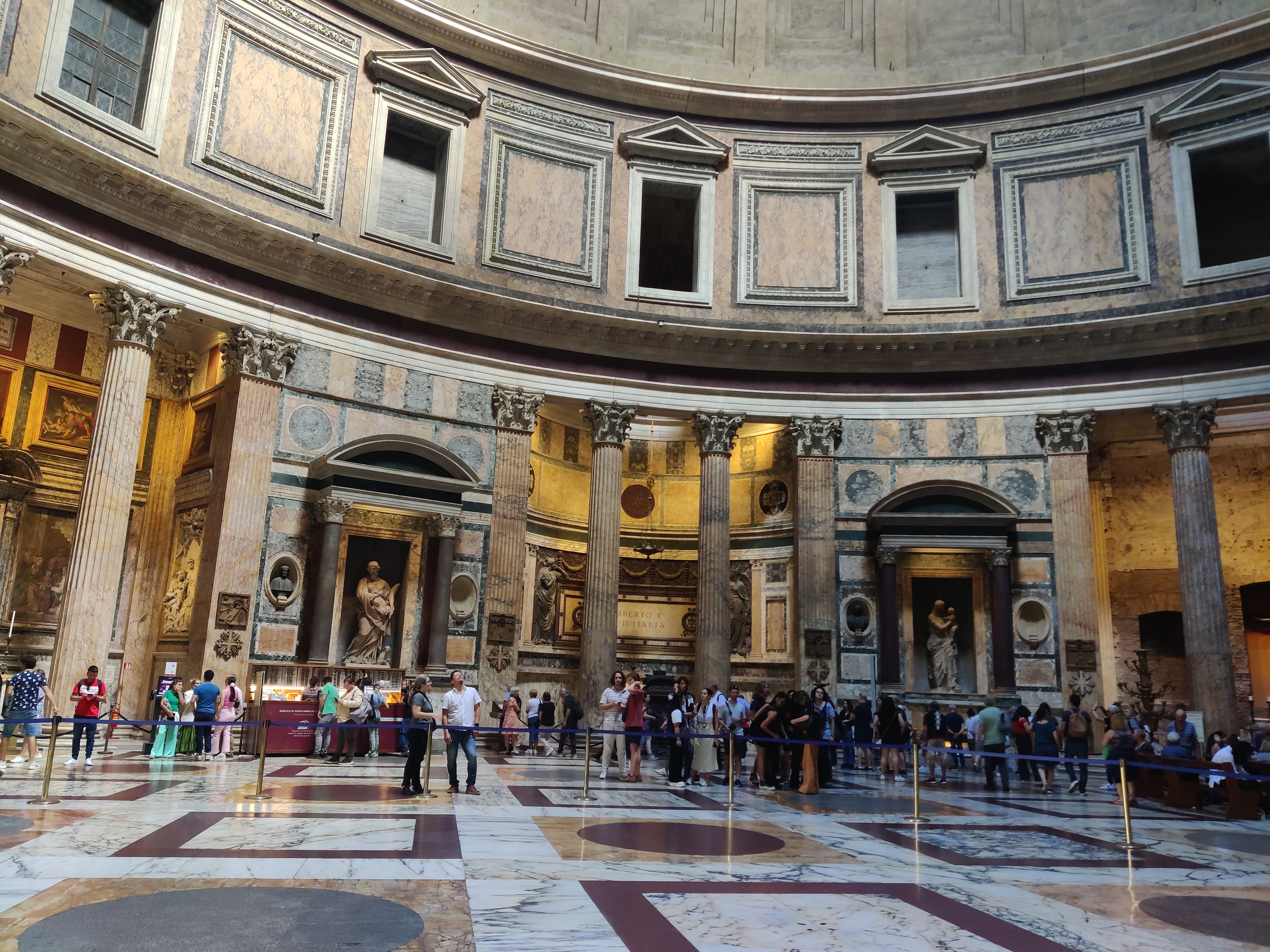
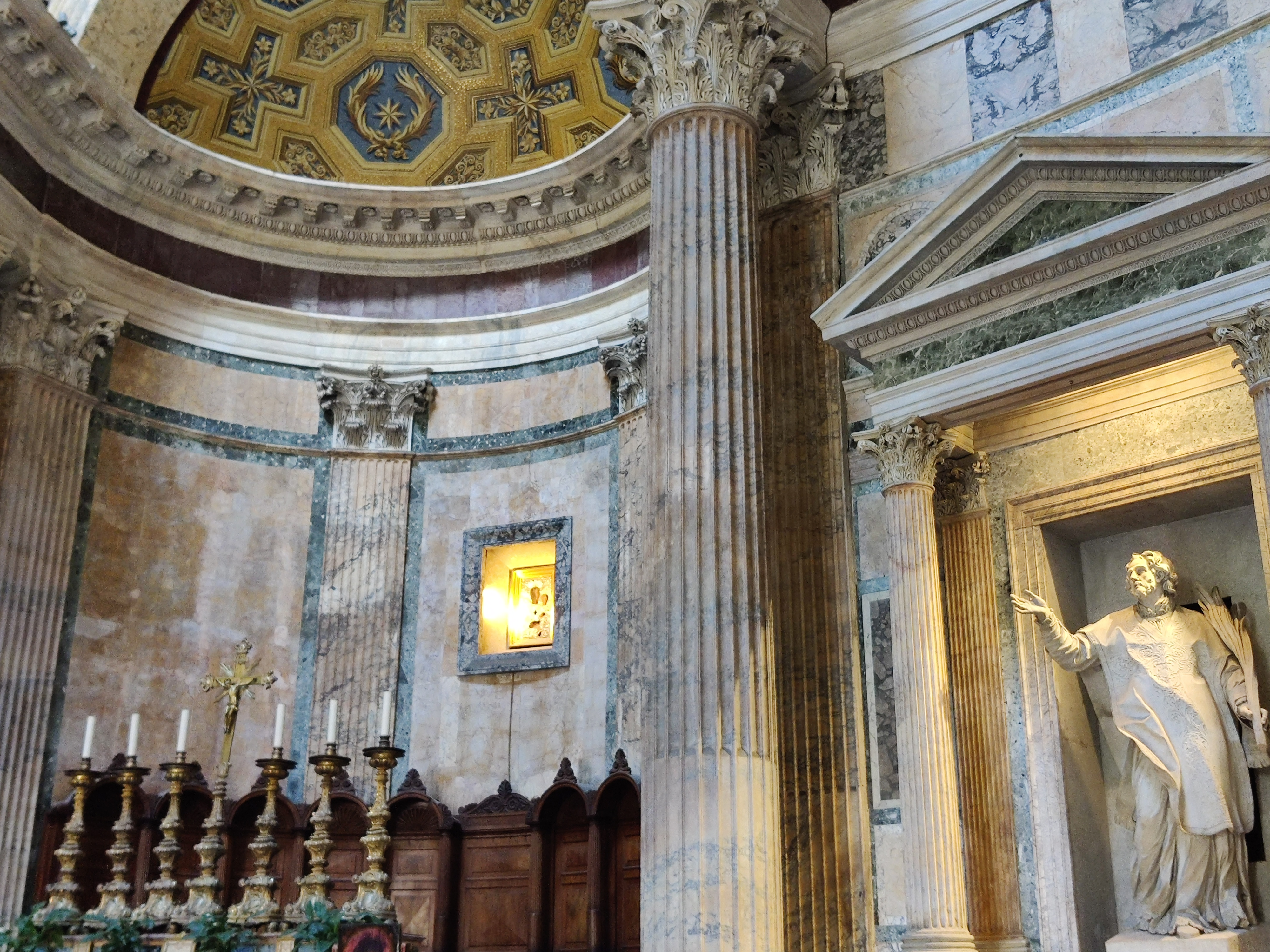
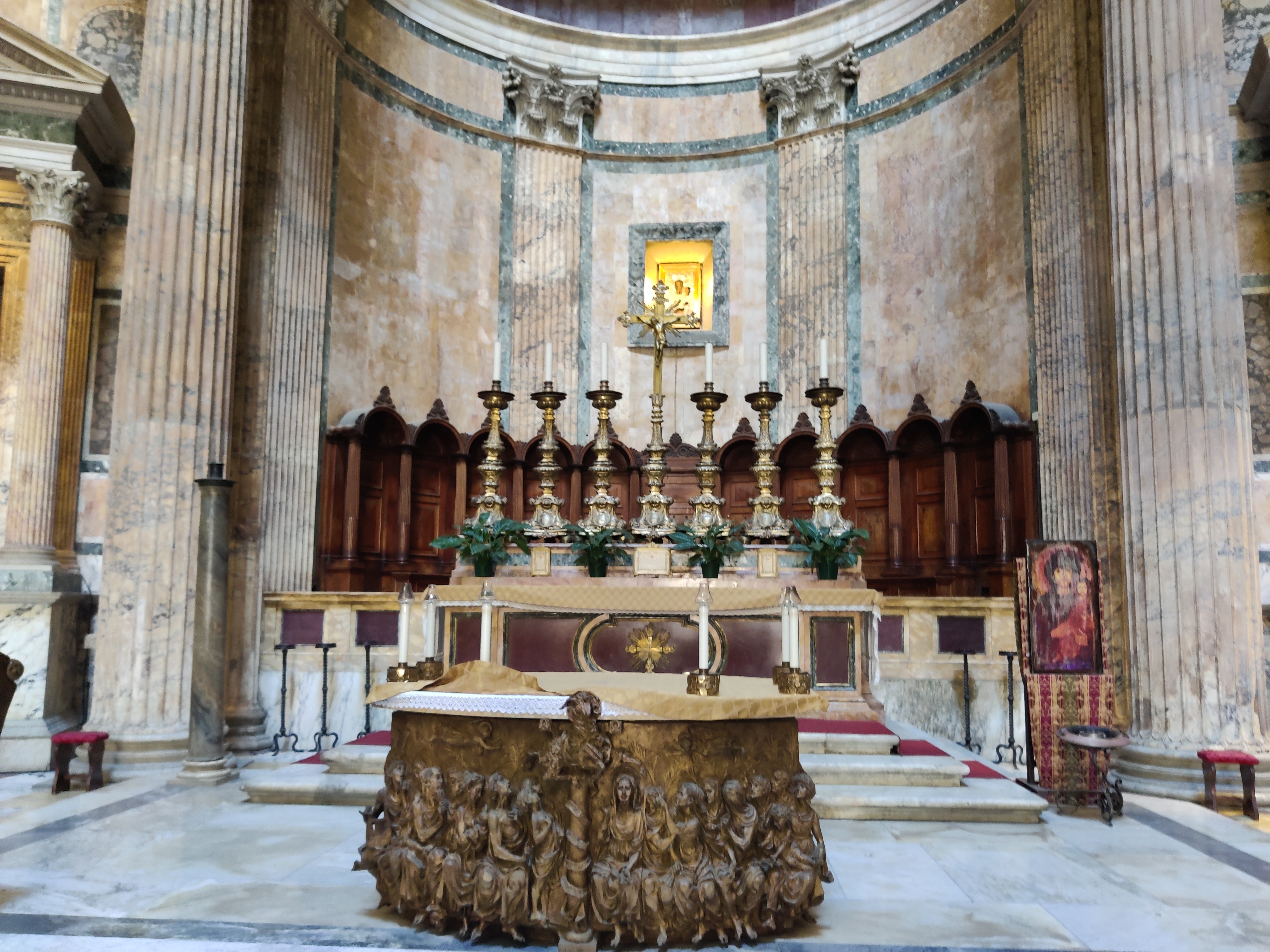
Walk from one side of the Piazza to the other and keep on walking for about 5 minutes to the Pantheon. Another free historical site that shouldn’t be missed. You may have to queue up (we waited maybe 15 minutes) to get in and there is the usual church dress code to maintain (no bare shoulders). I had forgotten and had worn a sleeveless shirt over a tank, so I improvised and took off the outer shirt and wrapped it around my shoulders-it worked! The Pantheon is a Catholic church and mass is celebrated on Sundays and holy days of obligations. I imagine attending a service would be a great memory, as would getting a guided tour with a guide who can share all the history.

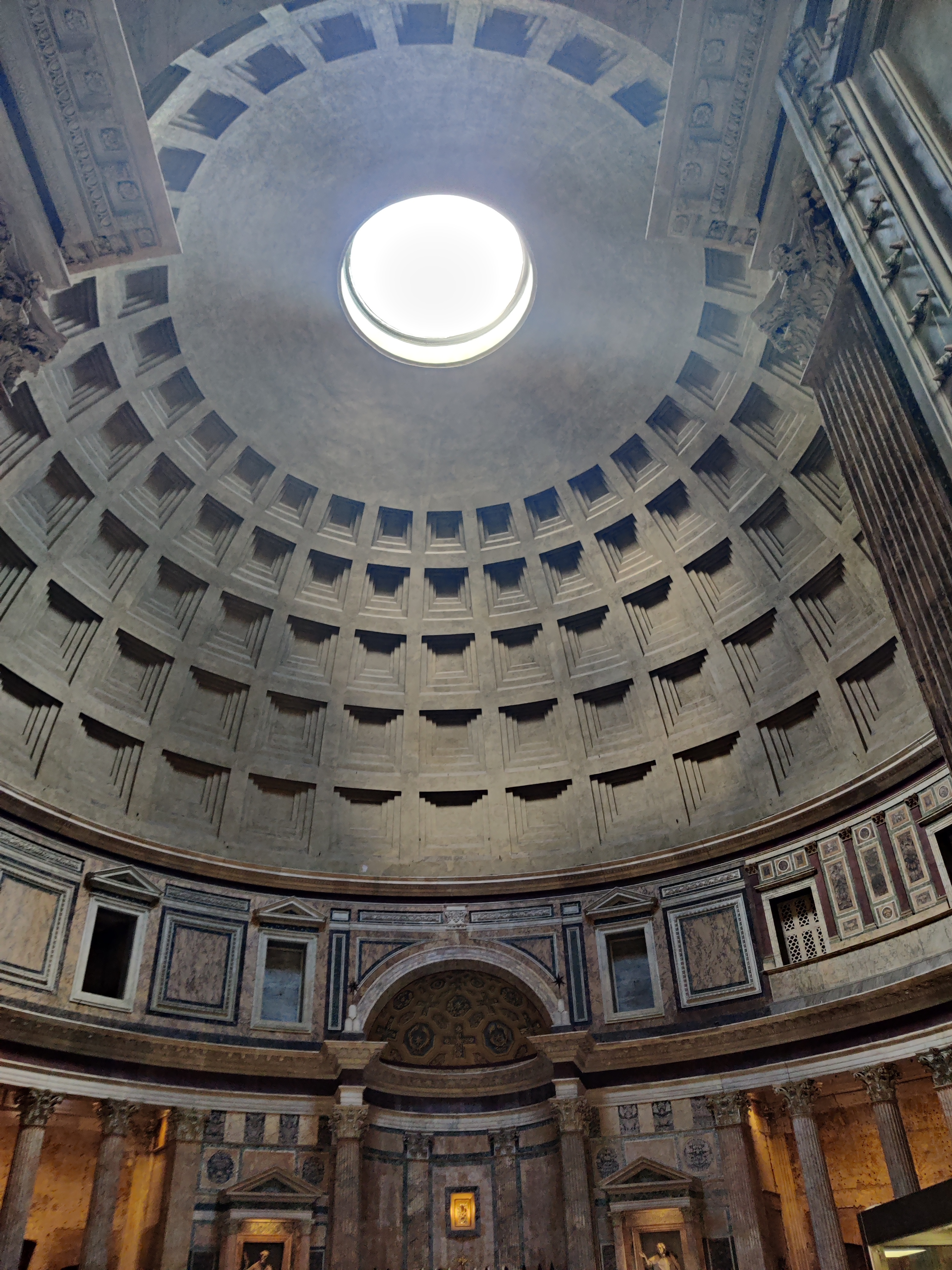
Entering the Pantheon, you should immediately look up. The rotunda with the massive, coffered concrete dome ceiling with a central opening aka oculus to the sky is the showpiece.  Amazing architecture and engineering built how many years ago?? Fun fact from wikipedia: Almost two thousand years after it was built, the Pantheon’s dome is still the world’s largest unreinforced concrete dome.

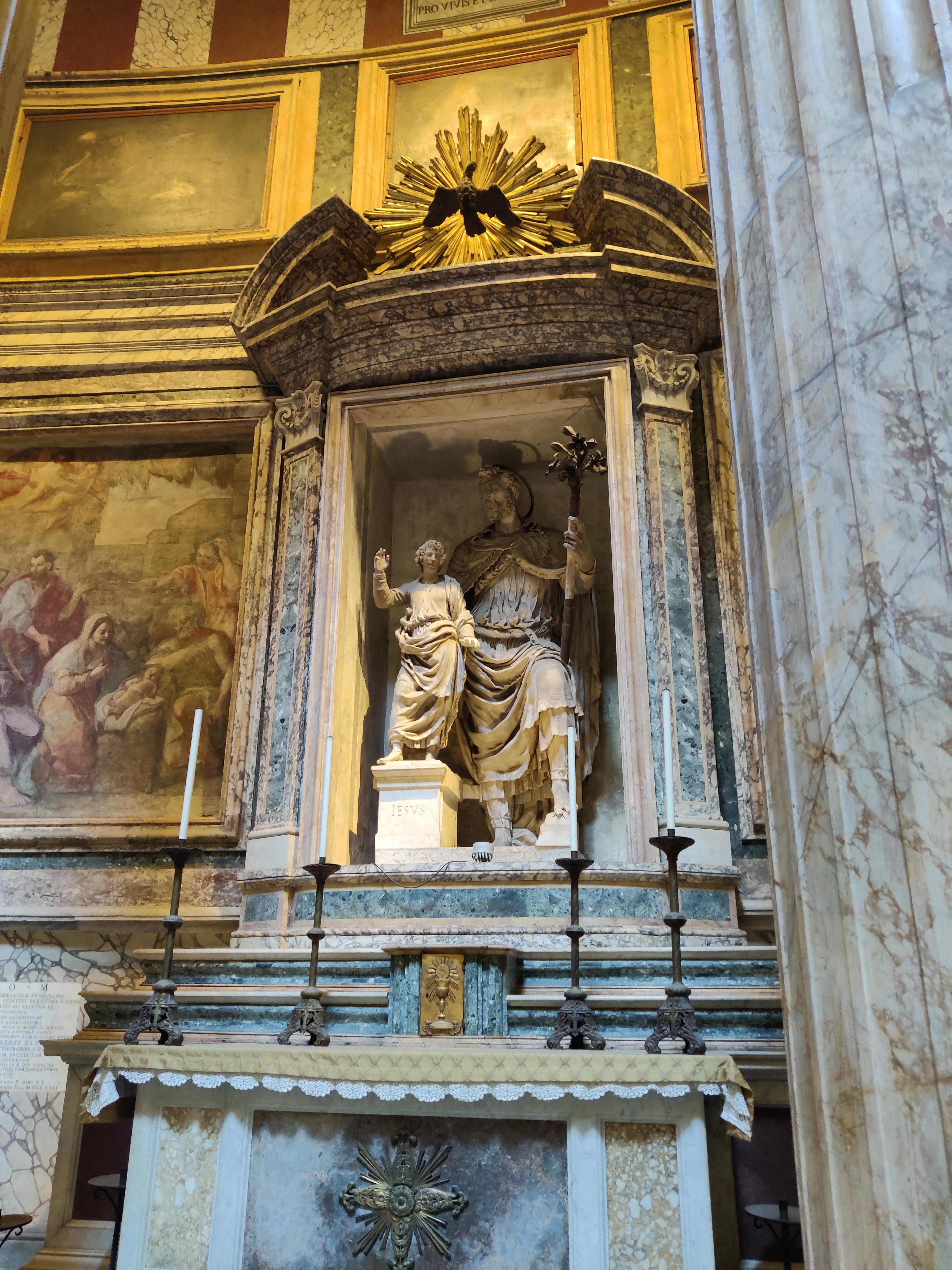
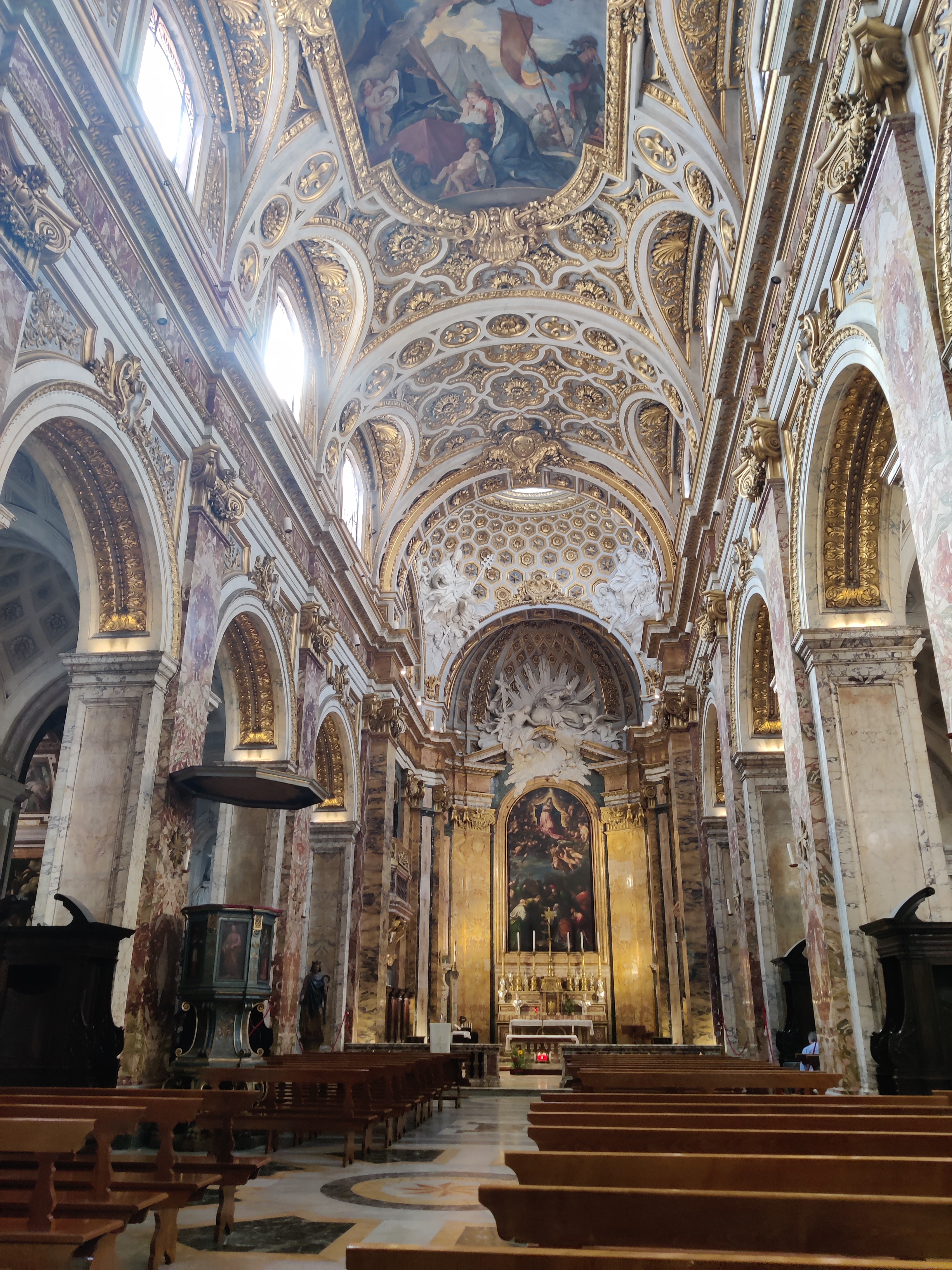
After the Pantheon, we wandered around and stumbled upon yet another fabulous church nearby that was open for exploring. Basilica of Santa Maria sopra Minerva is stunning (see photos below). Definitely worth a stop in to see and appreciate the gorgeous ceilings.

Colosseum, Roman Forum, and Palatine Hill-Rome

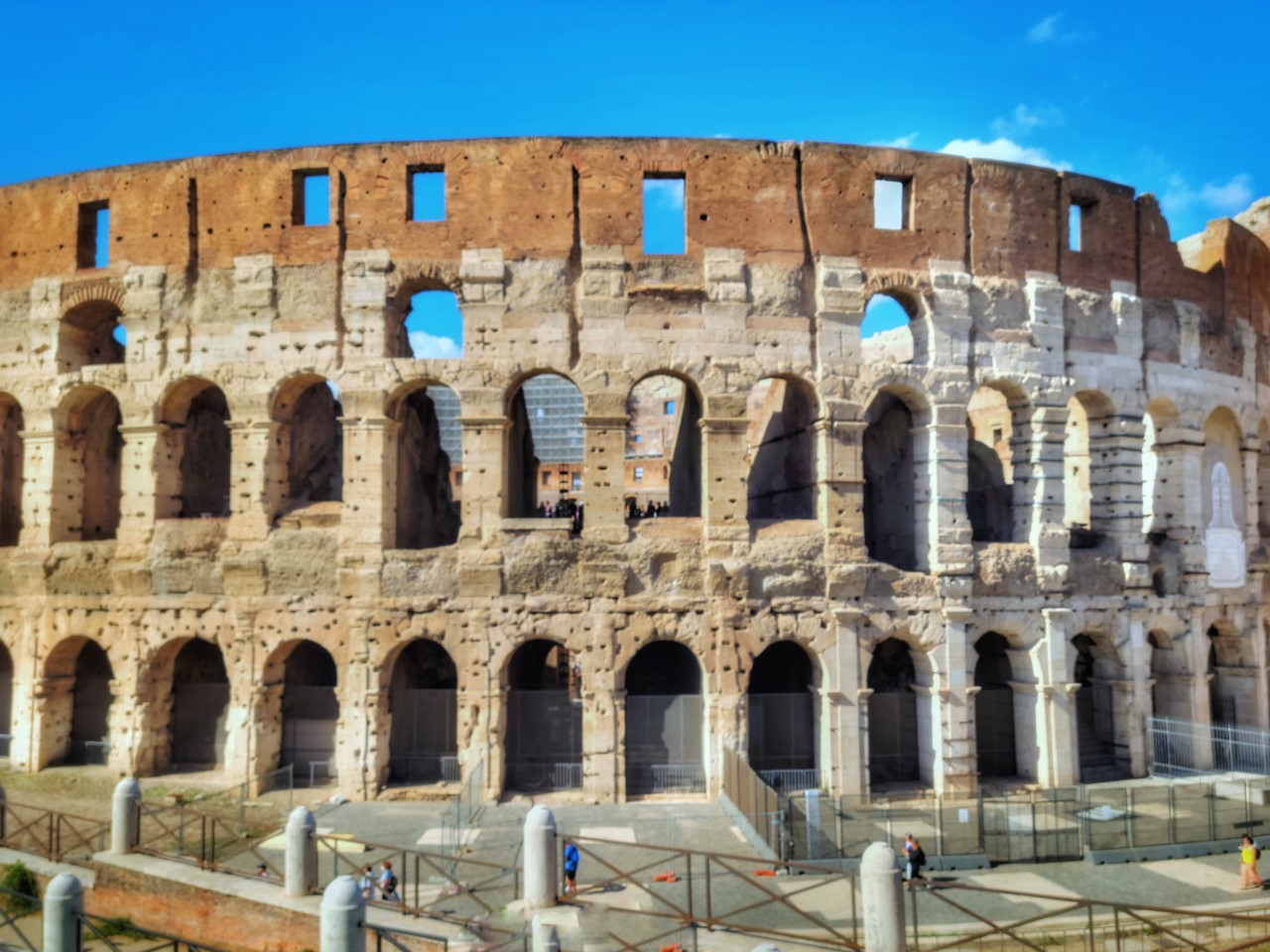
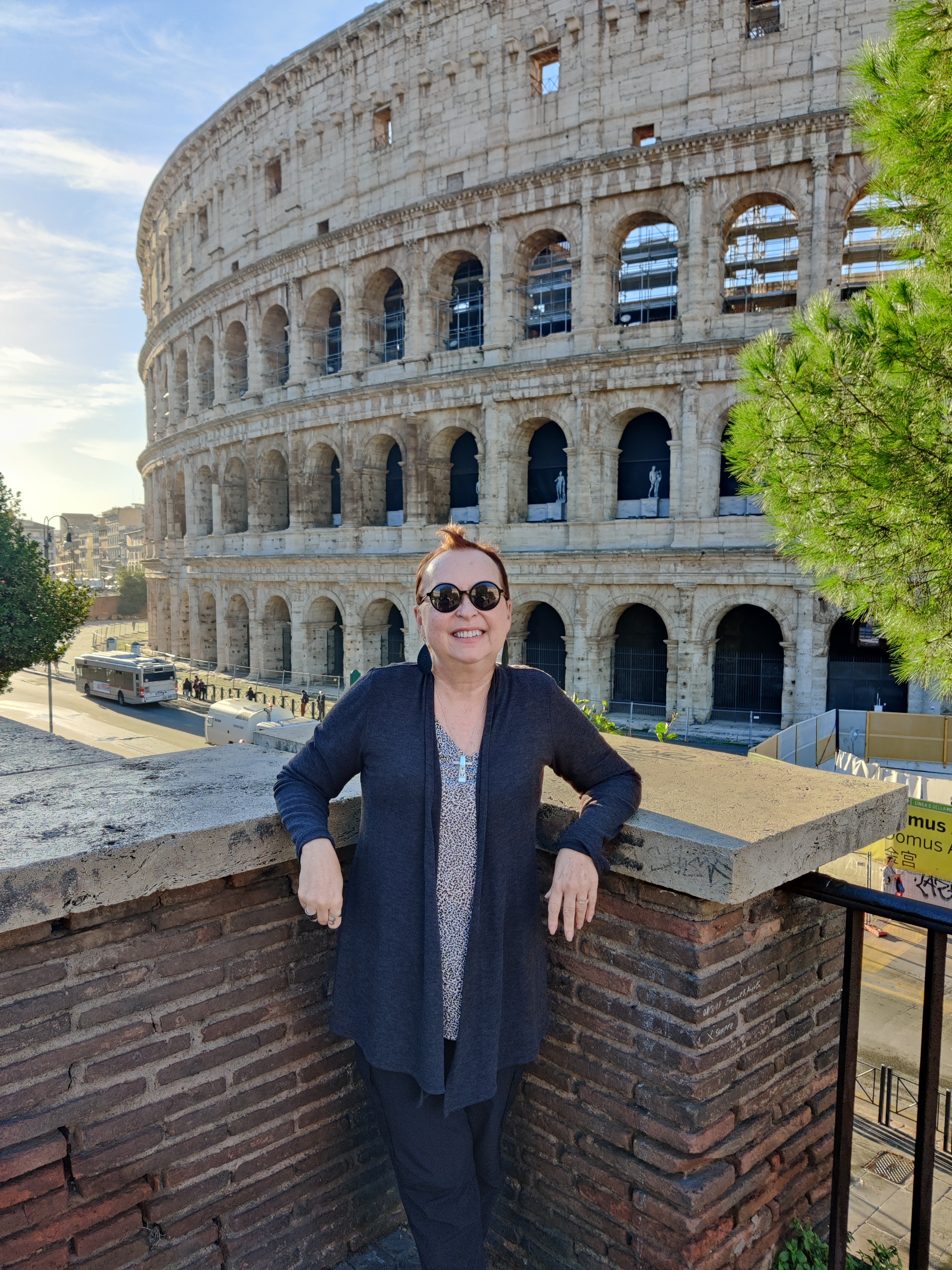
Millions visit every year to marvel at the Colosseum in Rome. While I’m glad we saw it up close and personal on our visit, I’m not going to lie-while I appreciated the amazing architecture, hearing the history of the brutality to humans and animals in this place was both interesting and disturbing.

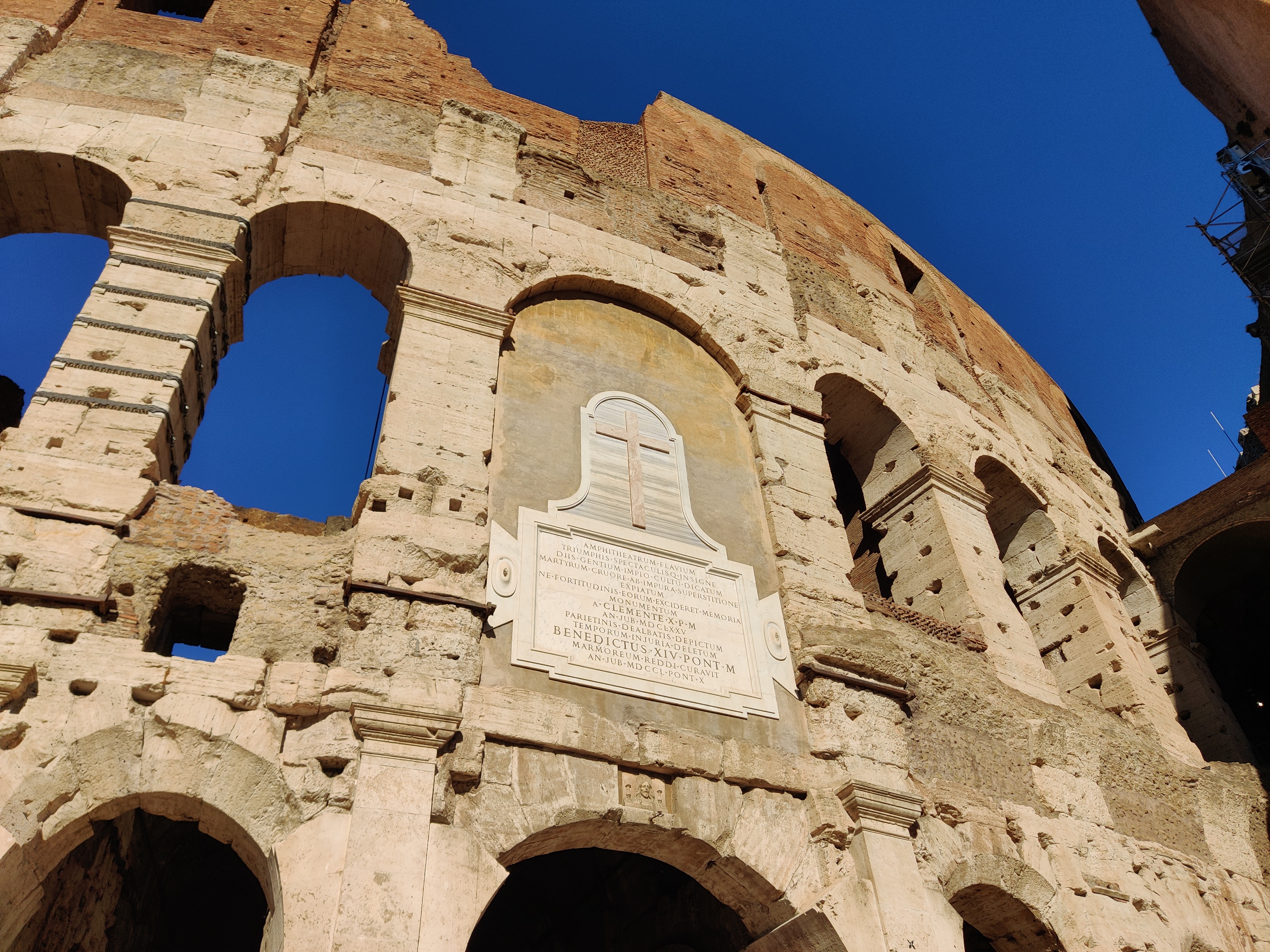
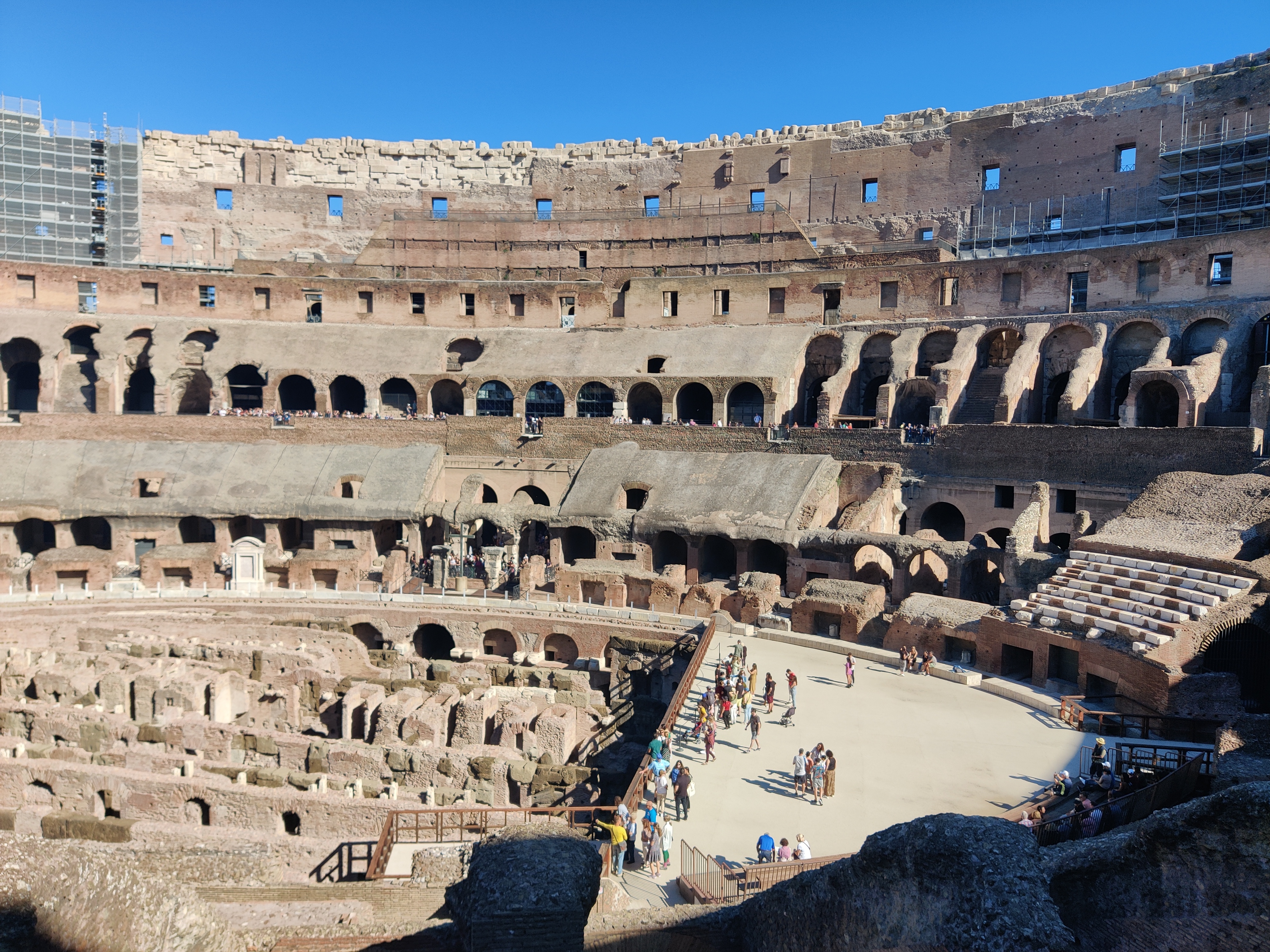
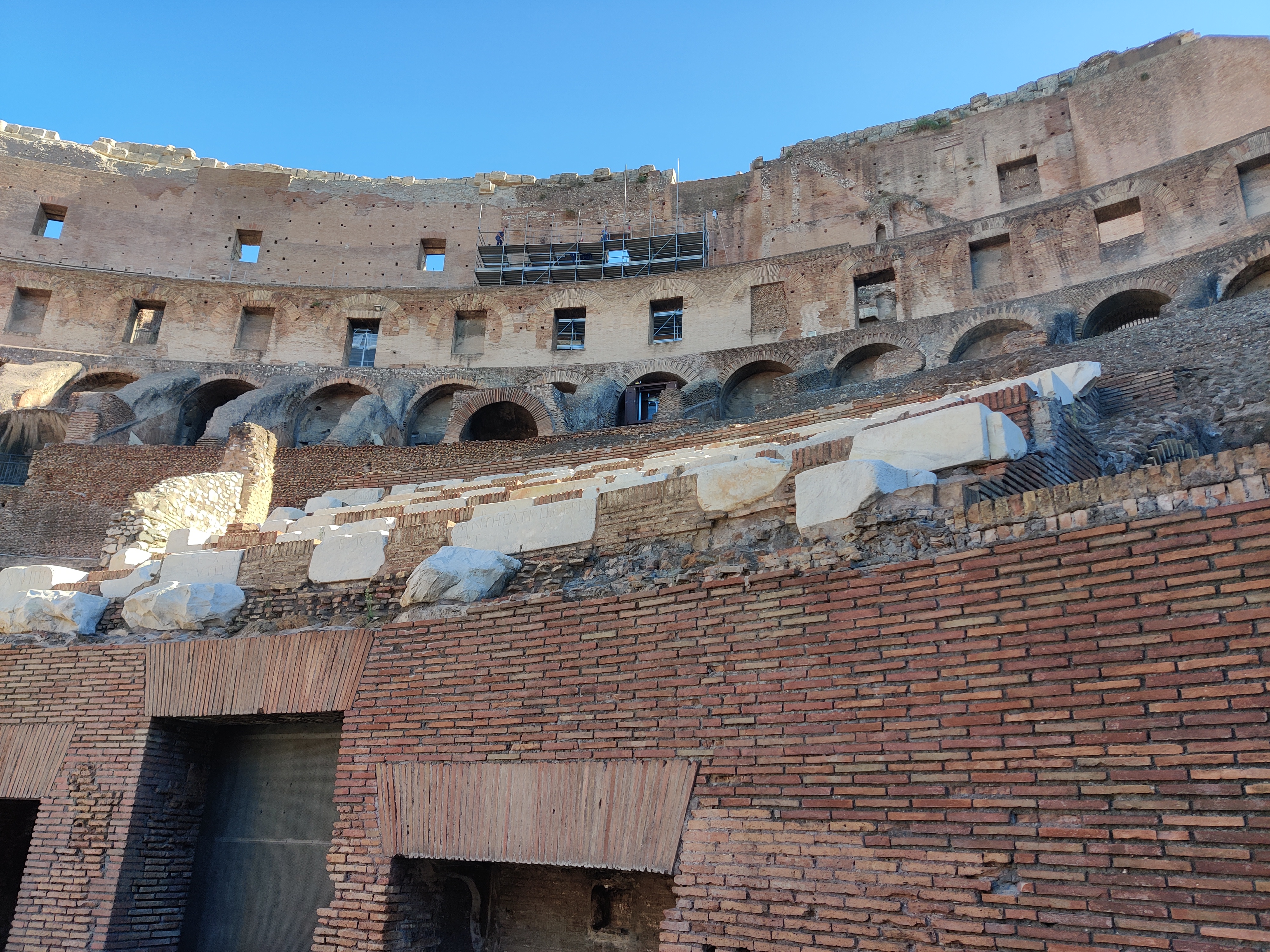
First, just the tip of the iceberg of historical facts: the Colosseum is the largest ancient amphitheater ever built and is still the largest standing building of its kind in the world. Wow! If you travel across Europe, you will see LOTS of amphitheaters but none of this magnitude. Construction began under the Roman emperor Vespasian between 70 and 72 CE and, while its still standing, renovations are constant and expensive. There was lots of scaffolding up when we were there, and our guide told us that this is the usual state with ongoing work being done.

Just like the Vatican, we felt that a guided tour was in order so that we could absorb the history, as harsh as it is, while gazing upon the ruins. Skipping the lines in front of the hordes waiting to get in and entering through the VIP entrance through the back door of the Colosseum was a tour perk too. Cool experience, great picture taking and well worth the money!

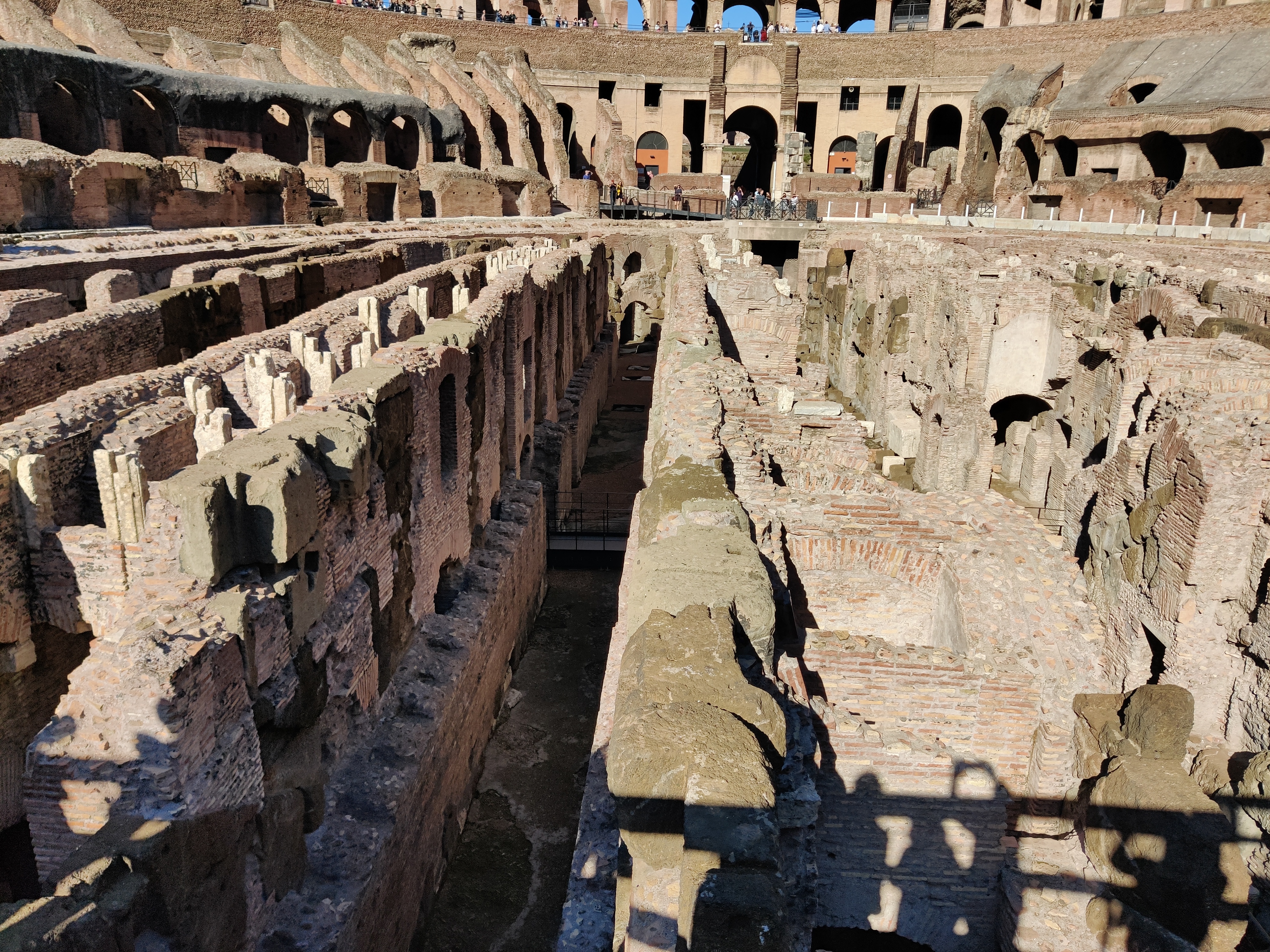
Our guide not only shared historical facts but really brought it to life with lots of great stories. Like all the ancient structures, thousands of slaves built it and who knows how many died doing it. Not surprisingly, the seating was tiered based on who/what you were-the best seats reserved for the male Roman politicians, next the wealthy Roman men and, in the cheap seats up top were women/slaves/poor folks. Animals fared no better than the slaves who built it-they were imported, fought and were killed whether they won or not. All type of animals were imported-tigers, elephants, etc.

Our tickets included not only the guided tour of the Colosseum but also entry to the Roman Forum and Palatine Hill. However, we were worn out after tramping all over the Colosseum, so we didn’t really have the energy to do these sights justice. If I had to do it over again, I would have planned all day for this experience and brought more snacks/water to rest in between seeing everything. The Roman Forum is an open-air museum that is on the same site as Palatine Hill and the Colosseum, though they have separate entrances. Palatine Hill sits above the Roman Forum and is believed to be the birthplace of Rome. The Palatine Museum features treasures from this huge excavation site. So much to see!

ENTRY TO THE COLOSSEUM:

If you don’t want to take a tour, you can go on the official website Visiting the Colosseum – The Colosseum and get single entry tickets in advance. Colosseum tickets typically include an entry to the Colosseum, the Roman Forum and Palatine Hill and these sites can be seen in any order you choose.

You DO NOT want to just show up and try to get tickets on site to get in the day of your visit. The Italian government restricts the number of visitors every day, so they sell out well in advance. While you can usually book your tickets at least a month in advance online, during non-peak seasons the demand for Colosseum admission tickets is less and you can book much further in advance. I would recommend reviewing all your options (guided tour vs. self-guided), price out the various choices as they vary widely depending on time/date/features, and then book those tickets as soon as you can. Early entry is only for those with a pre-booked guided tour, so book online before you travel in order to skip the queues and the crowd. We booked this tour Ultimate Colosseum Arena Small Group Tour. The Colosseum can close for special events, construction, weather issues, etc. so be flexible and don’t be surprised if your plans are forced to change. It’s a really, really old structure that is mainly an outside tour.

TRANSPORTATION TO/FROM COLOSSEUM:

We took the bus to and from the Colosseum but there are also Metro lines close by. We were not always successful using taxi apps in Italy and Uber service is very limited and expensive in Rome. The bus stop is right outside the Colosseum and seemed to be the transportation choice of most people. Get your ticket in advance at any metro station, news-stand (called a Tabac) or convenience store. You must remember to validate your ticket in the machine as you enter the bus, or you could be forced to pay a fine.

VISIT ESSENTIALS:

  • Water and snacks
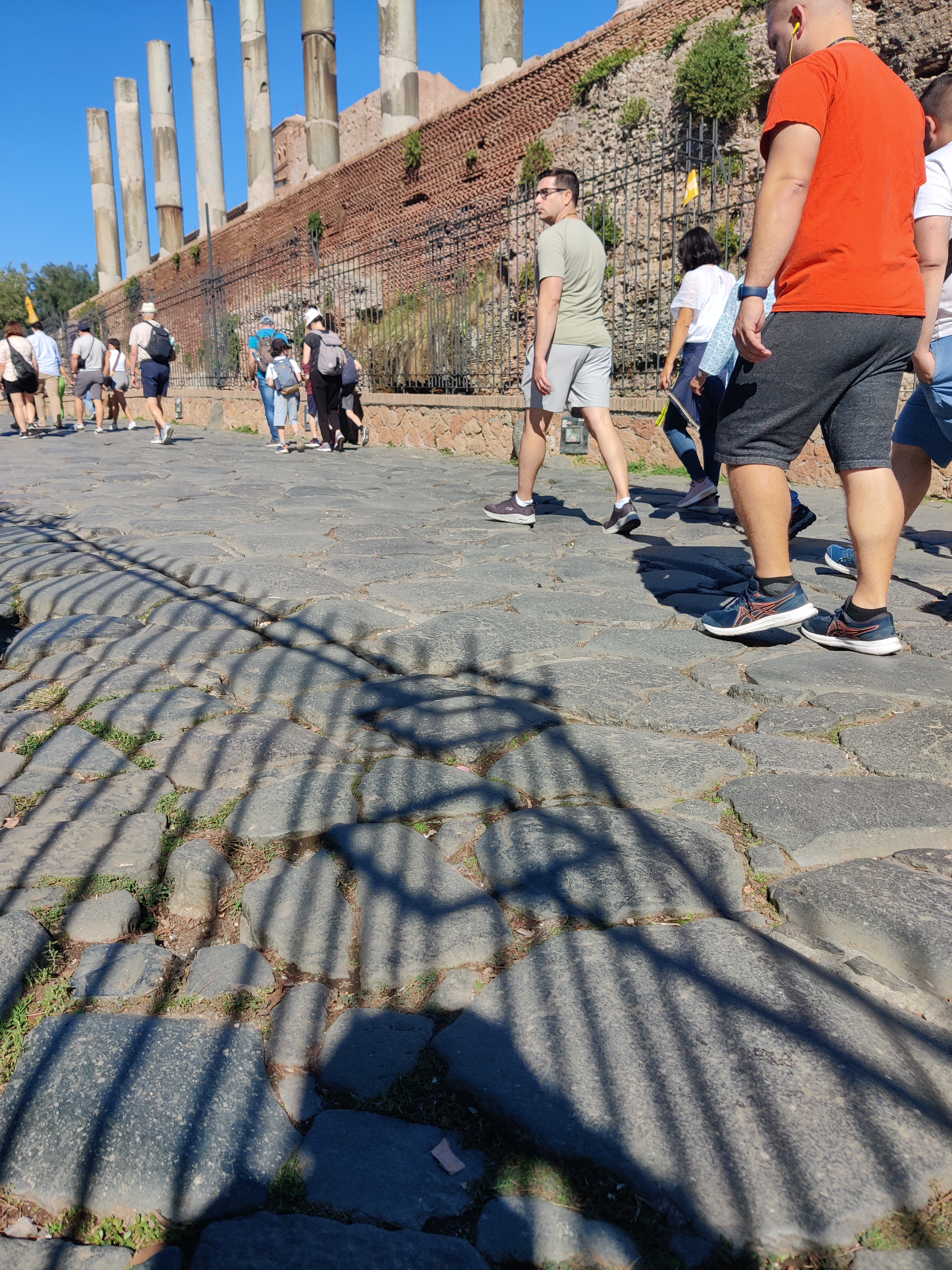
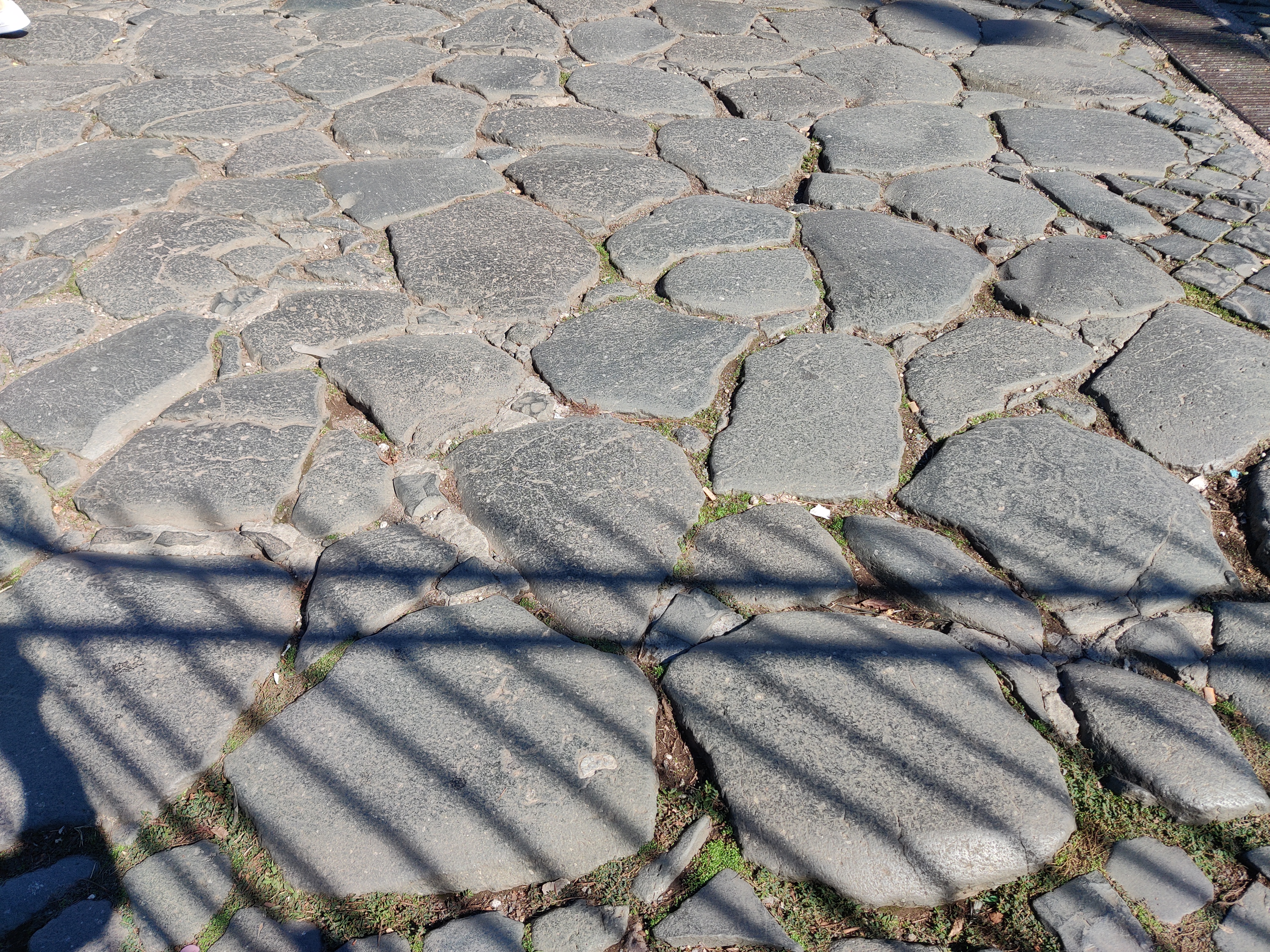
  • Comfy shoes to walk miles, climb hundreds of steps and walk over large stone pathways (see example pictured above-very uneven and hard to walk on)
  • Hat, sunscreen and/or an umbrella depending on the weather
  • Do not bring backpacks-they are not allowed through security
  • A sense of humor and lots of patience to navigate the crowds

My Italian Life in the Oltrarno – Reflections

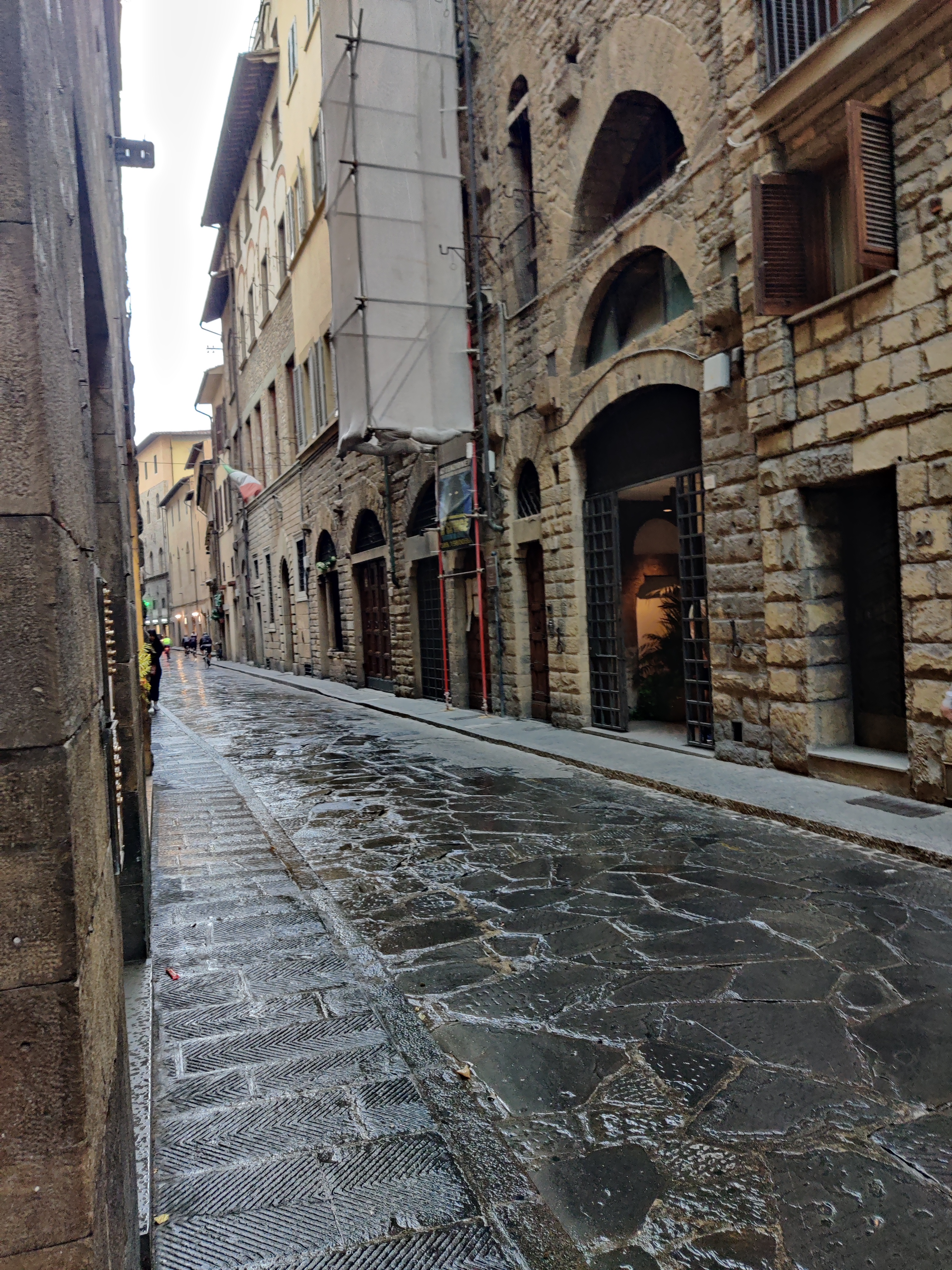
My Italian immersion consisted of living in the cool Oltrarno neighborhood in Florence this past fall for two glorious weeks. The Oltrarno is where the locals live on the other side of the Arno River opposite from the Duomo and the major tourist attractions. If you like absorbing the culture of a place you visit, I highly recommend staying in an apartment in a local neighborhood for more than a few days. It. Was. Awesome.

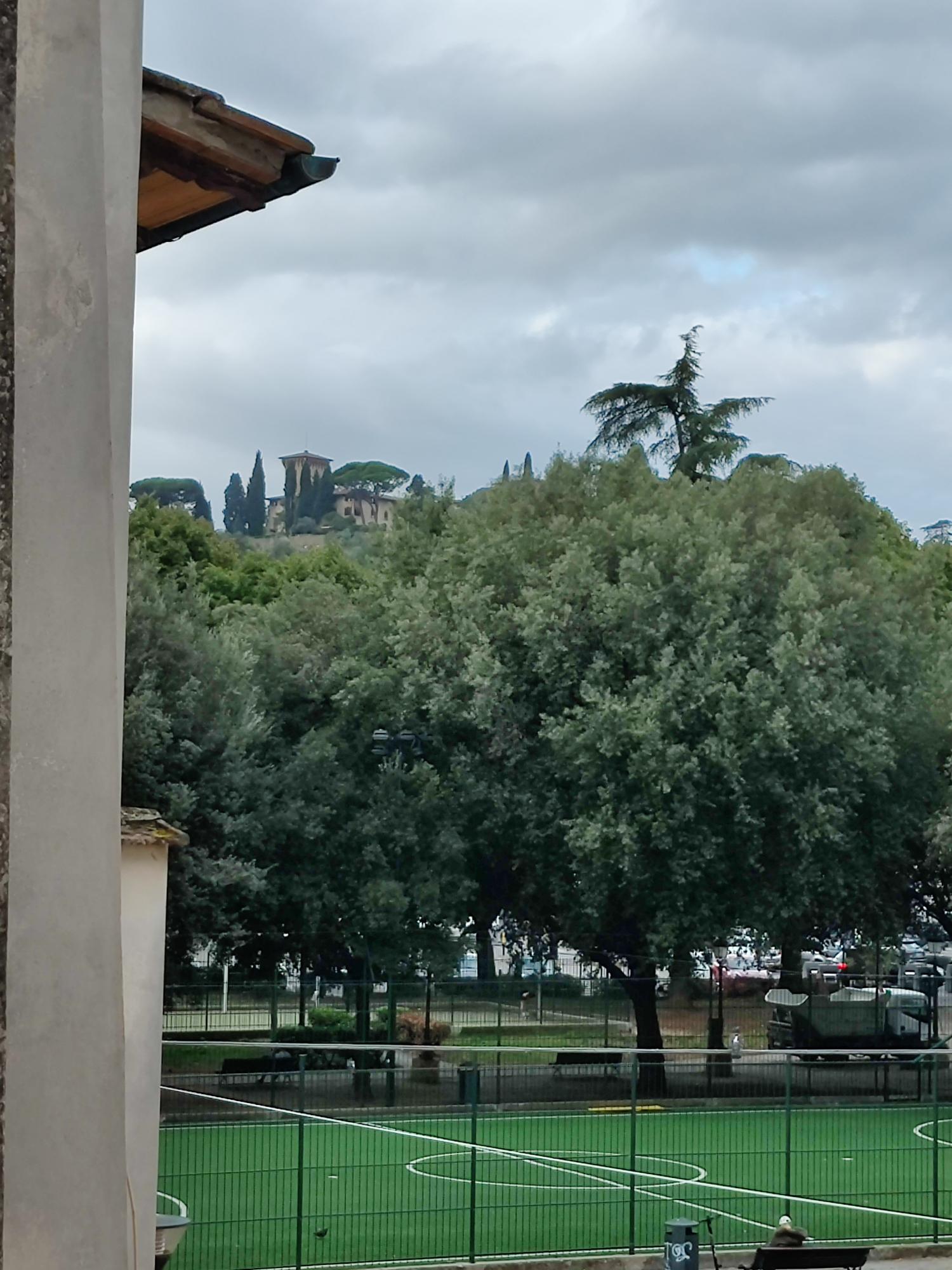
Every day I would notice how the Italian lifestyle differed from the US lifestyle I am used to living. One Sunday, with the windows wide open to enjoy the sun after a rainy morning, I sat writing and listening to the bustling street life. Families were out in force socializing in the public park nearby. There was a sports clinic for kids taking place with loudspeakers rotating groups of kids from various interactive stations to try out everything from karate to dance to basketball to wresting to soccer.  Add in the frequent church bells, loud motorbikes screaming down the cobblestone streets, the guy on the accordion serenading the neighbors and generally loud animated Italian conversations and taking that afternoon nap was not going to happen. So, when you can’t beat them, you join them at the gelato shop!

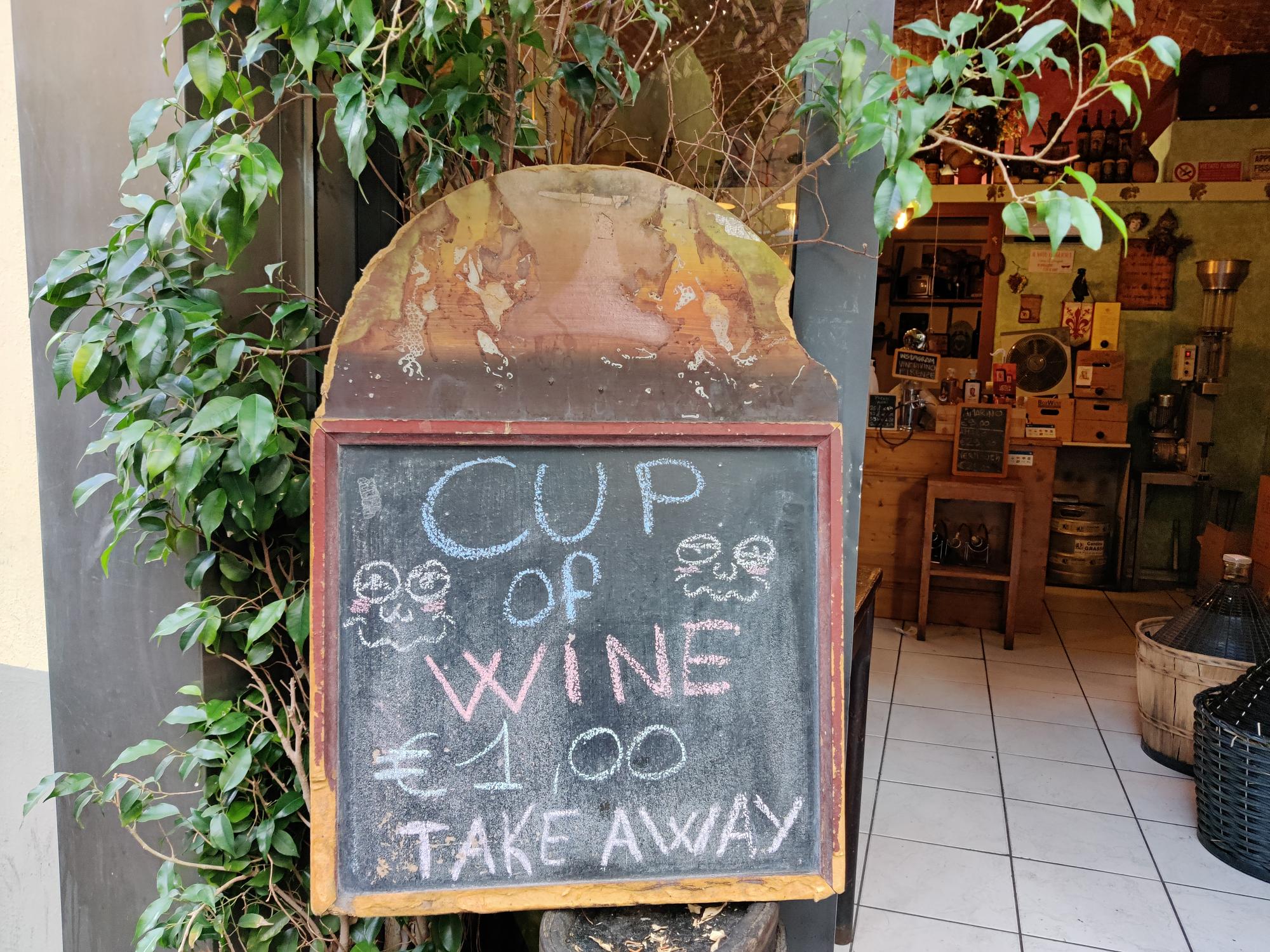
Visiting the local gelato stand was a religious experience, serving so many delightful flavors. But for us, it was salted caramel for me, and blueberry infused chocolate for Thom. Really, best gelato/ice cream I have ever had in my travels around the world. One local gentleman rode his bike to grab some gelato with his 4 (?) pooches piled into multiple baskets (see picture below). They were quite the stars with people taking pictures of the loaded bike. Beware of the many “tourist” gelato places in Italy. If the gelato is piled high on display with vibrant colors beware-it’s not authentic gelato. You want to look for the local shops where the gelato is in metal containers with lids to keep in the goodness. Trust me. Also, if you walk buy a cafe offering $1euro take away wine, go for it. There is no bad wine in Italy.

We loved to walk the park on the next block and enjoyed seeing all the kids playing and the parents chatting while the older folks sat on the benches and chatted. Unlike in American where everyone pulls into their garage and you never see your neighbors, here in Florence everyone is very social and engaged with their community. At the cafes, you see the families eating together at big tables enjoying food and conversation versus looking at their phones constantly. Imagine having focus on a person rather than an electronic device. How refreshing!

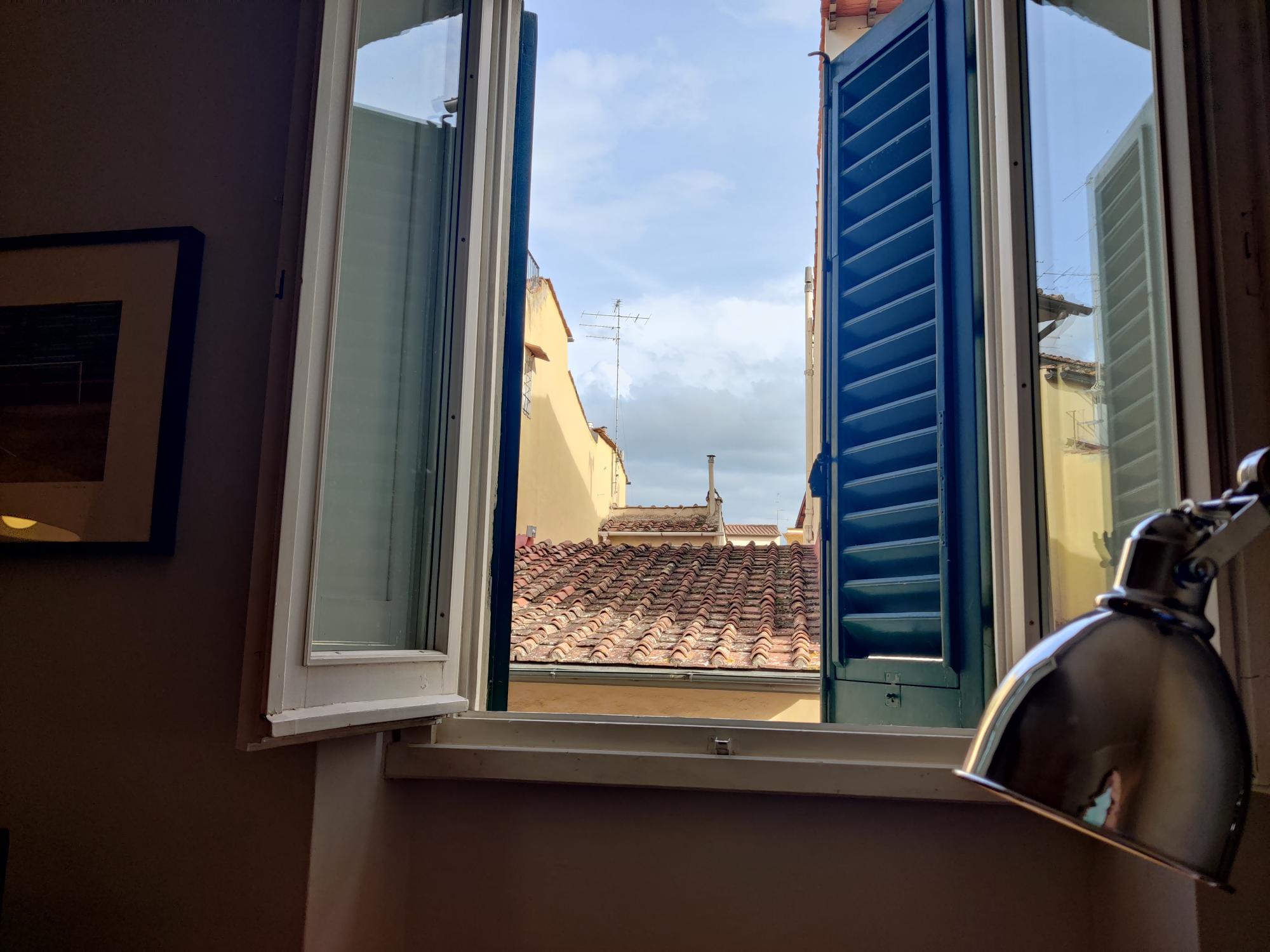
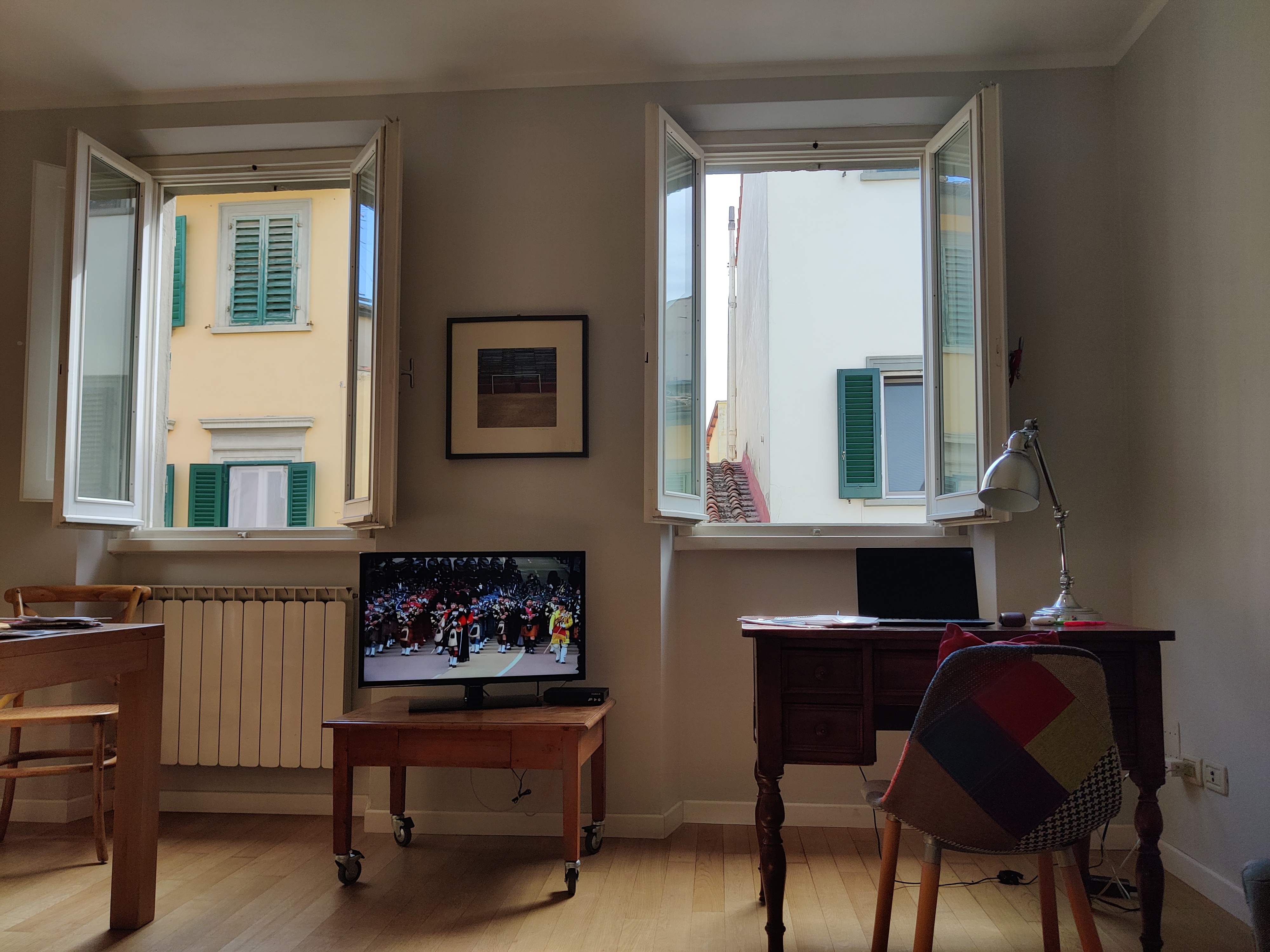
It was still hot when we were there in September. Most European apartments don’t have air conditioning but ours did, though just wall units in the bedrooms because, as my ARBNB host said, “You are American so you will probably want a/c, but we Italians just open the windows.” The a/c units ended up leaking when we tried to use them on a hot day, so we lived Italian and just opened the windows. I worked remote while were there but didn’t mind because with the shutters flung open, the view certainly beat my home office back in Idaho.

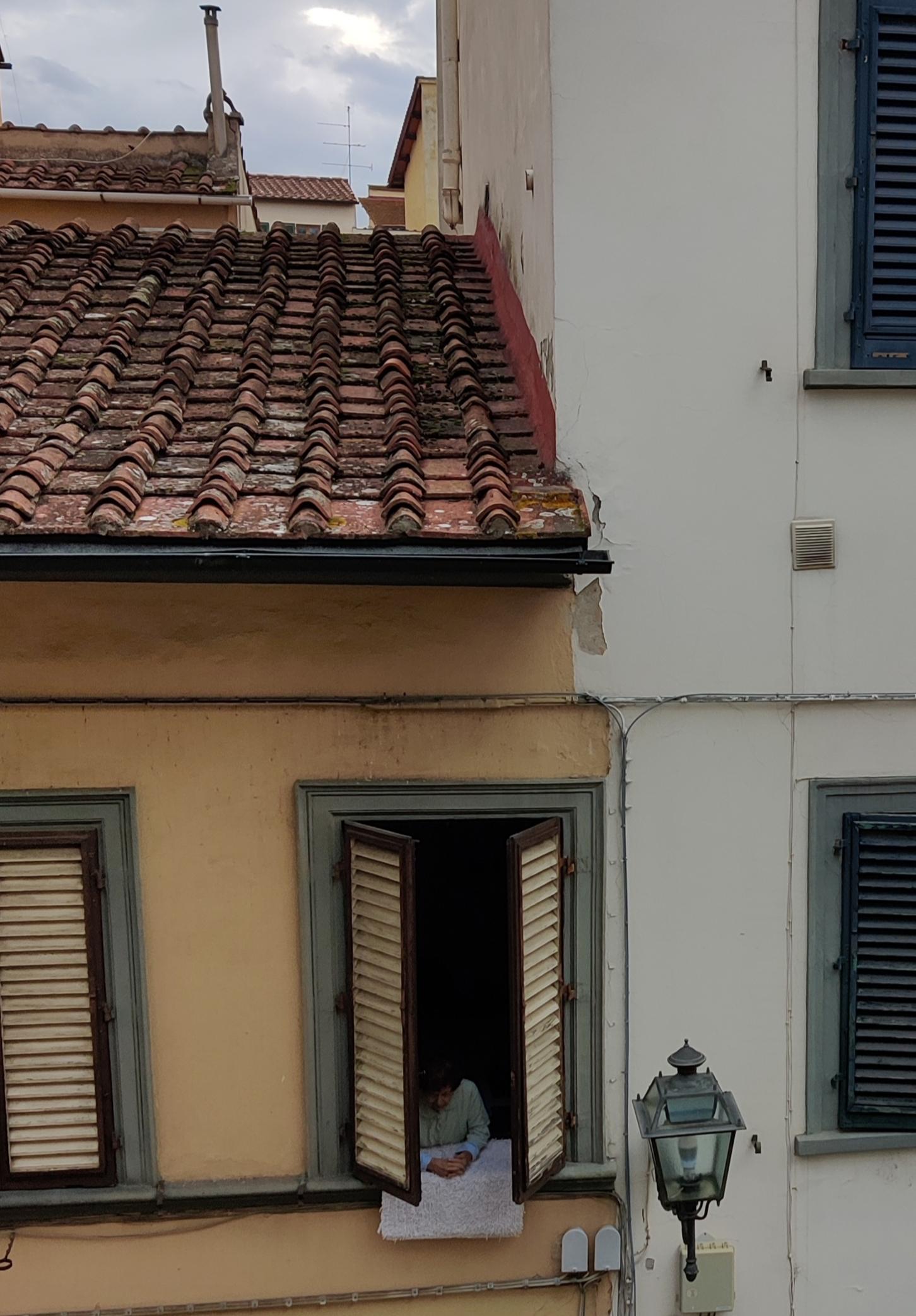
Every day the lovely lady across the street would put a rug over the windowsill and lean on it watching the neighborhood come alive. The windows were large, letting in beautiful light, but none had screens (screens on windows are very American-but I wonder about the safety with kids???). Wooden shutters are on every window you see in the local neighborhood, which you can close and still get some breeze through when there is bad weather. You can open both the glass window AND the shutter to get the breeze. We got such a strong cross breeze when we opened all the windows that doors were slamming in the apartment and floor lamps were tilting so we had to monitor window openings based on the breeze strength.

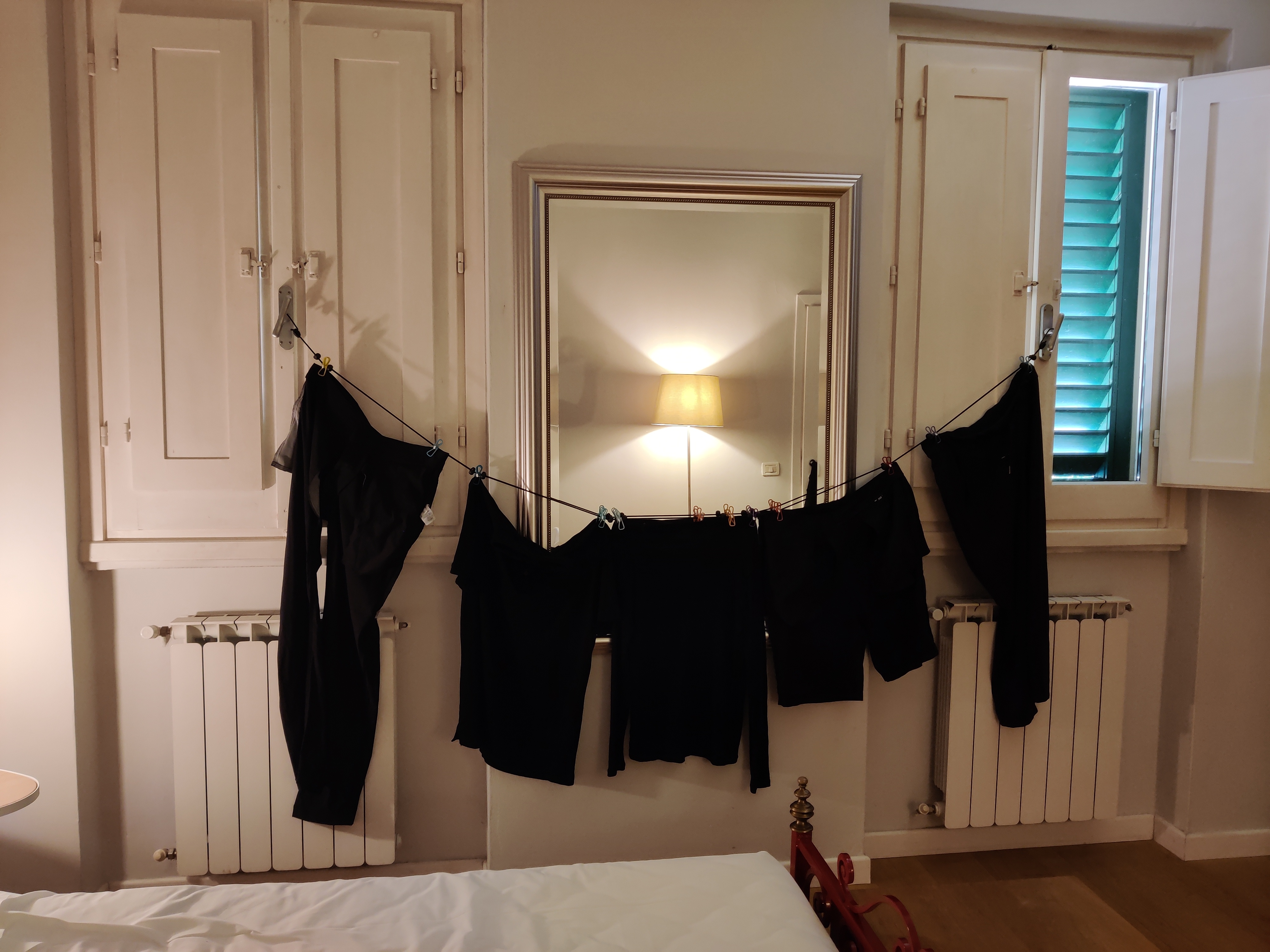
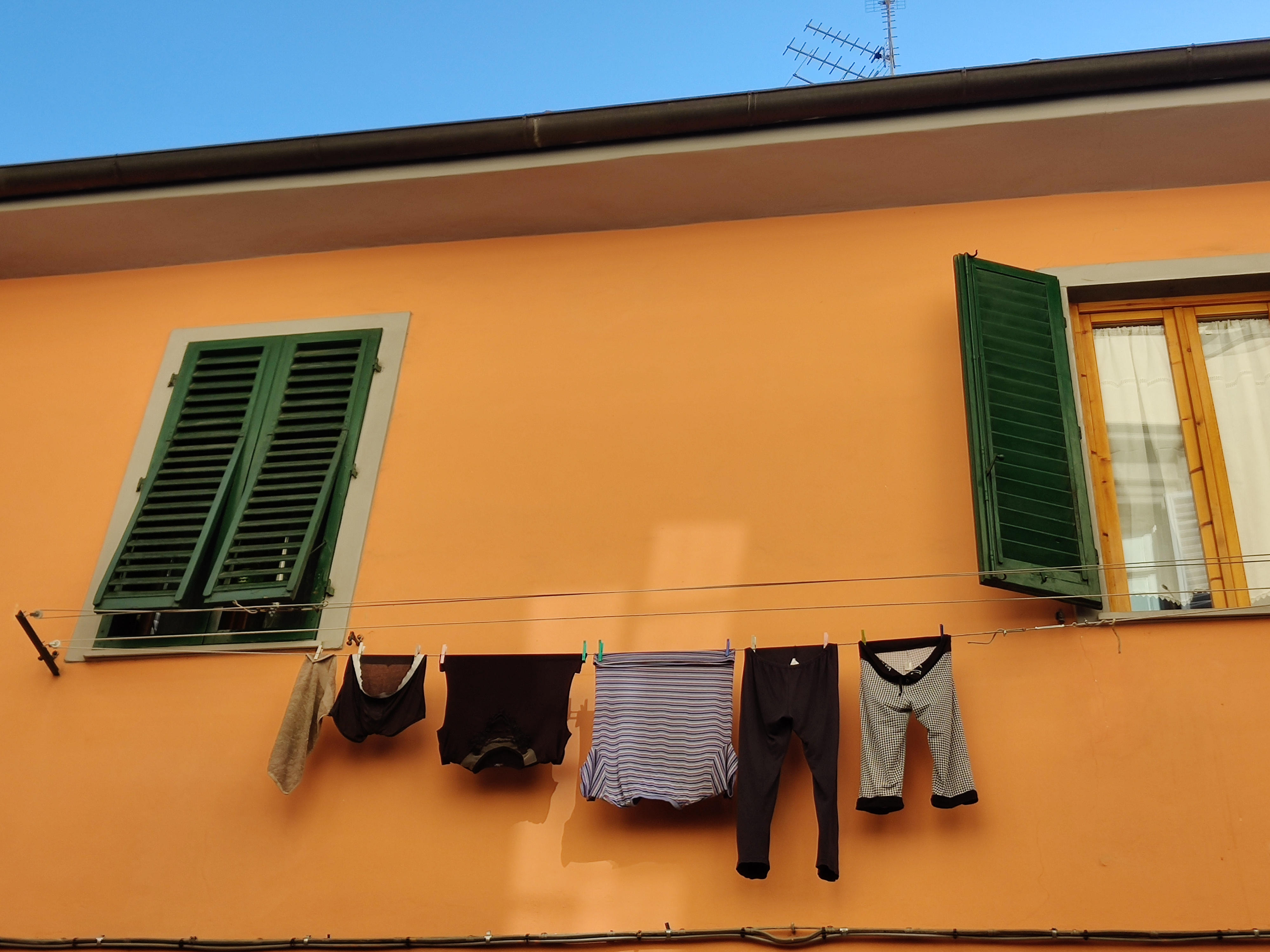
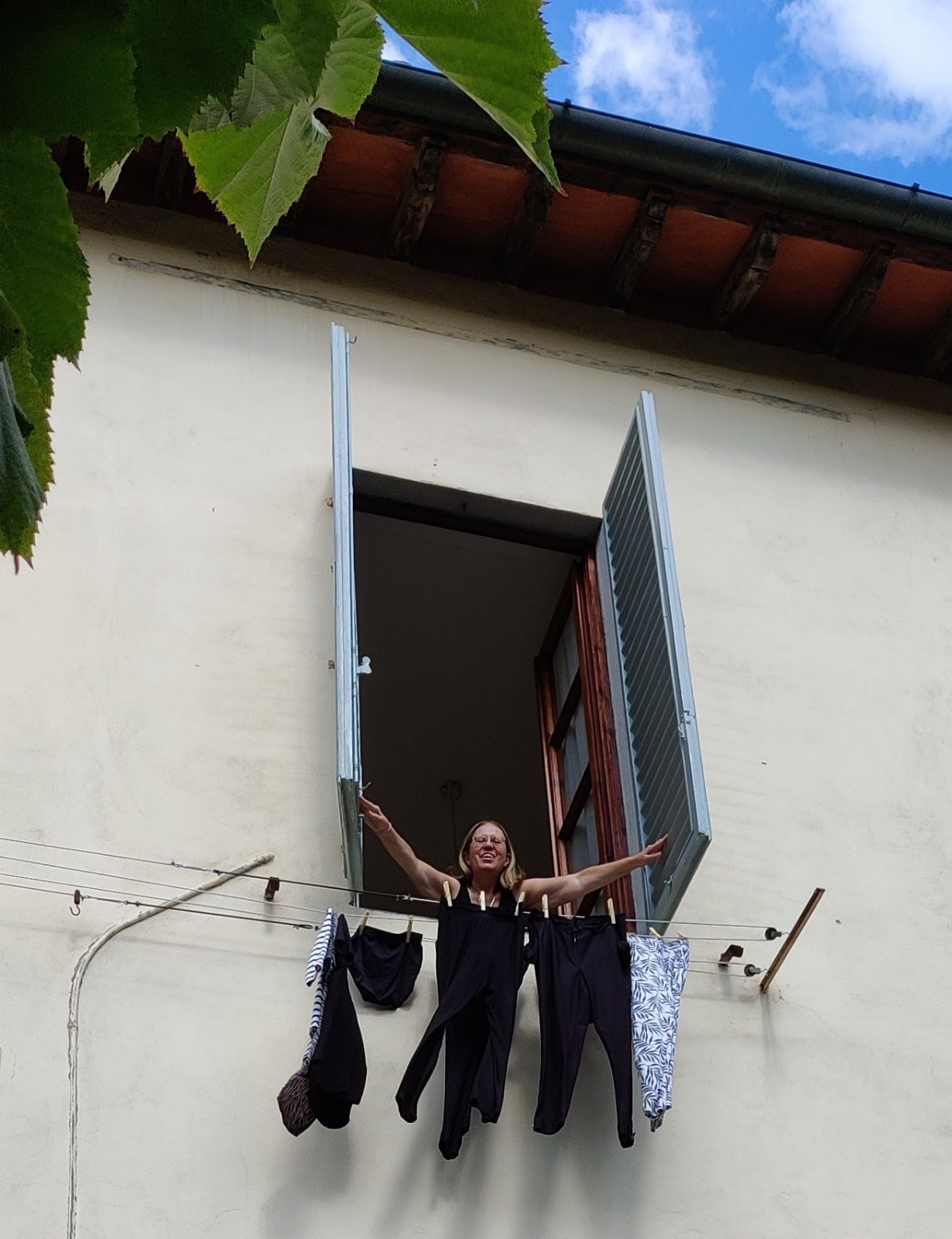
With an apartment, we were lucky to get a washer but, as in most European countries, no dryer. I packed a travel clothesline with me and strung it up between the shutters in our spare bedroom. Many apartments have clotheslines on the outside of the building. You lean out the window and pin your clothes up to dry. (see picture above of my sister when we visited Florence a year earlier) Be careful hanging up your items securely or you’ll rain panties down on a passerby. The buildings are old in Italy and the electrical systems are just as old. We were advised not to use two appliances at once or risk blowing a fuse in our apartment. For example, if we were using the toaster, we wouldn’t use the microwave. We forgot once, of course, which set off a hunt for the fuse box, which was in the lobby not in our apartment.

I often wondered how the elderly or physically challenged manage their lives here in Italy. There are rarely elevators except in modern buildings. Rarely have we ever had an elevator at an apartment or small hotel in Europe. The stairs are usually stone, steep and sloping. We are in fairly good shape but hauling our suitcases (carry-on only!) up the stairs is never fun though you do get a good workout. Bear this in mind when booking accommodations.

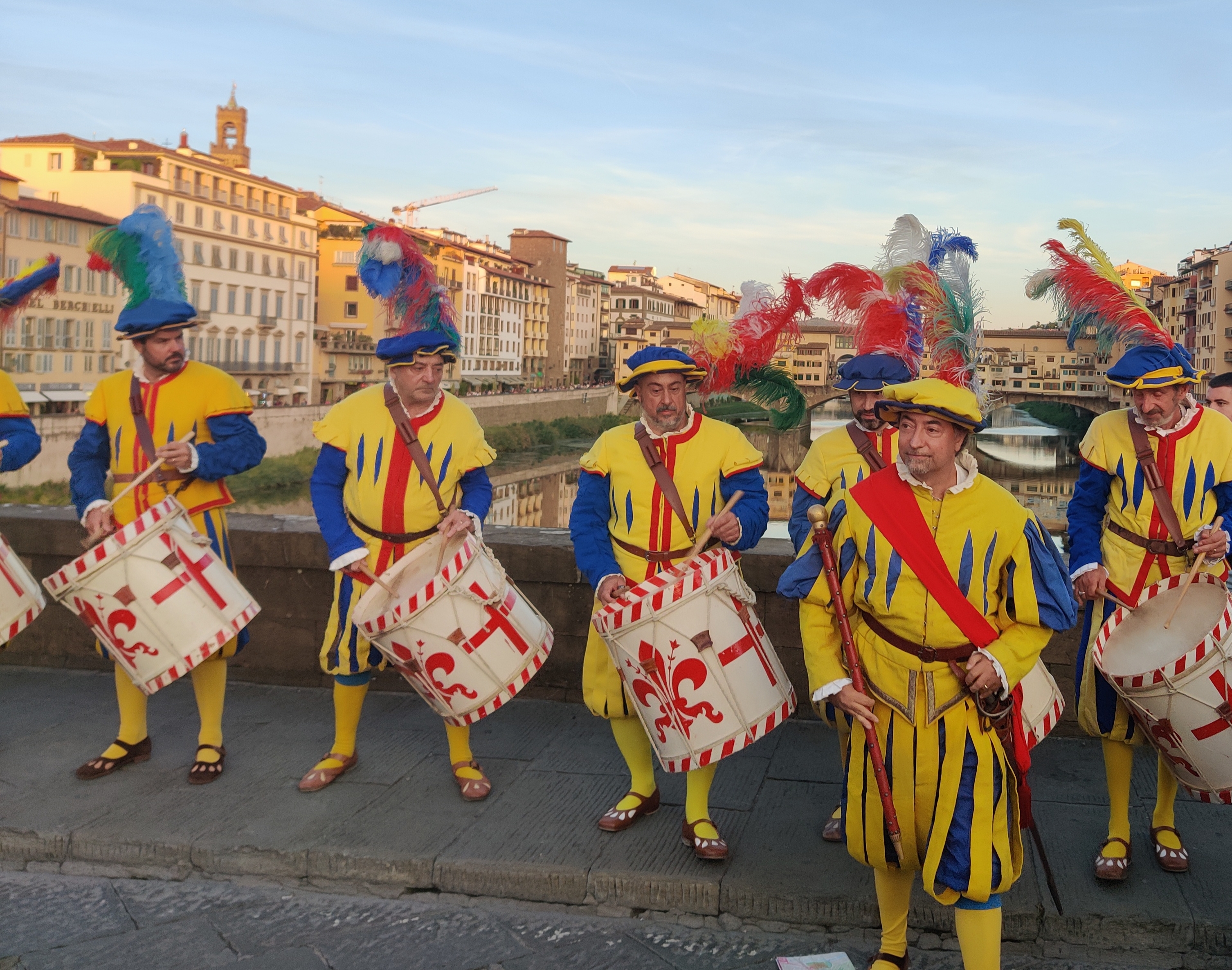
I can’t wait to go back to Florence. I plan on renting the same apartment, eating the same amazing gelato, drinking cappuccinos at the cafe and exploring the beautiful streets of Florence. One afternoon we were crossing over the Arno and happened upon a drum corps in full regalia celebrating a local holiday (see picture above). These are the type of experiences that I will always cherish when I remember our Italian life in the Oltrarno.

Jewish Ghetto and Pons Fabricius, Rome

What does a perfect evening in Rome look like? Perhaps seeing an amazing sunset from the oldest bridge in the city followed by Jewish-Roman cuisine that you will be talking about long after you go home?

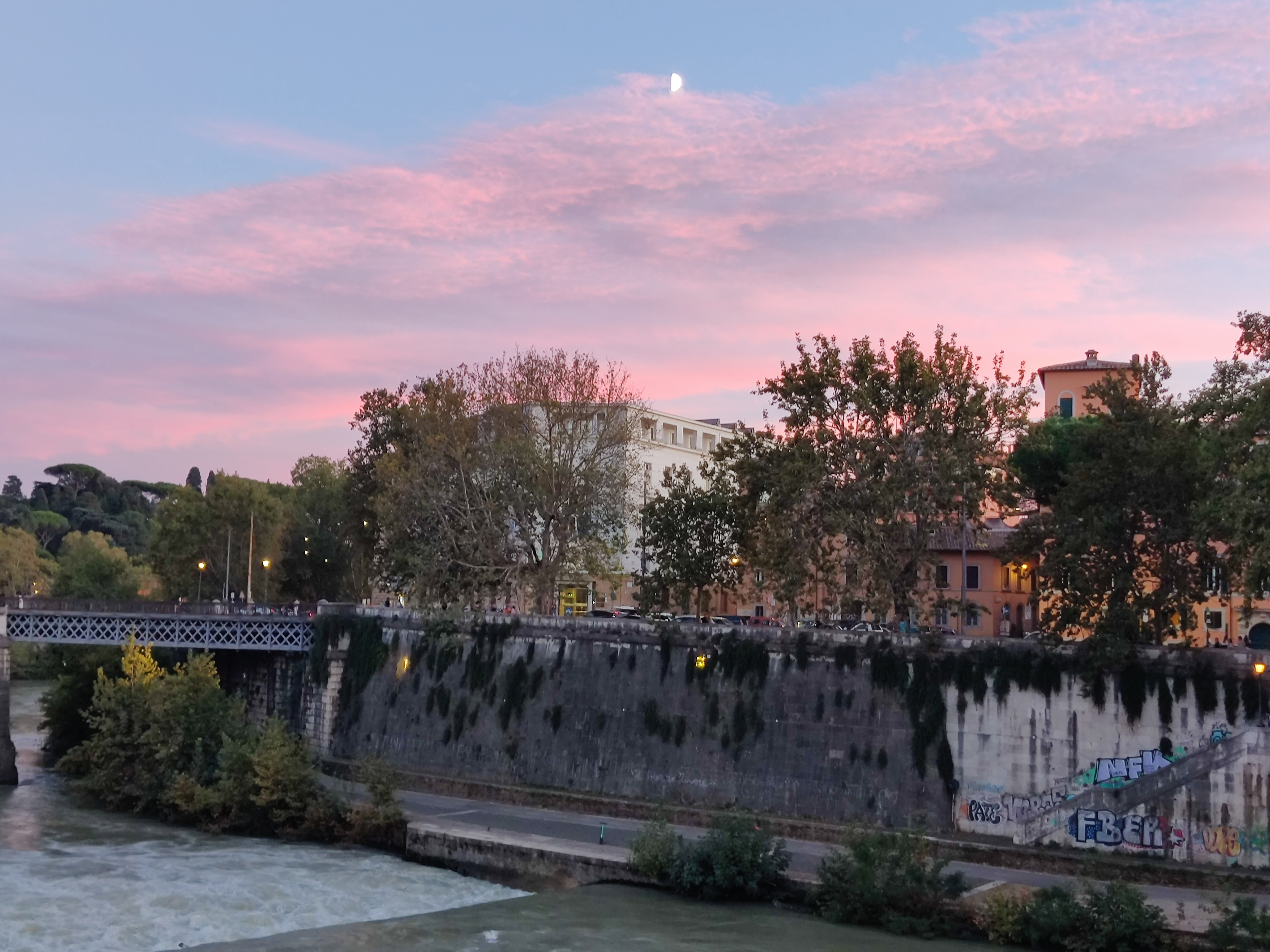
This past October, we strolled along the Tiber River (street level not down by the water) to get to Rome’s oldest bridge, Pons Fabricius aka Ponte dei Quattro Capi, arriving just before sunset. Built in 62 BCE, this bridge stands in its original location and its original state. Seriously, how is that even possible??? It stretches from the eastern side of the Tiber (the one with the Colosseum) to Tiber Island in the middle of the river, which is fun to walk around and serves as a great backdrop for photos. The Latin name “quattro capi” means “four heads” and refers to two pillars that each depict the two-faced Roman god Janus. (see picture below) Those statues weren’t on the original bridge but were moved there in the 14th century. Rome truly is one big outdoors art museum.

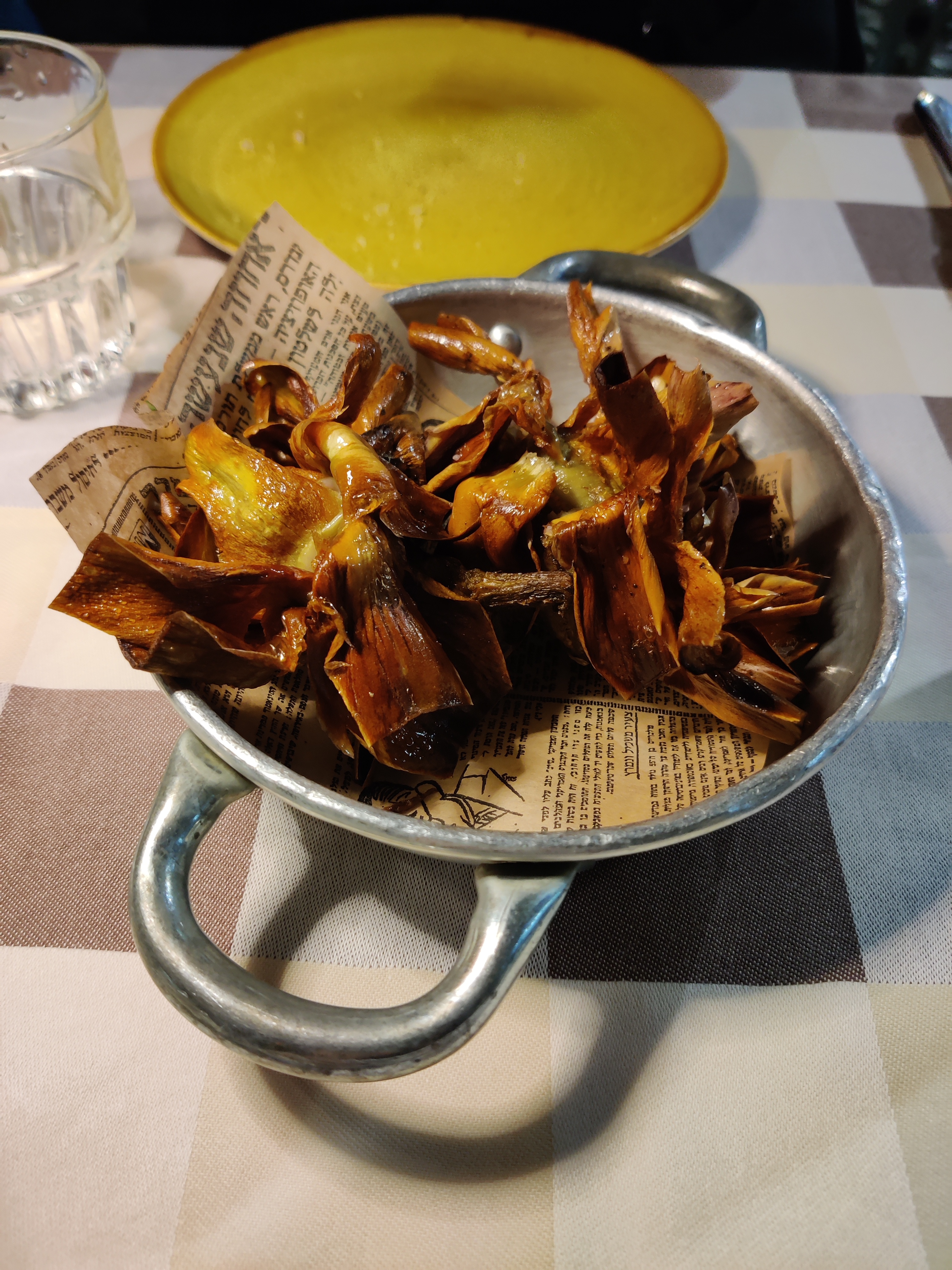
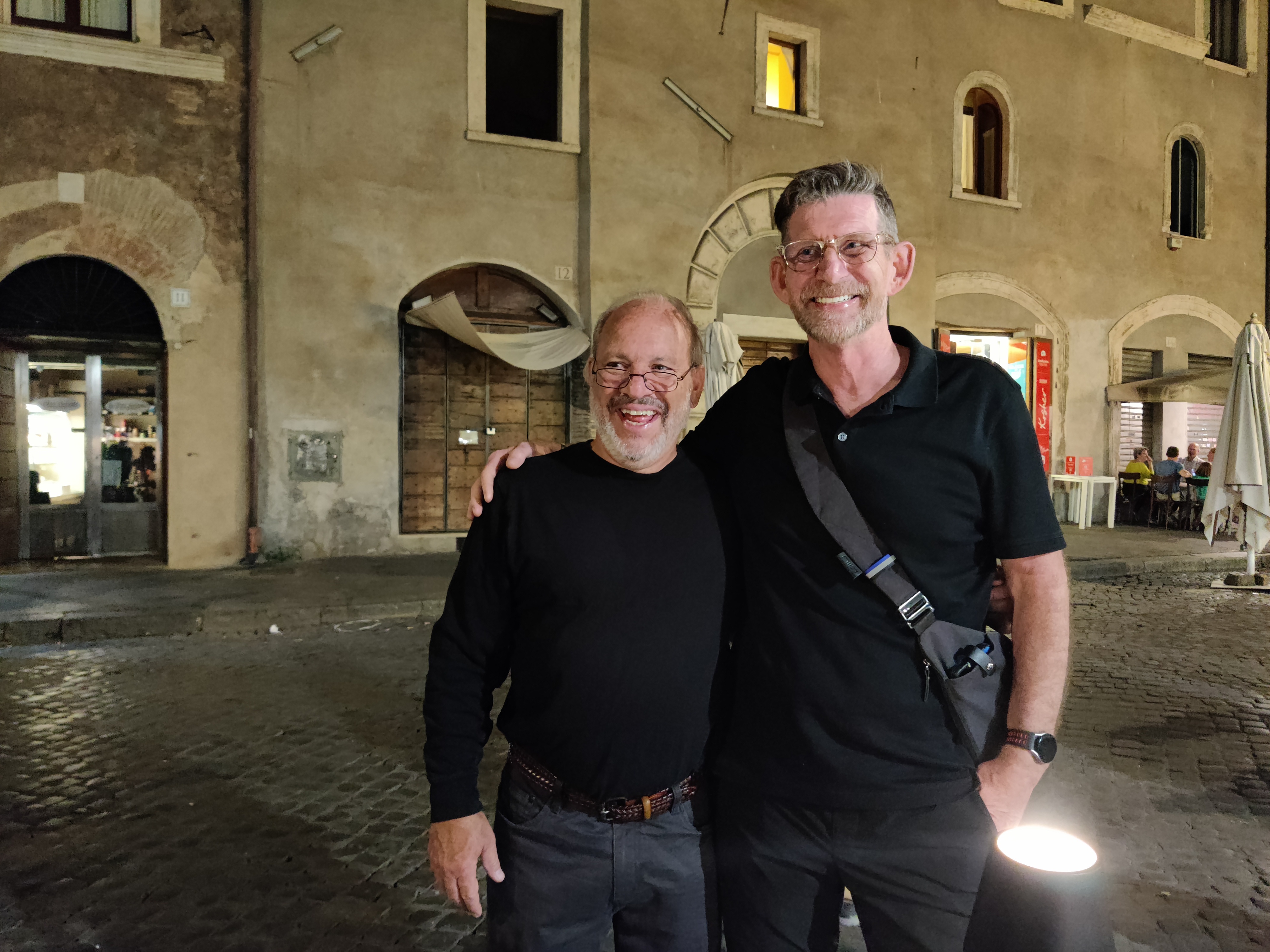
After you get tired of all the beauty of the bridge and island as the sun sets, you can take a quick walk to the Jewish Ghetto and experience amazing food. Ba Ghetto Oldest Jewish Restaurant In Rome | Kosher Cuisine Rome is where we grabbed a patio table after wandering around and seeing some of the area’s historic sites. While we were feasting on artichokes alla giudía aka fried artichokes, pasta with pine nuts, and lamb stew, we heard someone call out my husband’s name. Lo and behold a guy he went to high school with just happened to be walking by and recognized Thom. What! They had a totally unplanned and happy reunion. They hadn’t seen each other since 1974. But back to the artichokes. They were SO delicious. We are going to Milan in a few months and Ba Ghetto has a restaurant there. I’m building my Milan itinerary around getting more artichokes. Yum!

Needless to say, the Jewish Ghetto should be on every visitor’s list to experience. By the way, ghetto is a name given to a location where people were forced to live. This particular ghetto is among the oldest in the world. We didn’t have time, but I would have liked to have taken a walking tour with an experienced guide to learn more about the history of this area in Rome. Next time!

Piazza Santo Spirito, Florence

Piazza Santo Spirito is my beloved epicenter in Florence. The Oltrarno (meaning the “other” side of the Arno River opposite the Duomo) is known as the meeting place of excellence for local Florence residents. Recently, we stayed in an apartment a few blocks away so that I could experience this beautiful place on a daily basis. On the square, the merchants are selling everything you need (or just want!) from clothing to bags to hardware to fruits/veggies. The focal point of the square is the Basilica di Santo Spirito. Built in the early 1400’s, you will probably see art students with their easels from morning light to the golden hour drawing this landmark. Go inside and appreciate every nook and cranny of this preeminent example of Renaissance architecture.

The locals shop at this market that happens every day during the week on the square but, on Sundays, the market expands with even more arts, crafts and food items to buy-mostly cash only accepted. To give you an idea of pricing, I got a lightweight knit sweater for $10 euros, a vintage scarf for $5 euros, an old table runner for $2 euros-so many treasures to discover!

The cafe life is strong in Piazza Santo Spirito. We were lucky to snag a café table for our lunch on a busy Sunday. The waitress in charge was very directive in telling exactly where to sit at our four top table-she didn’t seem thrilled to have two people taking up the whole space, but we just smiled and rolled with it. The café lunch crowd was primarily locals enjoying family dinner but there were some tourists like us that they put up with. Very reasonable prices and great meals-Thom had veal meatballs on top of mashed potatoes (the Italians never serve meatballs with pasta), and I had a lovely light salad with pears, pecorino cheese, walnuts and lettuce with an aperitivo. We enjoyed watching the diverse crowd on the square out to enjoy the beautiful warm day. This is the Italian life that I miss so much when back in the US.

Hidden gem alert: Enjoy your coffee on the covered patio overlooking the square at Loggia Rooftop Bar at Hotel Palazzo Guadagni, which is also a great place for an evening cocktail. The view is awesome and it’s just a pleasant place to be. After a cappuccino or espresso and a pastry, bring your cash to the market on the square and gather food from the various vendors for dinner. I had the best figs of my life purchased from one of the market vendors-if you are in Florence during fig season (June to September), you are very lucky. When we arrived in late September, the figs were all gone. One more reason to go back to Florence soon!

Parma Day Trip from Florence

Guest writer: Thom George, my awesome husband

When Melinda and I were planning our trip to Florence, Italy, my college buddy, Sam K., told me that he would be there during the same time. He was combining a little bit of work with the wedding of his son. We discussed getting together during our time in Florence. Shortly after arriving from Paris, Sam called and asked if we’d like to take a drive with him to visit a prosciutto di parma producer in Parma, Italy. Sam works in the food industry and this supplier was one of his customers. Melinda had work to do (and is a vegetarian) so she stayed back at the apartment in the Oltrarno and I went off to Parma with Sam, his son and his friend, the New York Cheese Chick (she does private cheese tastings in Florence!)

A pleasant two and a half hour drive through the Tuscan countryside brought us to the Tanara Giancarlo SPA production facility where we were met by the owner. Before giving us a tour of the production facility, he took us to a local restaurant and treated us to a delicious lunch that started off with a board of cheeses and yes, prosciutto. The main course was a selection of handmade ravioli stuffed with ricotta, pumpkin, and bitter greens (my favorite); homemade fruit pie and espresso finished off the meal.

Upon returning to the facility, we all donned lab jackets, hair nets and shoe covers before entering the production area. The next 45 minutes was a tour, complete from the receiving and approving of the hog legs through the multiple stages of salting the meat, washing it, aging it, deboning the leg, and finally packaging and shipping the product around the world. In total, we covered 4 floors on the production facility where they process 108,000 hog legs per year.

Finding a tour: Thom went on a private tour that isn’t available to the public-it’s all about who you know! However, you can find similar experiences on Viator depending on where you are staying. These type of immersive food experiences will make for a lasting memory of your trip to Italy. Enjoy the journey!
Trevi Fountain and Spanish Steps, Rome

All Rome visitors should visit the Trevi Fountain, featured in movies, a popular backdrop for photos and truly spectacular in every way. Plus, if you throw a coin in (using the right hand over the left shoulder according to legends) you will surely return to Rome. Reason enough to visit! An estimated 3,000-euro coins are thrown in the fountain daily, raising money for Rome nonprofits to assist the needy. Don’t try to harvest euros from the fountain to pay for your vacation though because it’s against the law. See, my handy tips will save you from a visit to an Italian jail AND you will get good photos (see the one I took below with my phone!) but only if you behave!
Just a little Trevi Fountain history for you-the fountain is from the 18th-century and marks the terminal point of an ancient aqueduct. The name “Trevi” is from the Latin word Trivium meaning the intersection of three streets as it is located in the center of De ‘Crocicchi Street, Poli Street and Delle Muratte Street. Entire books are written about this iconic historical fountain so read up before you go if that’s your jam.

Spanish Steps: Walkable from the Trevi Fountain, this staircase has 135 steps between the Piazza di Spagna at the base and Piazza Trinità dei Monti and is a major tourist magnet, though I was underwhelmed. It’s a staircase (see middle photo below). Meh. However, the Trinità dei Monti church at the top is a nice background to the steps and there is a lovely fountain at the base to feature as a backdrop for picture taking. Just like the Trevi Fountain, this site has been in many movies shot in Rome. Depending on when you visit, in the spring there are flowerpots with pink azaleas and petunias on the steps which make for even better pictures. It’s all about the pictures and this is the spot! Again, go early for less crowds in your shots-we were there around 9:30 am and it was already filling up.

Visiting Trevi Fountain and Spanish Steps: Since these are outside sites, there is no entrance fee. Just show up very early in the morning to get some great pictures and soak in all the unique features of the fountain façade before the crowds show up and you can’t even get close enough to throw a coin in and guarantee your return trip to Rome. We arrived at 8:30 am and joined a few Instagram influencers who were taking their “money” shots in front of the fountain. I proceeded to also pose for Thom to take some memorable photos. It is lovely and I would highly recommend you take an early morning stroll to see it and then walk about 8 minutes to also see the Spanish Steps while you are in the neighborhood. Then, it will be time to enjoy the Rome café life with an aperitif. Cheers!

Trastevere Neighborhood in Rome

One of my favorite Rome experiences was wandering the Trastevere neighborhood. Meaning “beyond the Tiber”, Trastevere is located on the south side of the river away from the normal Rome tourist sites. While there are definitely tourists here, there are also locals eating and enjoying the social life. So be adventurous and immerse yourself in this pocket of charm, entertainment, shopping and food when you visit Rome. Take the back streets, admire the faded Renaissance buildings, towering Roman pines, and enjoy an aperitif at a café on the piazza while the music flows from street entertainers.

I had done some research on this area and found THE coolest shop, Elvis Lives. Two graphic designers create and stock Elvis Lives with kitschy merch featuring Elvis and branded items featuring the Italian term “Daje” (meaning Come On!). We bought lots of unique souvenirs to bring home, especially for an Elvis-loving friend. We also happened upon a pop-up gallery of artists selling jewelry, prints, etc. in a loft space. You just never know what you will find! My travel advice is to not over plan your itinerary and to leave time daily for walking around and absorbing the local culture.

We ended up stumbling upon a fabulous restaurant that had an open table. Nannarella: Nannarella – Locanda in Trastevere – Dal 1930 (nannarellaroma.it) has a great outside patio. The pasta was amazing, and we enjoyed the people watching while we ate. Probably best to make a reservation so you can enjoy Nannarella-we got lucky as it seemed very popular. After dinner, we walked a few miles back to the hotel enjoying the evening and happy that we got to explore the unforgettable Trastevere neighborhood.

Vatican City

The Vatican Museums that are part of Vatican City are among the most crowded in the world, sometimes having as many as 20,000 visitors in a day and recently I was one of them! Go early and don’t plan any other activities the day of your visit except aperitifs and dinner afterward. You will end your day tired and hungry but appreciative of all the beautiful art and history you have experienced. Vatican City is definitely a “must see” when in Rome.

Our early morning tour began on the street nearest the main entrance to the Vatican Museums. Our tour guide Fabi was so knowledgeable and fun. She really brought the history of the Vatican to life. I would highly suggest taking the first tour of the day even though it is an early call at 8 am to meet the group. Don’t be late or you will be left behind. Trust me, it gets crazy crowded later. While it’s busy in the morning hours with booked tours getting in early, it’s still manageable. Fabi guided us through the various museum galleries including the Room of the Candelabra, Hall of Tapestries, and Gallery of the Maps. It was nice for Fabi to offer to take pictures of us. We don’t have many pictures of us together other than selfies.

Before reaching the Sistine Chapel, you will receive a reference map you can use once inside, which is a useful resource since visitors to the chapel are expected to be silent as they observe Michelangelo’s masterpieces. Do NOT take pictures in the Sistine Chapel. And don’t use your wife (talking to you Thom!) to screen your efforts to try to take a picture without alerting the very visible security guards who are monitoring everyone’s movements.

After exiting the Sistine Chapel from a side door, we headed straight to the St. Peter’s Basilica, skipping the lines. Fabi took us to see the baroque Baldacchino, La Pieta, and other masterworks. You can go underneath the main floor of the basilica, where hundreds of Popes are buried. We finished our tour in front of the Basilica.

It’s huge-Vatican City consists of :

1) St. Peter’s Basilica – the massive cathedral

2) St. Peter’s Square – the large plaza open space in front of the Basilica. This is where the Pope will come out on Wednesdays and ride around in his Pope cart around the temporary seats that they set up. I wish we had taken the time to experience this, but we were just too tired after our Tuesday tour and our tour guide told us you had to get there very early in the morning to grab a seat. Next time!

3) Vatican Museums – a very large museum complex with many galleries hence called ” museums “. At the very furthest end of Vatican Museums is the Sistine Chapel, the interior of which represents the pinnacle of the Renaissance. The Sistine Chapel is part of Vatican Museums.

4) Vatican Gardens – the vast green park behind the Basilica which makes up the remainder of Vatican City. These green spaces covers the largest area of the city. You may be too tired to walk the gardens. We were.

Take time to check out the Vatican Post Office-Anyone can walk in and mail a post card here. It’s on the left side of St. Peter’s Square. This is also where the public bathrooms are located. Be prepared for a line.

ENTRY TO THE VATICAN:

Vatican Museums – Official Website (museivaticani.va)-if you don’t want to take a tour, you can go on the official website and get entry tickets 60 days in advance of when you want to visit.

Early entry is only for those with a pre-booked Vatican guided tour, so book online before you travel in order to skip the queues and the crowds in the Vatican Museums. We booked this tour https://www.tripadvisor.com/AttractionProductReview-g187791-d12631026-Rome_Vatican_Sistine_Chapel_and_St_Peter_s_Basilica_Early_Morning_Express_Tour-Rom.html

VATICAN DRESS CODE:

Ladies:  You MUST cover your shoulders and knees.

Men: Same as the ladies. No hats.

VISIT TIPS: Bring water and snacks! Wear comfortable shoes as you will walk miles. There are hardly any places to sit down and rest. By the end of our tour, I was tired, dehydrated and ended up squatting along a wall in St. Peter’s Basilica and the security guard asked me to move, which we did directly to the nearest place that sold water.